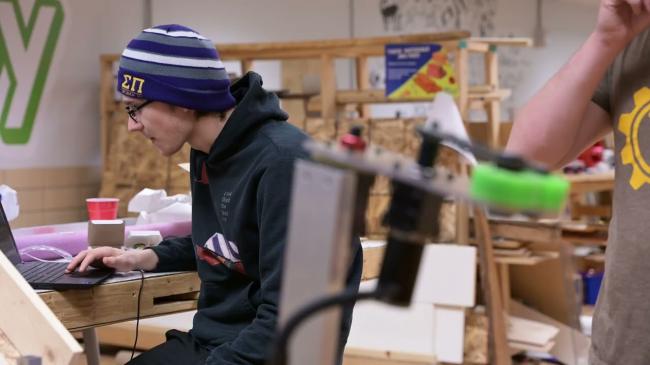
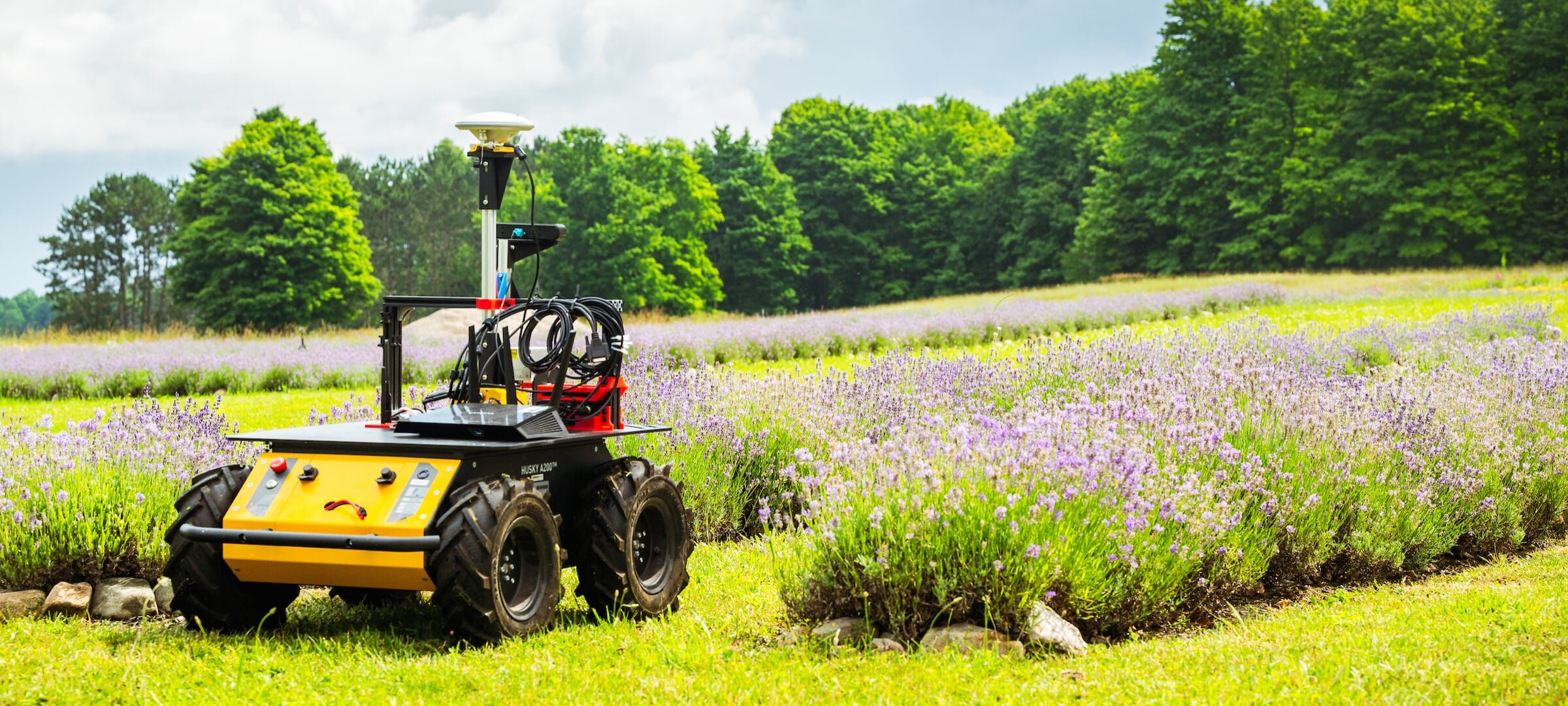
Michigan Tech is a world leader in quality STEM-based education—and with our expert faculty and academic offerings, we are uniquely positioned to develop tomorrow's advances in robotics and mechatronics.
Undergraduate Robotics Programs
Create the future of robotics at Michigan Tech. Through our undergraduate programs in robotics, you'll learn to design and maintain robots, develop new applications for them, and conduct research at an R1 institution to develop the next generation of robotic systems. This is a rapidly developing field, with technological advances opening up new possibilities every day.
Request Information
Sign up for more robotics program information from Michigan Tech. We won't fill your inbox with stuff you don't need—you'll only get information that's helpful to your college decision.
Form loading . . .
Multidisciplinary Programs
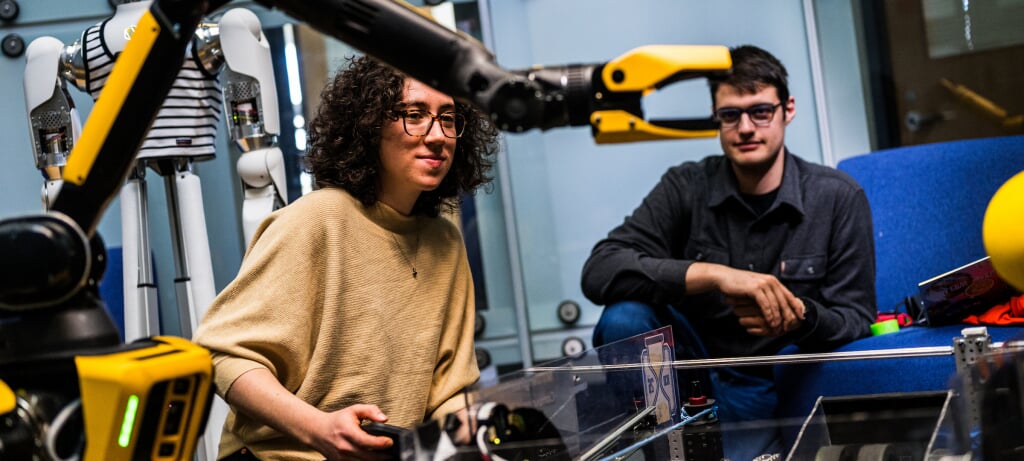
Robotics Engineering—BS
Robotic system integration. Develop the robust autonomous systems shaping our future by mastering robotics at the intersection of electrical engineering, mechanical engineering, and computing. You’ll explore operating systems, microcontrollers for cyber-physical systems, electric machinery and drives, sensing/perception, and more in a curriculum that blends technical depth with agility and social responsibility. Apply your knowledge to fields like aerospace, automotive, and advanced manufacturing.
Mechatronics—BS
Industrial control and automation. Design and implement industrial automation for manufacturing and process control. Mechatronics blends electrical and mechanical engineering technology and information technology to give you the tools to create smarter machines and processes. Gain hands-on experience with control systems, integration, maintenance, and diagnostics—becoming a go-to expert on complex robotic systems.
Robotics Minor
Enhance your major with a minor in robotics and gain the interdisciplinary skills needed to design and build intelligent systems. This minor blends mechanical, electrical, and computing concepts to prepare you for real-world collaboration and innovation in robotics. Graduate ready to contribute to cutting-edge technologies that are shaping the future across industries.
Mechanical Systems and Technology
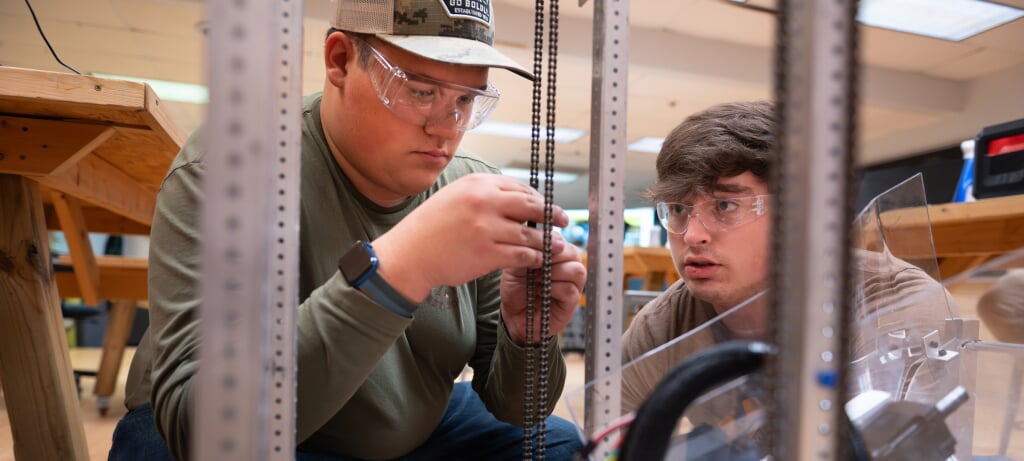
Mechanical Engineering—BS
Robotic structure, motion, and control. Engineer the physical systems that bring robots to life. Learn to apply mechanics, dynamics, controls, thermodynamics, and materials science to design robotic systems that are safe, reliable, and efficient. Use your skills to tackle global challenges in energy, healthcare, mobility, and sustainability.
Mechanical Engineering Technology—BS
Production, manufacturing, and robotics. Translate engineering concepts into real-world manufacturing solutions. Focus on the practical application of robotics in automated production environments through classes in product design, manufacturing, and CAD. Plus, learn to operate machine tools, such as lathes and mills. Gain the skills to adapt, operate, and maintain robotic systems in high-tech industrial settings.
Electrical Systems and Technology
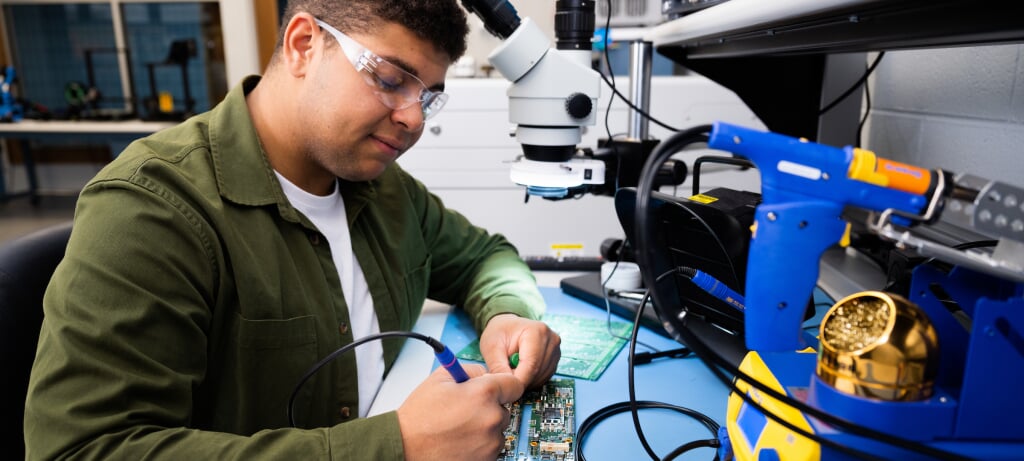
Electrical Engineering—BS
Robot sensors, actuators, and controls. Power and control robotic systems from the inside out. Learn the core principles of circuits, digital logic, and control systems, then specialize in fields like power engineering, biomedical systems, or photonics. Your knowledge will support the brains and nerves of robotic systems—from sensor input to actuator response.
Electrical Engineering Technology—BS
Data acquisition and instrumentation. Bridge the gap between concept and implementation in robotic systems. Focus on the hands-on design and maintenance of electrical systems, from sensors and control units to industrial automation. Specialize in industrial automation or computer engineering technology to bring data-driven automation to life.
Computer Systems and Information Technology
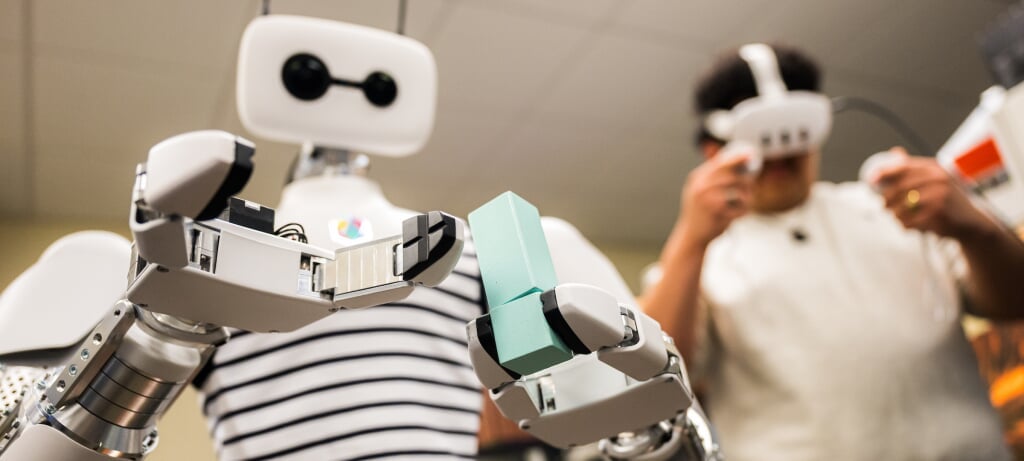
Artificial Intelligence—BS
Intelligent systems and machine learning. Design, develop, and deploy intelligent systems that learn and adapt in the real world. Build a strong foundation in machine learning, deep learning, data science, and computing while gaining hands-on experience with modern AI tools. Tailor your studies with a focus area in theory, software engineering, data centers, cybersecurity, business, or human-computer interaction.
Computer Science—BS
Programming and human-robot interaction. Develop the software that enables robots to perceive, learn, and interact. Use coding, algorithms, and artificial intelligence to power robotic behavior and interface design. Whether you’re building autonomous navigation systems or enabling robots to work collaboratively with people, your programming foundation will be key.
Computer Engineering—BS
Robotic hardware and software. Integrate hardware and software to control intelligent systems. Study everything from microprocessors and embedded systems to machine learning and real-time operating systems. Write the code, design the circuits, and build complete robotic platforms that respond to their environments while taking a wide range of courses in both computer science and electrical engineering.
Information Technology—BS
Secure communication and data infrastructure. Ensure the integrity and security of the networks and systems that support robotics. Specialize in cybersecurity, IT management, or network engineering as you learn to build, protect, and manage the infrastructure that allows robots to communicate, update, and operate reliably in connected environments.
Artificial Intelligence Minor
Add AI expertise to any major. Learn the technical foundations of artificial intelligence while exploring its ethical and societal impacts. With a minor in artificial intelligence, gain experience with machine learning, data-driven problem solving, and AI applications across industries like healthcare, finance, manufacturing, and beyond.
Human-Centered Systems and Technology
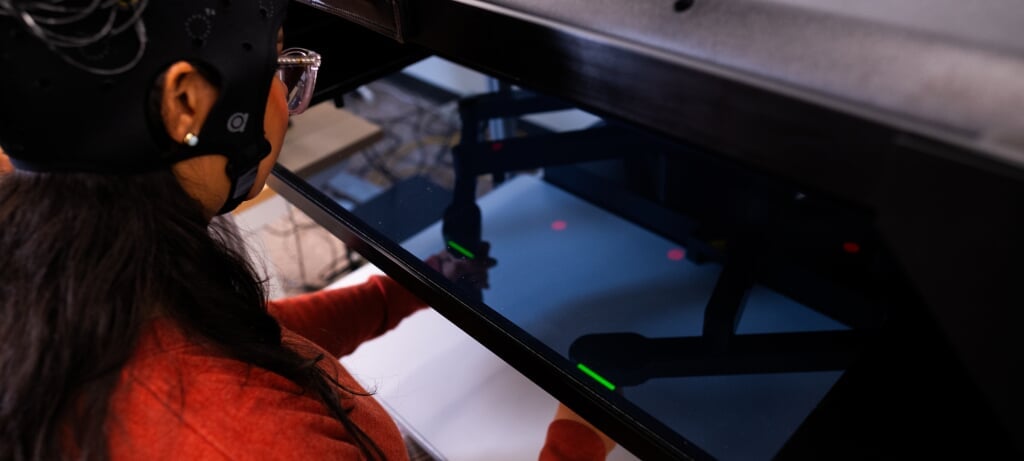
Human Factors—BS
Psychology and human-robot interaction. Study the psychology of human behavior and apply it to create technology that works with people, not against them. Learn how humans think, feel, and act—then use that knowledge to evaluate and design interfaces, controls, and collaborative robotic systems. Explore human–robot teaming, system usability, and task allocation to ensure technology enhances safety, performance, and user experience.
Theatre and Entertainment Technology—BS
Performance and automation. Bring engineering and creativity together to build shows and attractions that move, react, and captivate. Work with production automation, interactive controls, show systems, sensors, animatronics, and media technologies to create immersive live experiences. Learn how technology—including robotics—shapes storytelling in theme parks, theatre, concerts, and beyond.
Sound Design—BA
Automation and creative audio. Explore how sound, sensors, and control systems interact to make experiences come alive. Integrate audio engineering with animation, interactivity, and automation—working with technologies such as live analysis tools, triggered effects, robotic motion cues, and synchronized show systems. Develop the technical and artistic skills to design sound for environments where technology and performance are tightly linked.
Scientific and Technical Communication—BA, BS
Effective robotics communication. Bridge the gap between complex robotic systems and the professionals who operate and depend on them. Learn to communicate sophisticated engineering concepts clearly, ethically, and effectively. Through collaboration with STEM peers, multimedia projects, and technical writing coursework, you‘ll help make robotics accessible, understandable, and user-focused.
Communication, Culture, and Media—BA
Robots in culture and society. Analyze the cultural, ethical, and social impacts of emerging technologies, including robotics and artificial intelligence. Examine how people interact with media and machines, study the societal implications of AI and automation, and develop critical perspectives essential for guiding responsible innovation. Strengthen your insights through research, communication projects, and interdisciplinary collaboration.
Human-Centered Design Minor
Learn to solve problems through a human-centered lens. The interdisciplinary human-centered design minor combines design thinking, user research, and community-centered approaches to help you create innovative, ethical, and sustainable solutions. Graduate ready to improve products, services, and experiences for the people who use them.
Undecided Programs
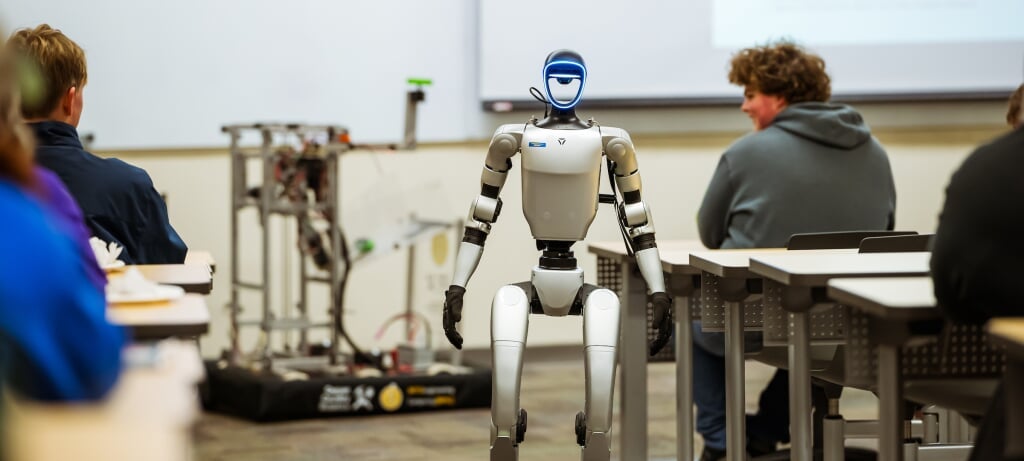
You don't have to decide on a major to start building your robotics career path. Our undecided programs give you up to three semesters to explore different majors with the help of a dedicated advisor—without delaying graduation or wasting credits.