
What does it take to make drinking water safe, keep polluted runoff out of rivers, or clean up a contaminated site? In Michigan Tech’s MS in Environmental Engineering, you’ll study how human activities affect air, water, and land. You’ll use engineering analysis and design to research how human systems affect the natural environment and develop responsible, sustainable solutions that reduce pollution and protect public health and ecosystems.
The Accelerated Master's Program is available for current Michigan Tech students.
Who Is This Program For?
If you want to use engineering approaches to protect water, land, and environmental quality, this degree may fit your interests. You may want to investigate treatment or control of environmental contaminants; analyze the design and performance of environmental systems; or connect engineering methods with water, waste, health, or ecosystem questions.
What You'll Study
Develop advanced understanding of the processes that affect environmental quality and the engineered systems used to manage them. Investigate subjects related to water and wastewater, contaminants, environmental monitoring, waste, and sustainable design. You’ll combine scientific understanding with engineering analysis as you examine how protective systems are designed, assessed, and improved.
Where You'll Apply Your Knowledge and Skills
You can apply advanced environmental engineering knowledge to assessing a treatment process, examining contaminants, evaluating monitoring results, or considering how an environmental system should be improved. Environmental engineers work in water utilities, engineering consultancies, and public environmental agencies. EGLE and the EPA, for instance, employ environmental engineers and specialists whereas the U.S. Army Corps of Engineers employs water-resource experts.
-
Delivery Options
- Accelerated: MS
- On-Campus: MS
Environmental Engineering Program Details
Choose a specific degree option or delivery type to learn more about the environmental engineering program at Michigan Tech. For international students, Environmental Engineering is a designated STEM program.
On-Campus Programs
Additional Program Information
Want to learn more about environmental engineering at Michigan Tech? Visit the department for more information:

Kiran Udayakumar, Environmental Engineering Master's Graduate
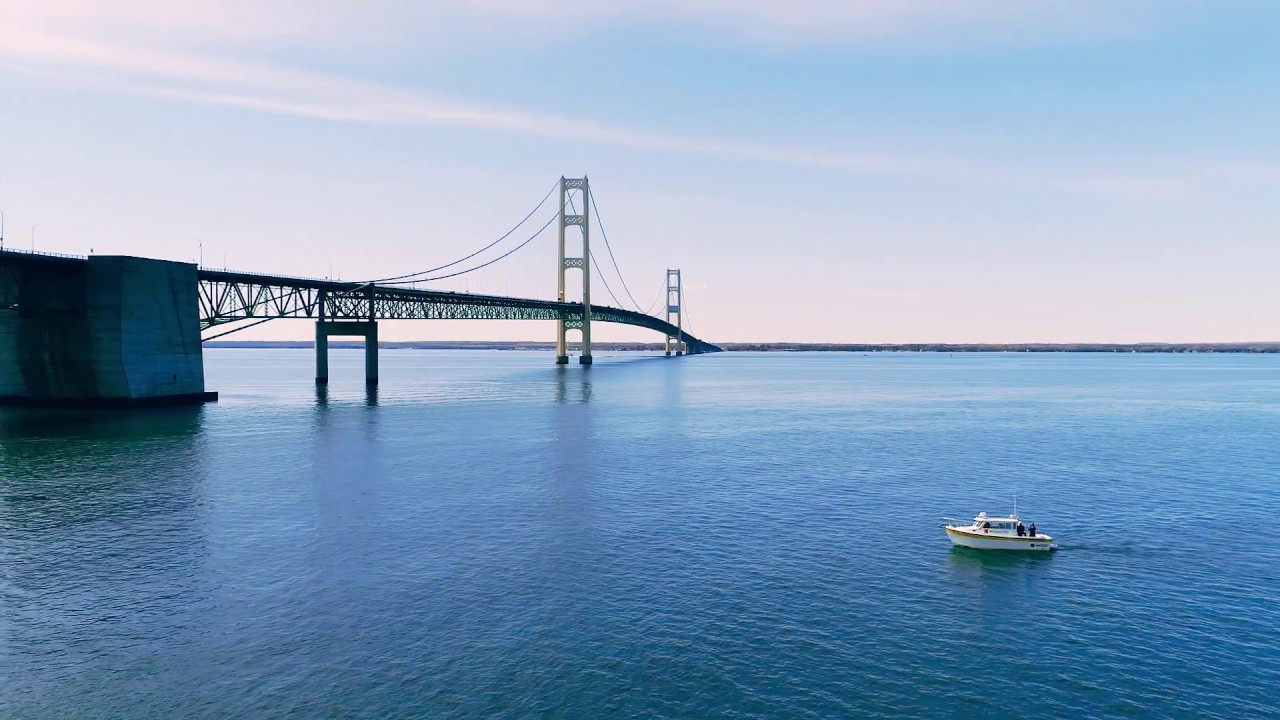
Engineers Monitor the Great Lakes
Sample Areas of Interest
Select areas of interest to help customize your environmental engineering MS. Sample areas include:
- Air Quality
- Subsurface Remediation
- Surface Water Quality
- Water Resources