
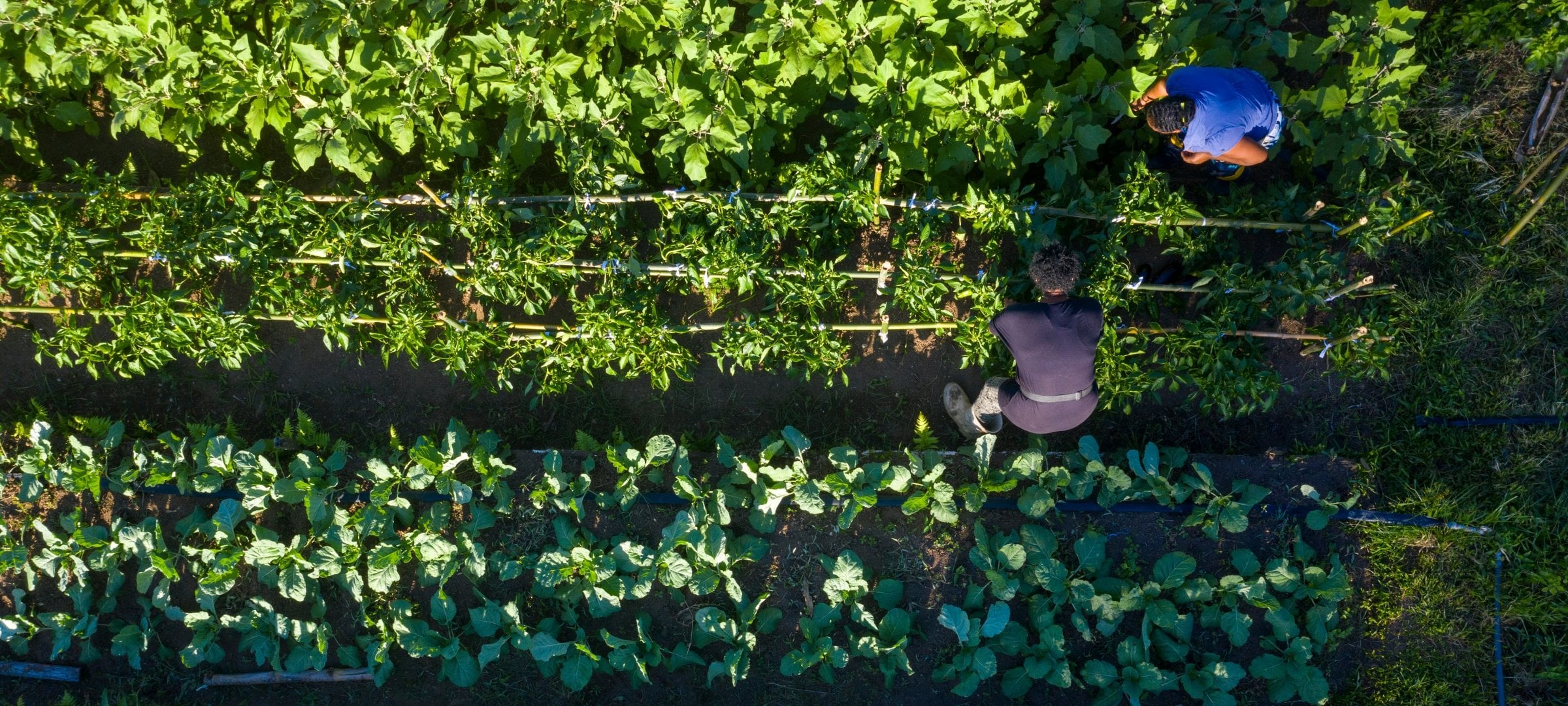
What makes a community sustainable? Clean energy and healthy ecosystems matter—but so do people, policies, and the decisions that shape everyday life. Michigan Tech’s MS in Sustainable Communities examines how environmental, social, and economic systems intersect. Investigate community challenges, evaluate potential solutions, and develop the knowledge and skills to support meaningful, lasting change.
TheAccelerated Master's Program is available for current Michigan Tech students.
Who Is This Program For?
Want to understand why some sustainability initiatives succeed while others struggle? This interdisciplinary degree may be a good fit if you're interested in connecting environmental issues with public policy, social research, planning, or community engagement. Whether your background is in the social sciences, environmental studies, engineering, or another field, you can bring your perspective to questions about community well-being, resource management, and sustainable development.
What You'll Study
You'll examine sustainability through the social, environmental, and technological systems that shape communities. Your studies will draw on four core areas: Social Science Foundations, Applied Research and Inquiry Skills, Socio-ecological and Socio-technological Systems, and a Capstone Experience. Depending on your coursework, you could develop skills in policy analysis, social statistics, geographic information systems (GIS), surveys, and ethnographic research. Apply these approaches to questions involving renewable energy, food systems, water resources, community development, and more. Previous students' work has taken them across the Americas and throughout Europe, Asia, and Africa.
Where You'll Apply Your Knowledge and Skills
Sustainability professionals help communities and organizations balance environmental responsibilities, economic priorities, and social needs. Apply your knowledge to assessing community needs, evaluating policies, engaging stakeholders, and developing sustainability initiatives.
These skills are relevant in municipal and regional governments, planning organizations, environmental agencies, nonprofit organizations, and private-sector sustainability programs. Depending on your interests, experience, and qualifications, you could pursue work in sustainability planning, community development, environmental policy analysis, consulting, program evaluation, or nonprofit management.
-
Delivery Options
- Accelerated: MS
- On-Campus: MS
Sustainable Communities Program Details
Choose a specific degree option or delivery type to learn more about the sustainable communities program at Michigan Tech. For international students, Sustainable Communities is a designated STEM program.
On-Campus Programs
Additional Program Information
Want to learn more about sustainable communities at Michigan Tech? Visit the department for more information:
Sample Areas of Interest
Select areas of interest to help customize your sustainable communities MS. Sample areas include:
- Sustainability
- Environmental Science
- Public Policy