Better healthcare decisions begin with information people can trust and use. Health informatics combines healthcare, information technology, and data analysis to improve how health information is collected, managed, shared, and interpreted. In Michigan Tech’s MS in Health Informatics, you’ll examine how data and digital systems support patient care and research while addressing privacy, security, and the context behind the information.
Our Accelerated Master's Program is available for current Michigan Tech students. Explore our Online Master's Program.
Who Is This Program For?
This degree may suit you if you want to work at the intersection of health, information, and computing. It offers avenues for students interested in healthcare information systems and interoperability; health data analysis, imaging informatics, or decision support; privacy, security, and ethics in the management of health information.
What You'll Study
You'll examine the multidisciplinary field of informatics, decision support systems, telemedicine, ethics, security and privacy of data, consumer health informatics, interoperability, health development, international health care systems, and translational research informatics with a master's degree in heath Informatics. Design and implement innovative applications and promote new technologies to improve health care. Choose one of three specializations in addition to core courses in healthcare information, security, and privacy; imaging informatics; healthcare data informatics.
Where You'll Apply Your Knowledge and Skills
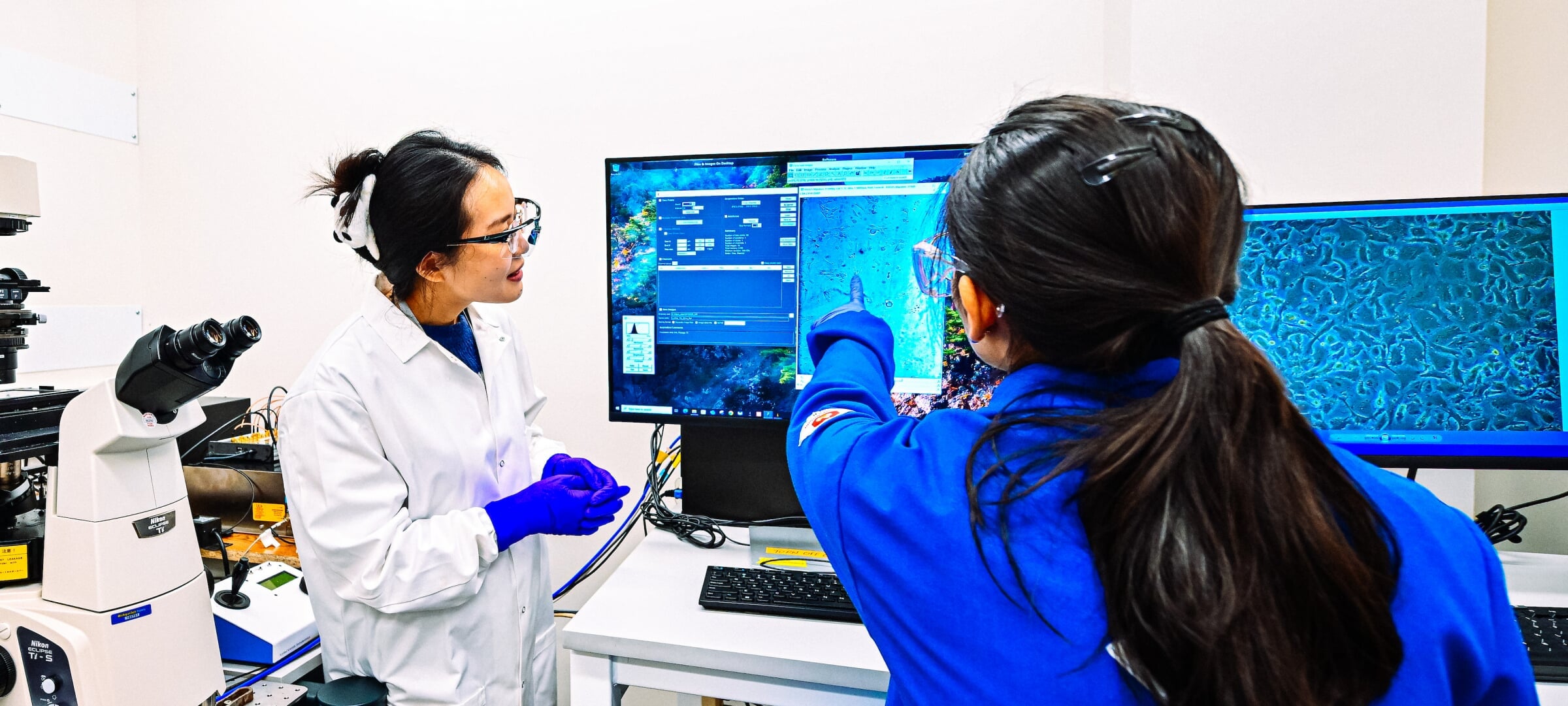
You can apply your knowledge to analyzing patient-care datasets, improving how electronic health records support clinical workflows, evaluating clinical decision-support tools, and helping health information move securely between systems.
Depending on your background and experience, relevant roles include health data analyst, clinical informatics analyst, clinical informatics specialist, and clinical systems analyst. In these positions, you might identify trends in healthcare data, help clinicians use information systems effectively, or evaluate whether those systems provide accurate, accessible information. Possible career environments include health-care systems, research laboratories, insurance companies, government organizations, and many others.

Health Informatics at Michigan Tech
Health Informatics Program Details
Choose a specific degree option or delivery type to learn more about the health informatics program at Michigan Tech. For international students, Health Informatics is a designated STEM program.
On-Campus Programs
Online Programs
Additional Program Information
Want to learn more about health informatics at Michigan Tech? Visit the department for more information:
Sample Areas of Interest
Select areas of interest to help customize your health informatics MS. Sample areas include:
- Electronic Health Records
- Health Information Systems
- Health Information Management
- Imaging Informatics