
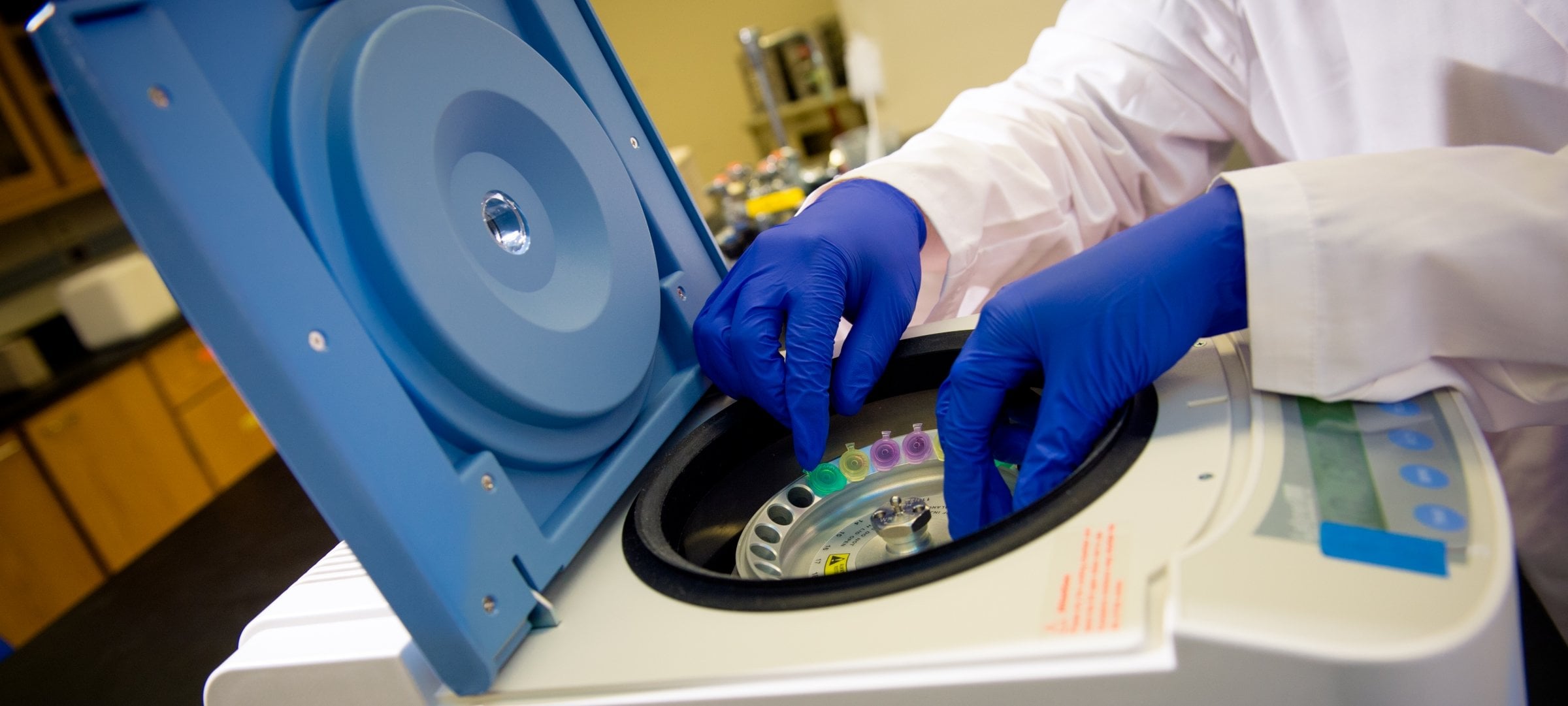
What happens when the brain, heart, muscles, and other body systems must respond together, whether it is to exercise, injury, disease, or aging? Kinesiology studies human movement; integrative physiology examines how biological systems interact to sustain function and health. Michigan Tech's PhD in Kinesiology and Integrative Physiology combines these fields through original research on cardiovascular regulation, neural control, movement, and physiological responses. Investigate the mechanisms behind human performance and health, from cellular processes to whole-body function.
Who Is This Program For?
MTU's doctorate in kinesiology and integrative physiology program is designed for students who want to analyze the mechanisms of human movement and physiological function through research. It is ideal for those interested in cardiovascular regulation, exercise and stress responses, neuroscience, biomechanics, aging, or relationships among biological systems. If your goal is to design experiments, interpret physiological measurements, and contribute original evidence to health and movement science, this program may align with your interests.
What You'll Study
Examine how the nervous, cardiovascular, muscular, and metabolic systems interact under ordinary conditions and physiological stress. Depending on your research focus, you may assess neural control of circulation, hypertension, responses to exercise, motor learning, fatigue, biomechanical performance, or changes in movement and cognition with aging. Your doctoral study will emphasize experimental design, measurement, analysis, interpretation, and a dissertation that contributes new knowledge within a defined area of kinesiology or integrative physiology.
Where You'll Apply Your Knowledge and Skills
You could test how physiological processes work, design human performance studies, measure responses to interventions, or analyze data on movement and neural control. Career options include physiology research scientist, exercise physiology researcher, biomechanics researcher, human performance scientist, or university researcher. You could work at a university, a medical or health research institute, a rehabilitation research organization, or a company developing health or human performance technologies. Clinical practice requires a separate professional license.
-
Delivery Options
- On-Campus: PhD
Kinesiology and Integrative Physiology Program Details
Learn more about the kinesiology and integrative physiology program at Michigan Tech. For international students, Kinesiology and Integrative Physiology is a designated STEM program.
On-Campus Programs
Additional Program Information
Want to learn more about kinesiology and integrative physiology at Michigan Tech? Visit the department for more information:
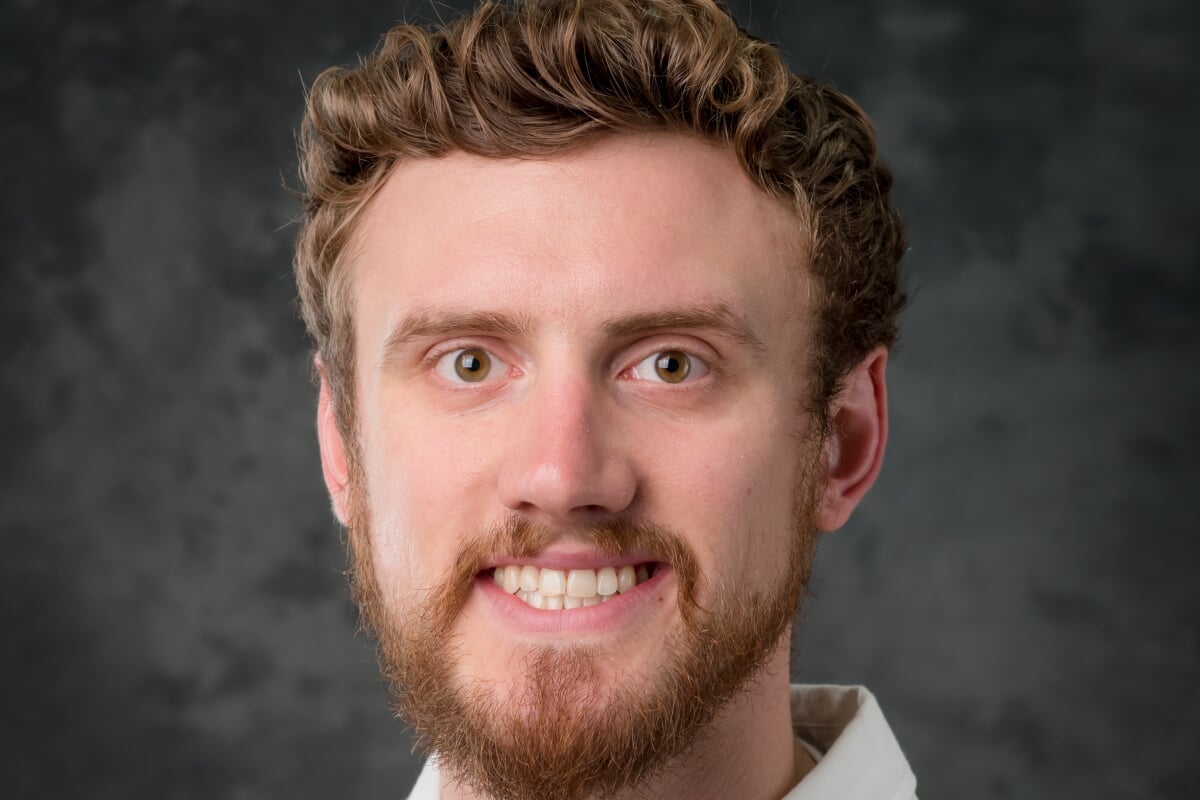
"I have had a lot of fun and have grown significantly as a teacher and researcher throughout my time at Michigan Tech."
Sample Areas of Interest
Select areas of interest to help customize your kinesiology and integrative physiology PhD. Sample areas include:
- Exercise and Stress Physiology
- Neural Control of Circulation
- Biomechanics of Human Movement
- Muscular Fatigue in Humans