
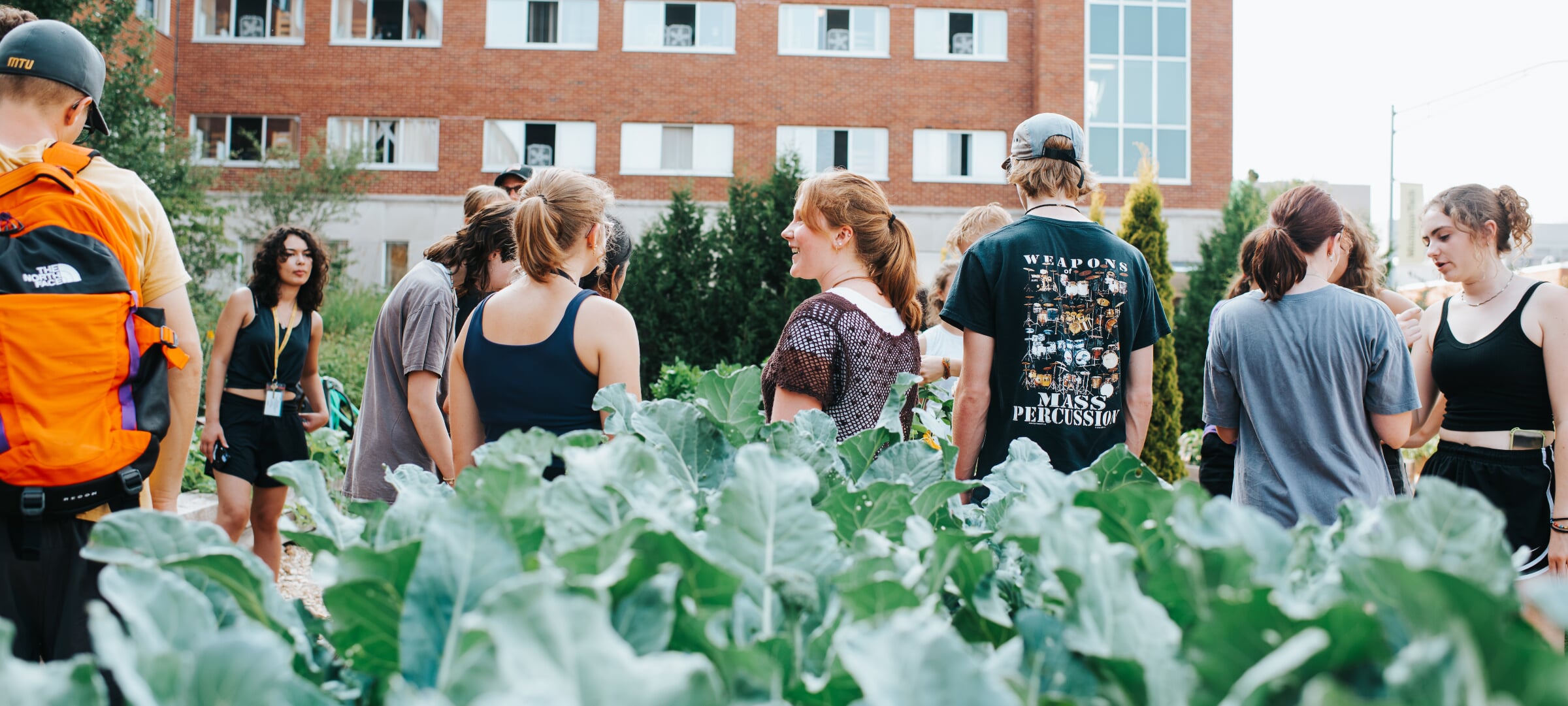
We prepare you for diverse professional careers. With an MS in Sustainable Communities, you'll be able to work in both the private and public sectors promoting environmental protection and social responsibility.
Sustainability-related jobs are found in some of the fastest-growing fields in the 21st-century economy. Many jobs in sustainability, especially at the management and leadership level, require both applied tools for research, investigation, and inquiry and a holistic understanding of the root causes and potential pathways to address the most pressing sustainability problems. There is a need for leaders who are skilled analysts, consultants, educators, planners, and policymakers. Many of these jobs did not exist several years ago, and this economic sector is expected to continue to grow, according to the U.S Bureau of Labor Statistics.
Study Sustainable Communities at Michigan Tech
- Join a global community of professionals and scholars engaged in research that drives solutions to address pressing societal, environmental, and resource sustainability challenges.
- Develop hands-on skills. Students engage in community projects and gain knowledge and skills in policy analyses, law, community engagement, social data analysis, as well as methodological training in cultural and industrial heritage, built environments, social justice, and comparative perspectives on sustainability.
Train for careers in the public, private, and non-profit sectors.
Pursue Projects That Interest You
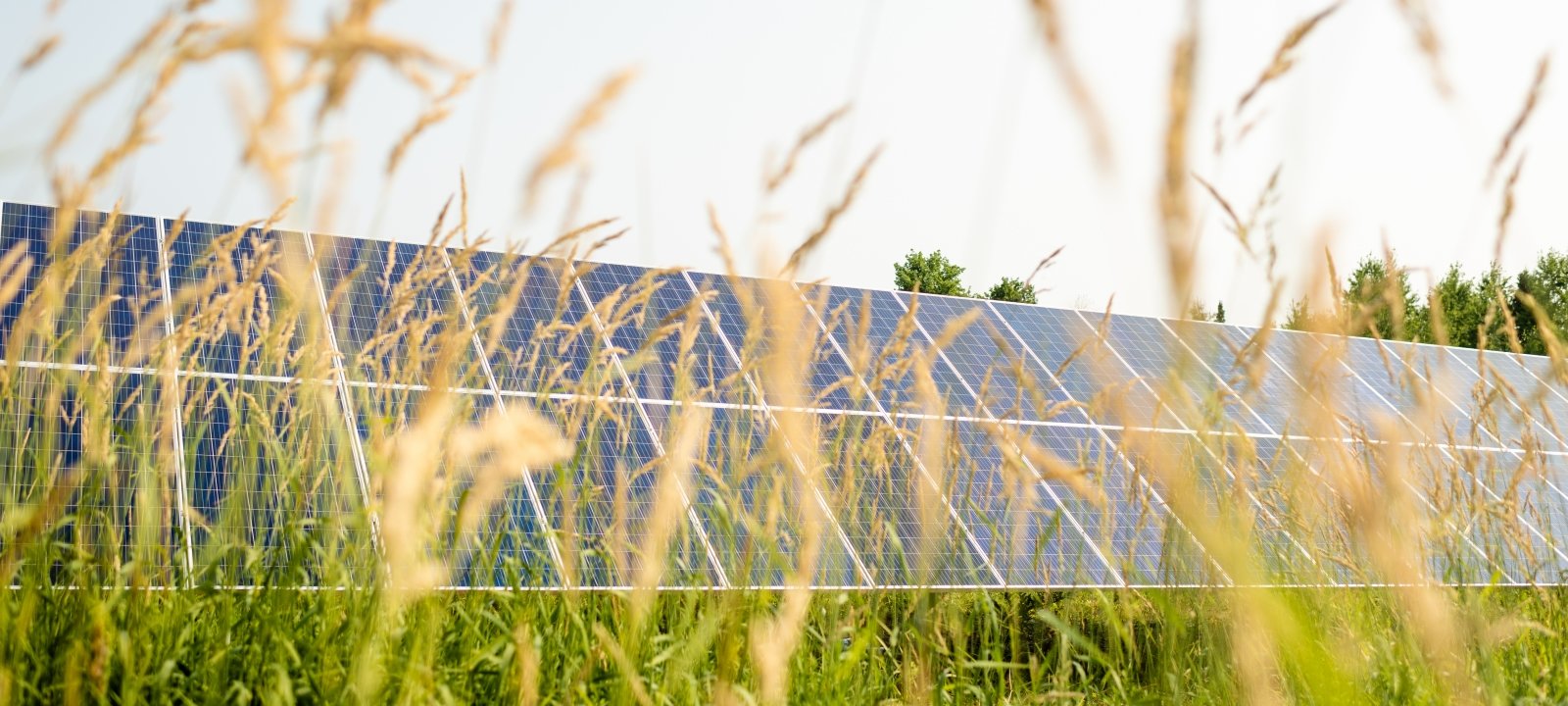
The Sustainable Communities curriculum gives students the opportunity to combine courses across multiple departments and programs on campus. Students can choose to earn two graduate certificates through their coursework. Many classes are built around transdisciplinary and innovative projects that address sustainability issues: social and economic development; built environments and infrastructures; food, energy, and water systems; and community-driven change. Students can join existing teams or build their own course project, locally in the Keweenaw Peninsula or elsewhere in the world. Some students also choose to complete a report, developing an original project in consultation with a faculty committee.
Gain Skills and Partner With Diverse Teams of Stakeholders Working Toward Sustainability Goals
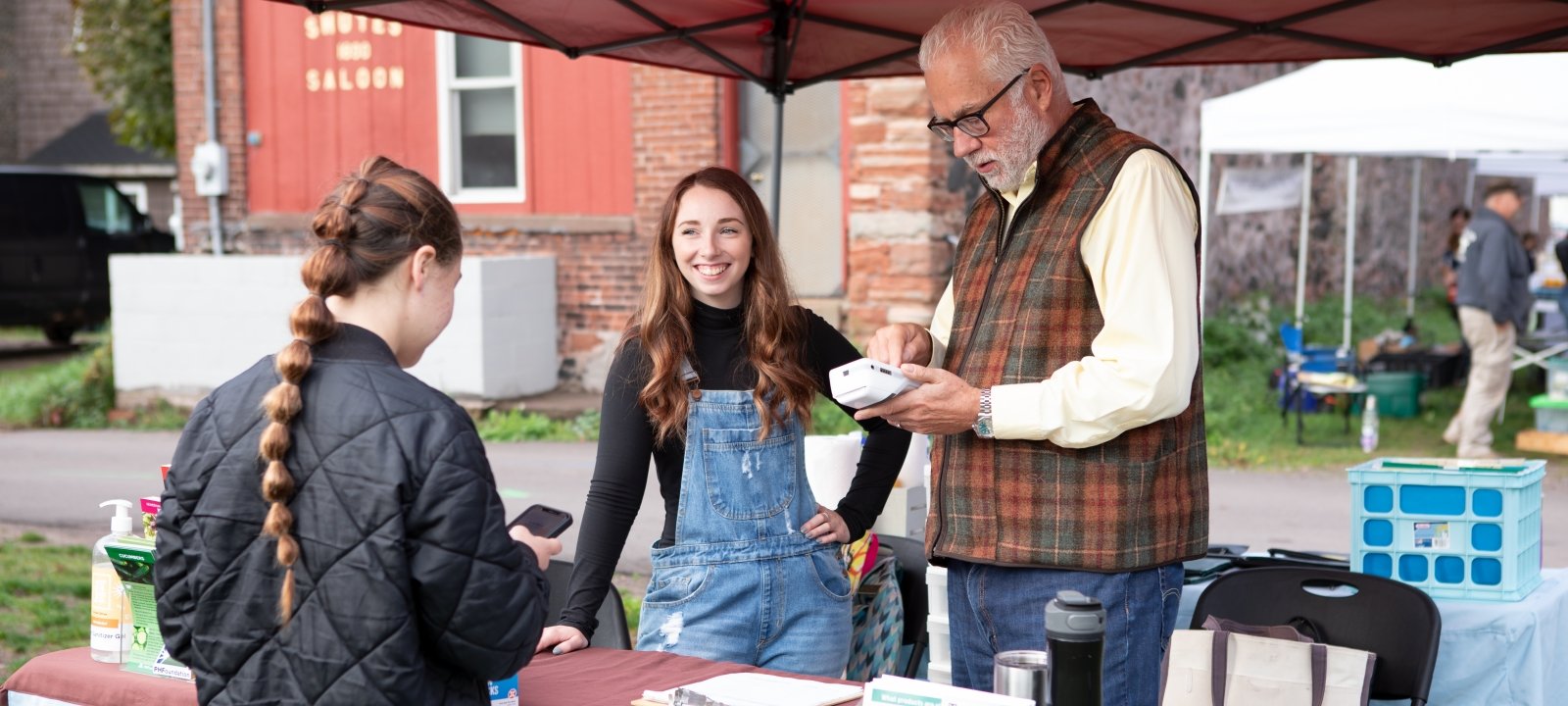
You'll learn how to work with local stakeholders on the front lines of solving sustainability challenges. As a Sustainable Communities Master's student, you will join a community of sustainability leaders and researchers with expertise in:
- climate change policy and commitments
- community-based and participatory research methodologies
- energy conservation and renewable energy policy
- environmental and rural sociology theory and methods
- environmental change and life course epidemiology
- faith-based development practices and policies
- human rights
- public policy
- renewable energy policy
- resource economics
- sense of place social movements and social change
- urban environments and population health
- watershed change and water quality
Receive Funding and Work With Partners
Professionals that address sustainability in communities must be able to seek funding and manage project budgets. Most master's students in the Sustainable Communities MS program fund their own educational experience, using various sources. These could include work study, graduate research, student loans, Employer Education Benefits, fellowships, and grants, sometimes funding field research through internships like AmeriCorps Vista. You may have the opportunity to work with faculty on funded research projects, but these funds are limited and competitive. Funding opportunities vary from providing hourly work to covering the costs of tuition; opportunities for a fully funded graduate experience are most commonly based on faculty research projects.
Michigan Tech partners with government and industry sponsors like the National Park Service, United States Forest Service, Amtrak, National Museum Wales, and the European Union, offering real-world problems in need of solutions.
Applications submitted to the SSSC MS program are considered on a rolling basis between January 16th and October 14th, but these applications are not considered for funding opportunities. Only applications submitted between October 15th and January 15th for admission to enter the program in the following fall semester will be considered for the limited and competitive funding opportunities available through the Social Sciences Department. Applicants who apply between October 15th and January 15th will typically receive notice of admission in February and funding decisions by April; if you are not offered funding during this time period, you should be prepared to cover the expenses of your graduate studies, although decisions about funding do come closer to fall enrollment in rare and exceptional circumstances.
What Jobs Can I Get With an MS in Sustainable Communities?
Your future career options are limitless with an MS in Sustainable Communities. Here are just some of the more popular jobs graduates go into:
| Job Title | Mean Annual Salary (BLS) | Projected Job Growth between 2024 and 2034 (BLS) |
|---|---|---|
| Social and Community Service Manager | $88,880 | 6% |
| Administrative Services Manager | $129,870 | 5% |
| Urban and Regional Planner | $94,750 | 3% |
| Sustainability Director | $127,223 (Payscale) | Not available |
|
Figures from Payscale accessed May 2026. Figures from U.S. Bureau of Labor Statistics (BLS), dated May 2025. |
||
Sustainable Communities Accelerated MS
An Opportunity to Earn Both a Bachelor’s and a Master’s Degree in Five Years
Are you a highly motivated student? Then, jump-start your advanced education with an Accelerated MS Program in Social Sciences. This full-time, one-year master's program trains students with the skills to conduct and interpret social research.
Gain a competitive edge for a career in industry or pursue doctoral studies in social science; the Accelerated Master's puts you on the fast track.
Additional Accelerated Program Information
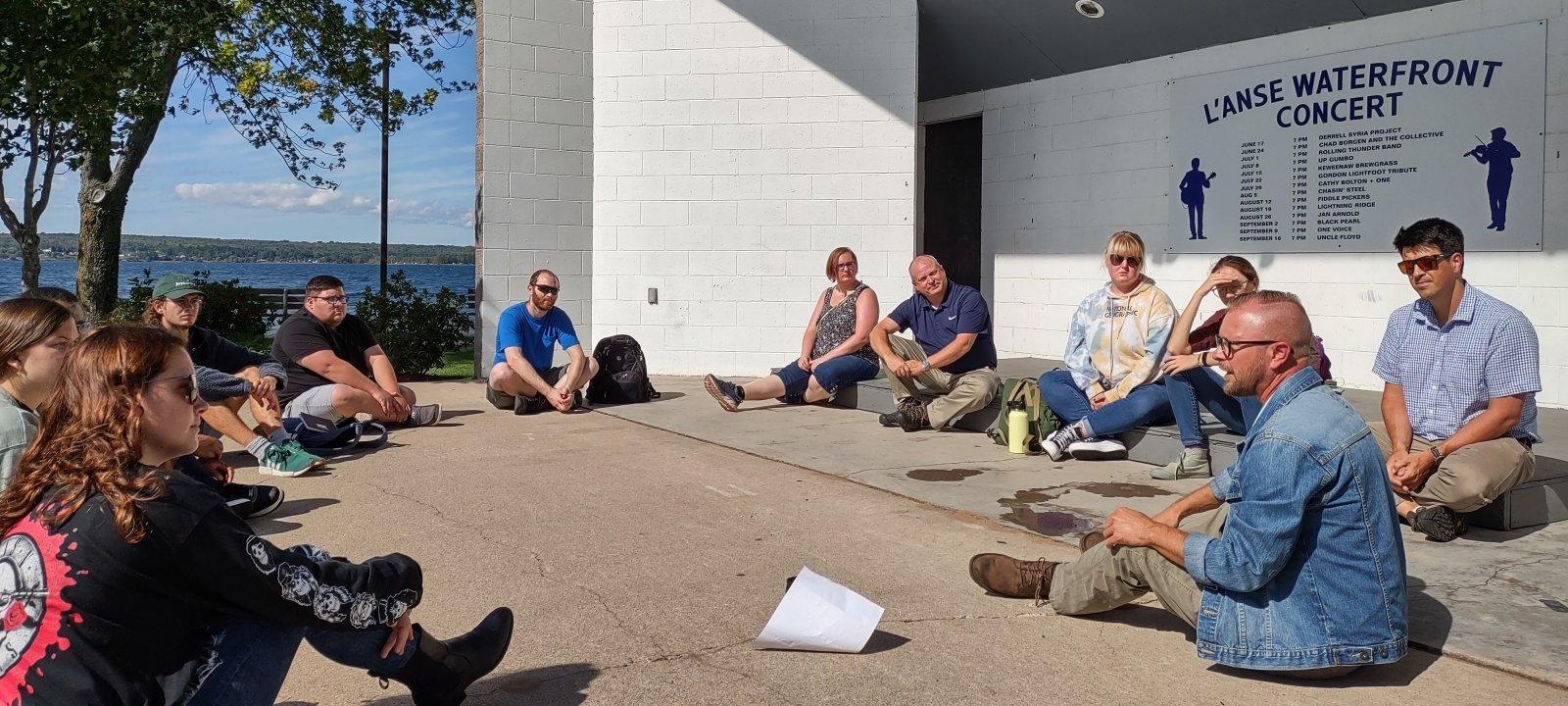
Degree Options
Progressing Through the Program
Once admitted to the program, students will be expected to meet the following requirements:
- Complete 30 credits of coursework.
- Students can complete this degree using a coursework only path or by completing a report; both options provide opportunities to work with faculty on projects and have the potential for engagement with internship experiences.
MS Course Requirements
Applied Research & Inquiry Skills
Earned through either Certificate or Coursework
Certificate Option:
Coursework Option: Choose 3
| Course | Course Title | Credits |
|---|---|---|
| SS 4211 | Ethnographic Methods | 3 |
| SS 5001 | Advanced Social Science Methods | 3 |
| SS 5003 | Survey Methods | 3 |
| SS 5004 | Social Statistics | 3 |
| SS 5005 | Introduction to Agent Based Modeling |
3 |
| SS 5049 | GIS for Graduate Researchers | 3 |
| SS 5050 | Advanced GIS Methods & Projects* | 3 |
| SS 5501 | Industrial Communities | 3 |
| SS 5700 | Archaeological Field Methods | 3 |
| SS 5800 | Documentation of Historic Structures |
3 |
| SS 6002 | Research Design | 3 |
Total Credits: 9
Socio-Ecological and Socio-Technological Systems
Earned through either Certificate or Coursework
Coursework Option: Choose 3
| Course | Course Title | Credits |
|---|---|---|
| SS 4200 | Environmental Anthropology | 3 |
| SS 5400 | Sociology of the Environment | 3 |
| SS 4540 / 5550 | Global Environmental History | 3 |
| SS 5551 | Global Industrial History | 3 |
| SS 5500 | History of Technology | 3 |
| BL 4120 | Environmental Remediation* | 3 |
| GE 4220 | Mining Systems & the Environment* | 3 |
| FW 5421 | Climate Change & Management in Great Lakes Forested Systems | 3 |
| FW 5371 | Snow Hydrology | 3 |
| FW 5369 | Hydrology & Watershed Management | 3 |
| BL 5421 | Lake Superior Exploration | 3 |
| BL 5447 | Stream Ecology | 3 |
| BL 5451 | Advanced Ecology | 3 |
| GE 5150 | Advanced Natural Hazards | 3 |
| CEE 4410 | Transportation Planning | 3 |
| CEE 5666 | Water Resources Planning & Management* | 3 |
| FW 4400 | Urban Forestry | 3 |
| FW 5115 | Restoration Ecology | 3 |
| EC 5650 | Market Failure & Environment* | 3 |
| GE 5660 | Social Dimensions of Natural Hazards | 3 |
Total Credits: 9
Social Science Foundations
| Course | Course Title | Credits |
|---|---|---|
| SS 5313 | Sustainability Science | 3 |
Choose 2:
| Course | Course Title | Credits |
|---|---|---|
| SS 4120 | Sustainable Development & Communities | 3 |
| SS 4700 | Communities & Research | 3 |
| SS 5420 | Memory & Heritage | 3 |
| SS 5530 | Deindustrialization & the Urban Environment | 3 |
| SS 5720 | Social Thought, Contemporary Issues | 3 |
| SS 5900 | Heritage Management | 3 |
Total Credits: 9
Professional Development Capstone
Choose 1:
| Course | Course Title | Credits |
|---|---|---|
| SS 4000 | Independent Study | 3 |
| SS 5101 | Climate and Energy Policy | 3 |
| SS 5015 | Cultural/Environmental Office of Surface Mining VISTA Field Service Internship |
3 |
| SS 5990 | Graduate Research | 3 |
| SS 5010 | Directed Study | 3 |
| SS 4920 | Internship Experience | 3 |
| SS 4921 | Washington Internship-Professional Practicum^ |
3 |
| ENT 5950 | Graduate Enterprise Project Work | Var |
Total Credits: 3