

Backpacking off-trail for a month over a more than 200-square-mile island chain is more demanding than your average camping trip. But for graduating Michigan Tech senior Jacob Sutter, wild places like Isle Royale National Park are where he finds happiness.
Jacob Sutter's fascination with Isle Royale began in high school in his hometown of New Baltimore, Michigan. That's when he saw the mini-documentary "Wolves of Isle Royale: The Quest for Survival." The island's isolation and the long-term predator-prey study led by Michigan Technological University immediately captured his interest. It didn't take long for Sutter to follow his passion to the University's College of Forest Resources and Environmental Science (CFRES), where he decided to study wildlife ecology and conservation.
"I knew I wanted to contribute to the wolf-moose project," said Sutter. "Michigan Tech's CFRES offered the hands-on field experience and research opportunities I was looking for."
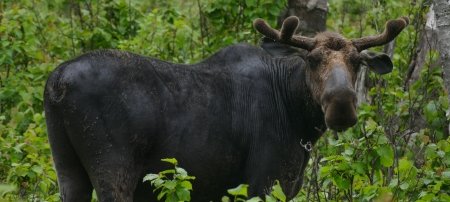
During his first two years at Michigan Tech, Sutter focused on gaining experience through courses, volunteer projects and fieldwork opportunities. He first set foot on Isle Royale's rocky shores in 2023 during a spontaneous trip with his father. They hiked from the park's Rock Harbor headquarters to Daisy Farm Campground, where they spent the night. The next morning, they continued to Mount Ojibway, where they watched a large bull moose wade through a creek below before they circled back to Rock Harbor.
Their two-day, nine-mile hike sparked Sutter's fascination with the island's environment and ecology. Sutter's father, a former professional concert photographer, inspired his son by capturing impermanent moments through his camera lens. On that first trip, and during every visit to Isle Royale thereafter, Sutter has considered his camera as essential as his backpack.
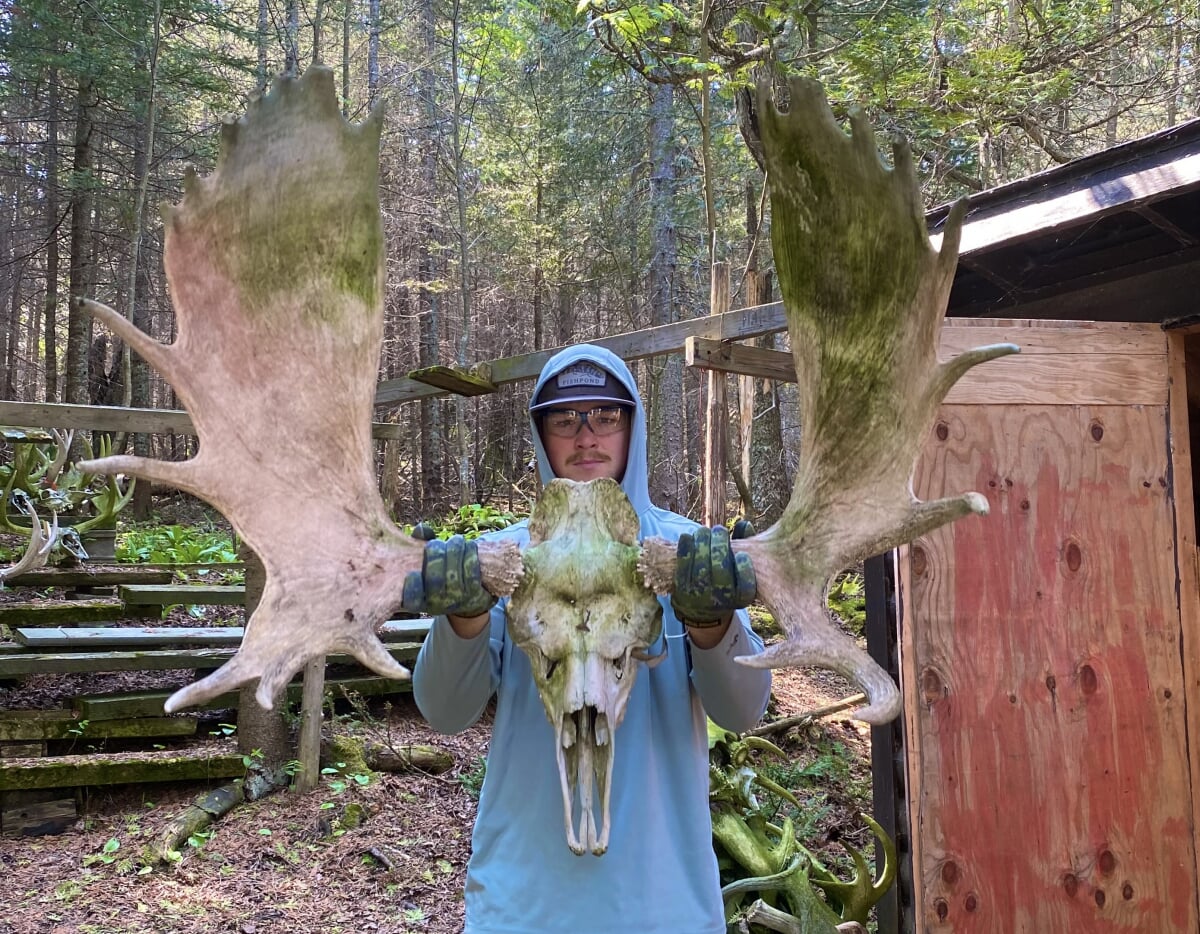
"There's something powerful about freezing a moment in time and being able to return to it years later," said Sutter.
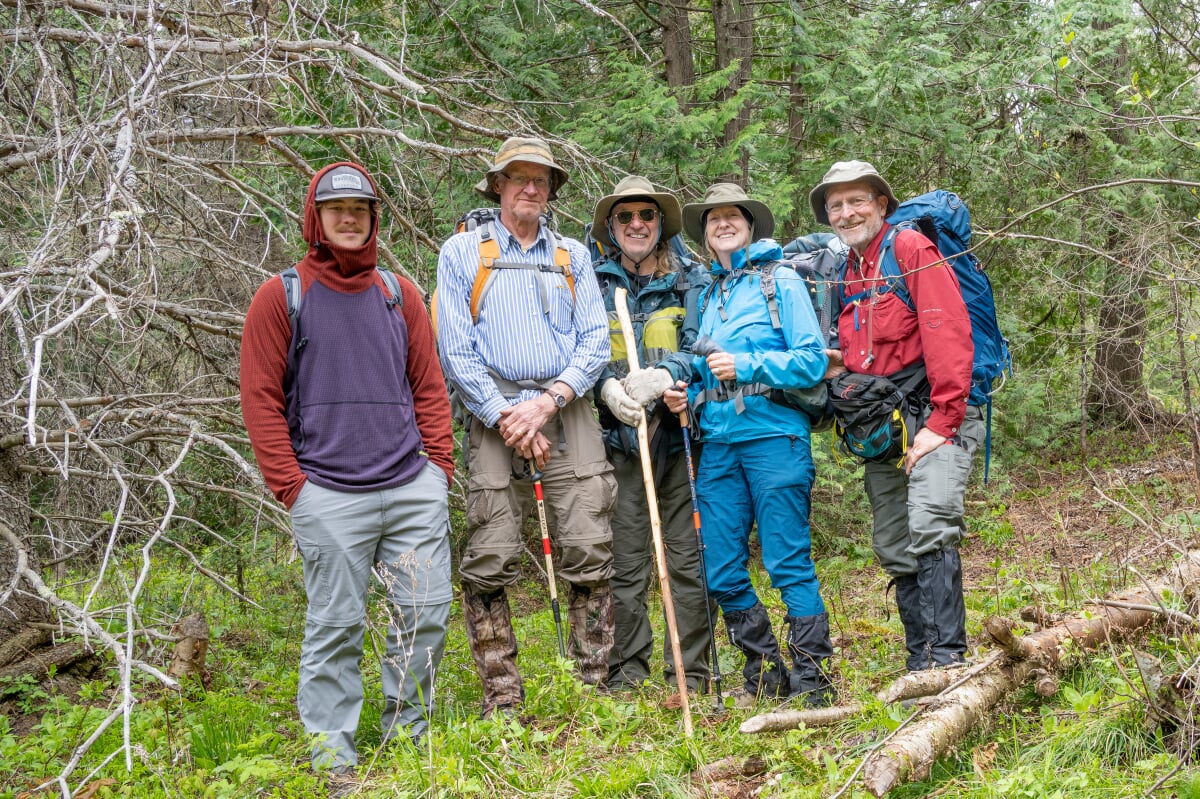
With two years of learning and experience under his belt and many miles under the soles of his hiking boots, Sutter set out to realize his dream to work with the wolf-moose project. He applied for the project's summer fieldwork team and was accepted. In summer 2024, Sutter and five other students spent 30 days backpacking across Isle Royale.
The six students worked under the guidance of CFRES faculty Sarah Hoy, assistant professor and co-leader of the Isle Royale wolf-moose project; Rolf Peterson, research professor emeritus; John Vucetich, distinguished professor; and Leah Vucetich, research assistant professor, all of whom have a long history of research and involvement in the wolf-moose project and ecological studies on Isle Royale.
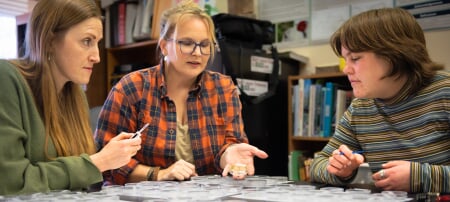
"Their generosity, expertise, and passion for the project made a lasting impact on me," said Sutter. "They answered every question I had while preparing for the field season and ensured we had the knowledge and resources required to work safely and effectively."
In return, Sutter's work ethic and love for the island made an impression on the faculty.
"Jacob is a hardworking and curious student who loves the boots-on-the-ground work in the field," said Peterson.
Hoy, herself an avid wildlife photographer, was impressed by Sutter's ability to capture the island's beauty through his camera lens as well as his field skills.
"Jacob is hardworking and always remains positive, even under the potentially stressful or challenging conditions that you face when working on Isle Royale," said Hoy. "Before he came to work with the wolf-moose project, he already had a lot of experience backpacking and working outdoors in remote areas and collecting ecological data. It was clear that, because of that experience, his peers looked to Jacob for help, guidance, and advice."
The Wolves of Isle Royale
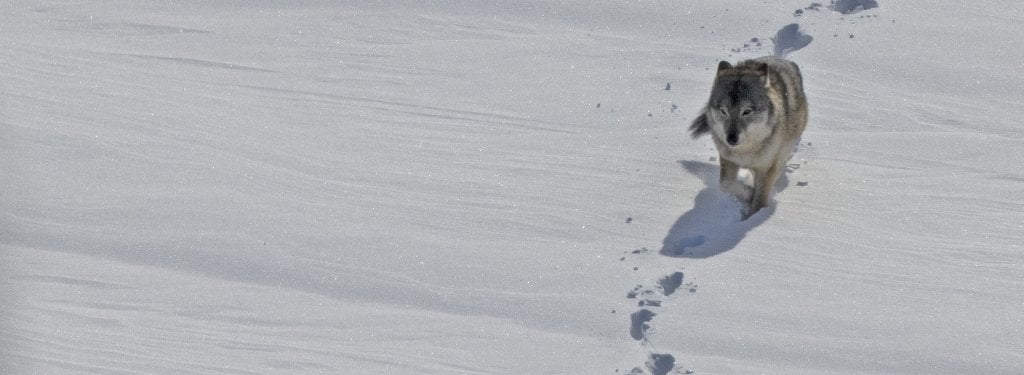
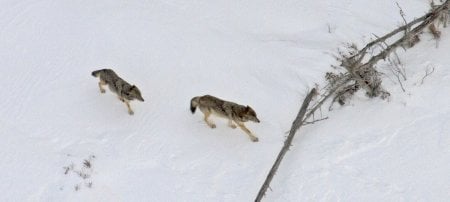
In 2018, Isle Royale's native wolf population had collapsed to just two wolves that were too closely related to breed successfully. Unchecked by wolf predation, the growing moose population was negatively affecting the growth and survival of balsam fir and other tree species. The situation led the National Park Service to translocate 19 new wolves to Isle Royale between 2018 and 2019.
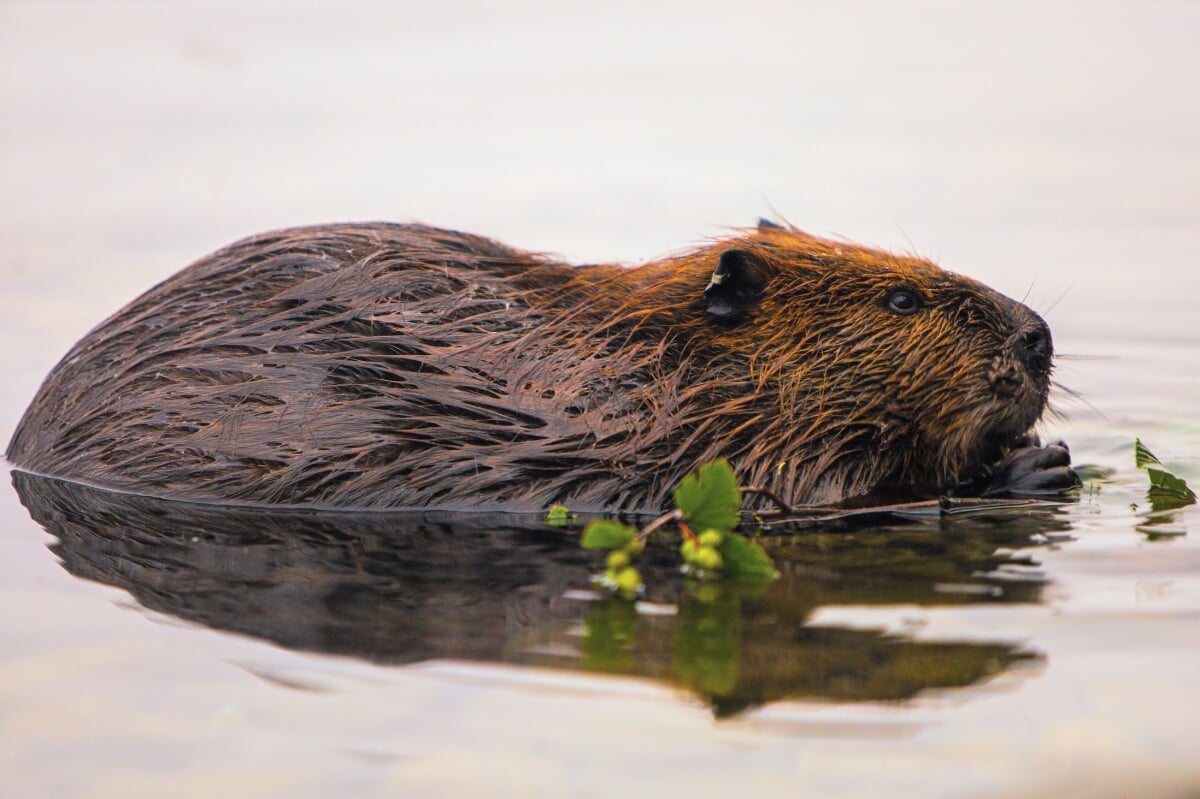
The interns were tasked with collecting ecological data on moose, wolves, and beaver, but Sutter's primary focus was how wolf reintroduction has impacted beaver populations.
Sutter navigated to remote off-trail beaver colonies to observe signs of food resource use. He gathered information on which tree species and stem diameter the beaver selected and the distance they traveled from water. He also mapped wildlife trail systems as he went.
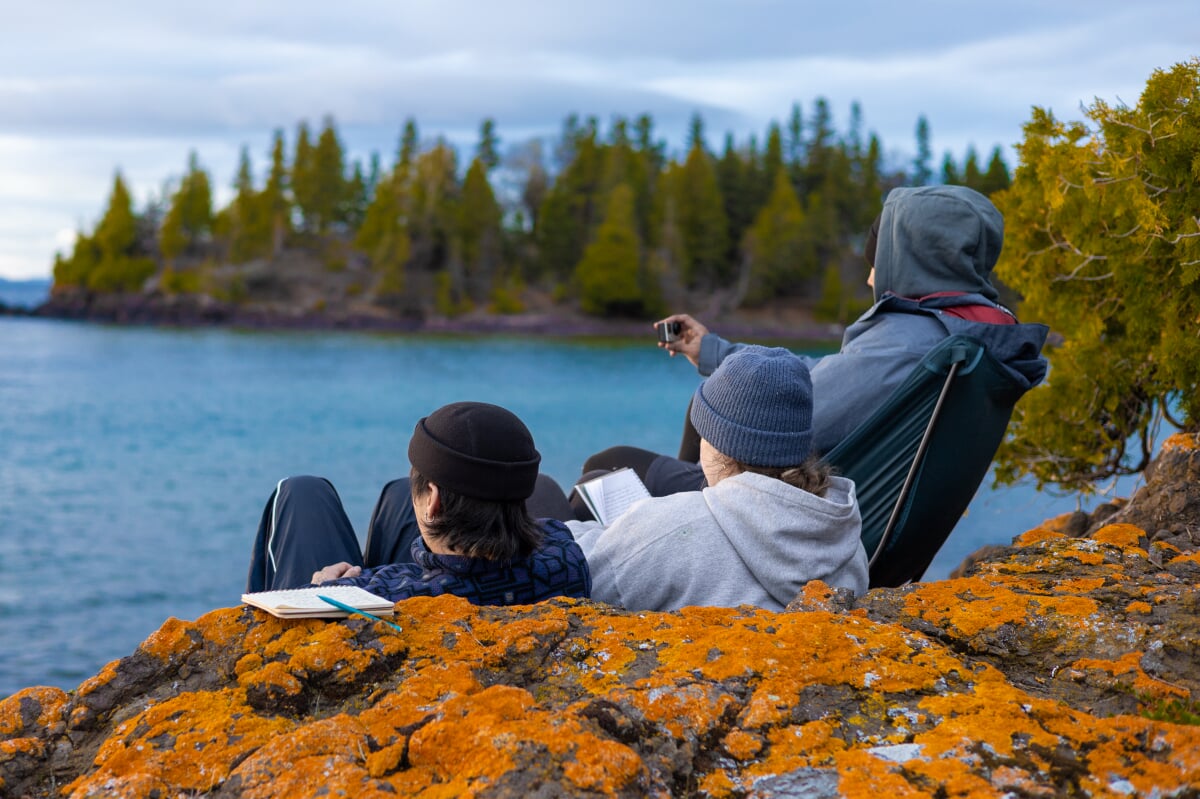
"I worked alongside students from across the country, each bringing different backgrounds and perspectives. Many of them have become close friends with whom I am still in contact," said Sutter. "Some of my favorite memories are the evenings spent in the yurt at basecamp, sharing meals and stories. It truly felt like a family."
When he wasn't collecting data on beaver activity, Sutter spent a lot of time observing moose and their interaction with the rest of the island's ecology. He measured annual balsam fir regeneration and moose browsing impacts, and assisted citizen scientist Moosewatch crews in locating moose remains for specimen collection.
"Working alongside longtime volunteers — some in their 70s — who were still backpacking off-trail in rugged terrain was incredibly inspiring," said Sutter. "I hope I'm still out there doing the same at their age."
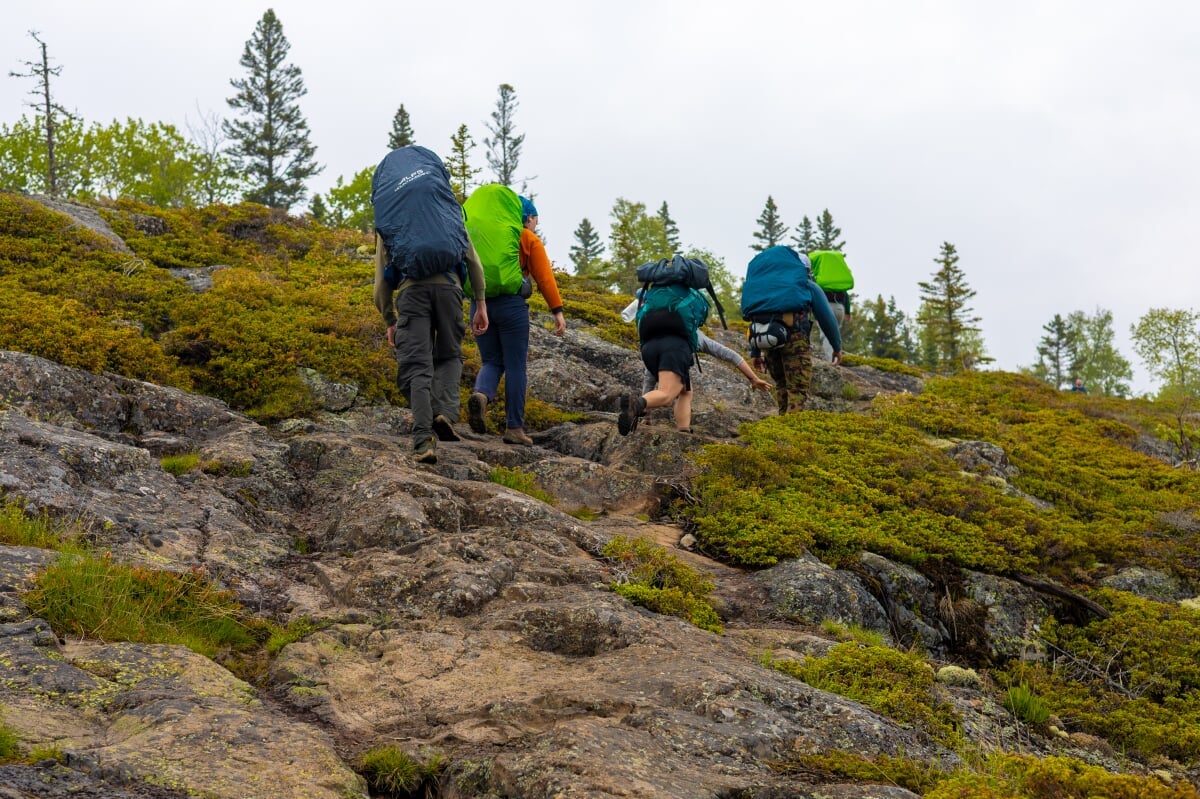
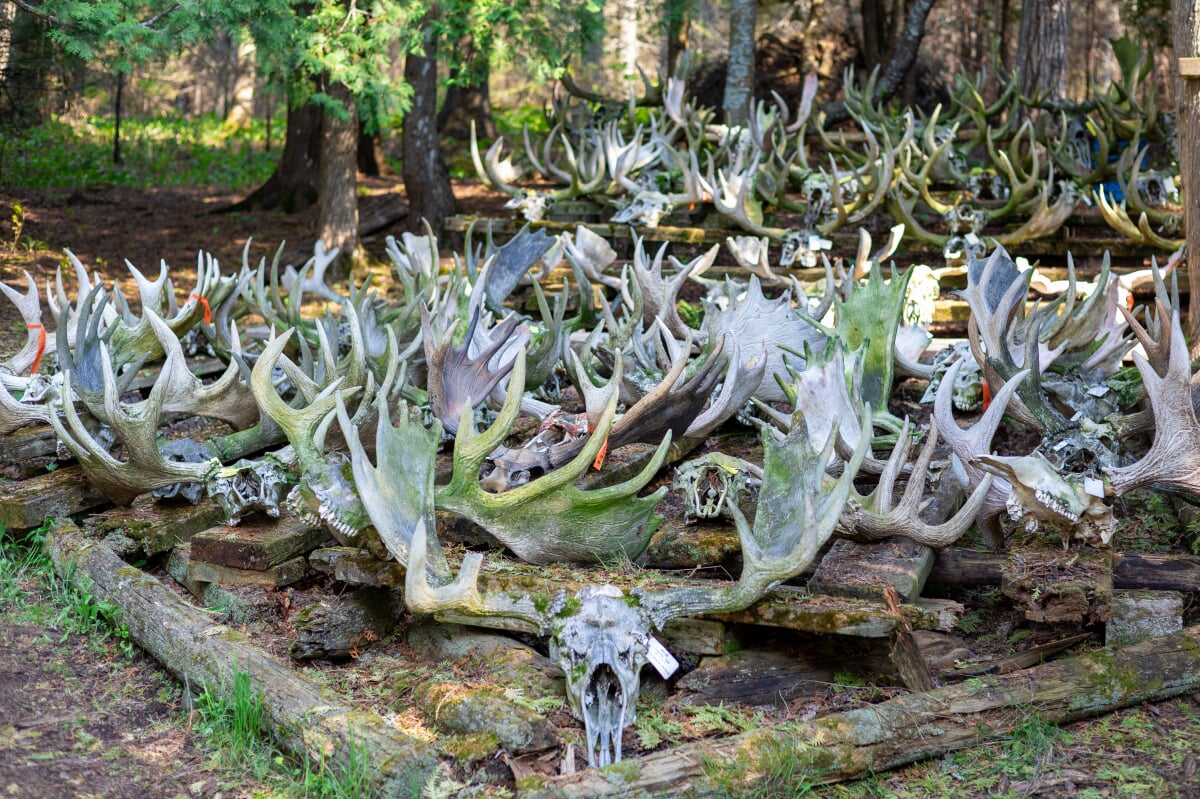
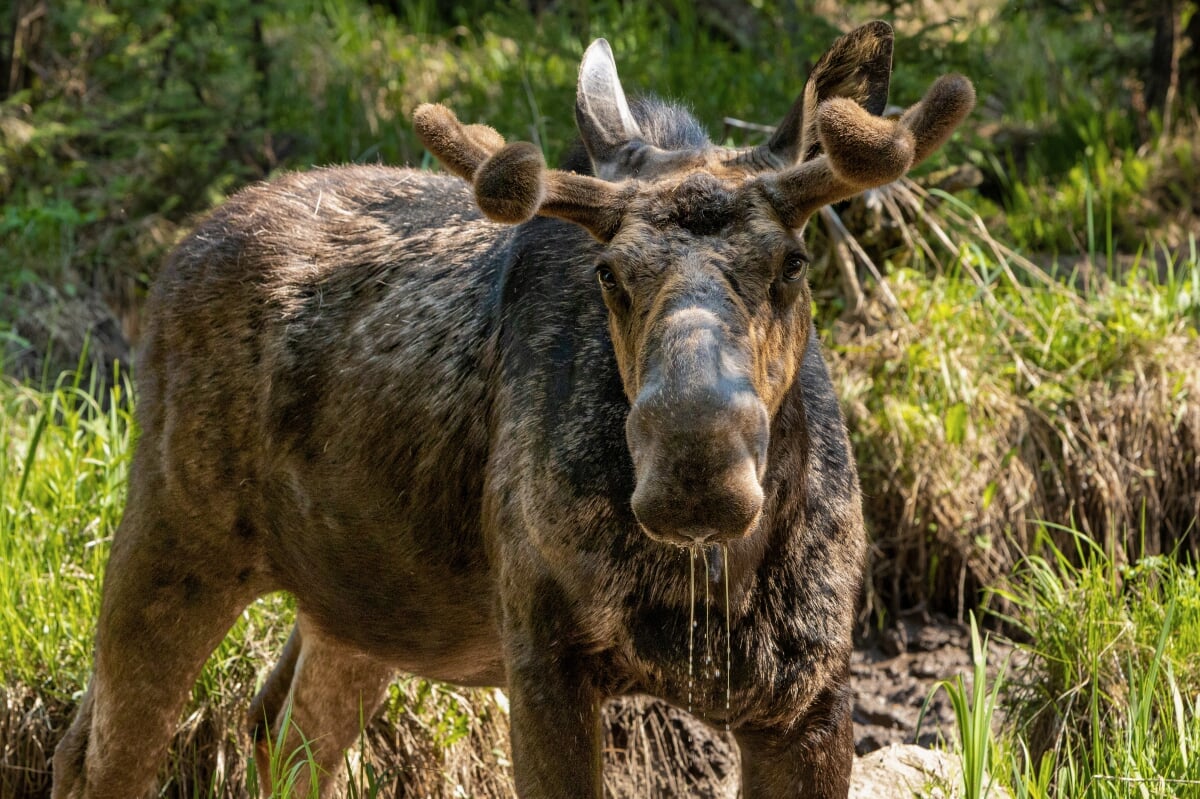
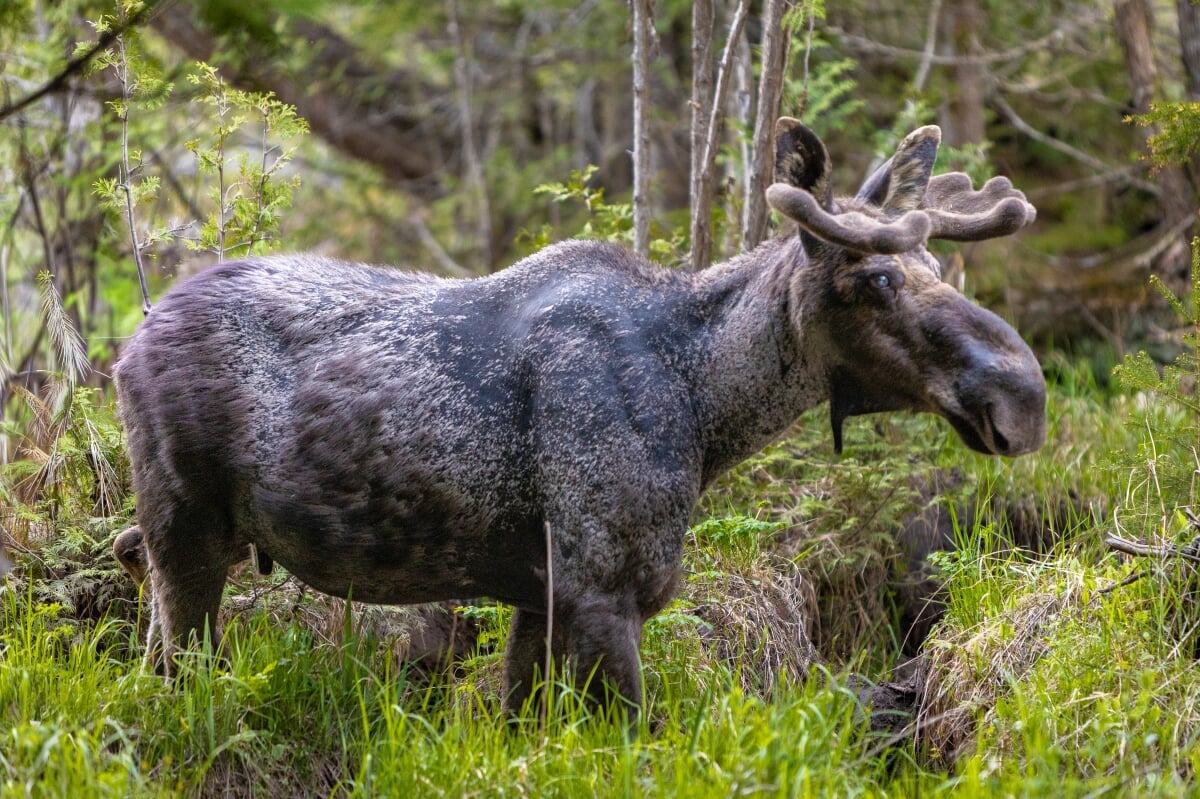
Perhaps the most challenging assignment Sutter faced was documenting moose hair loss due to winter tick infestation. Strengthening his leg muscles along with his backcountry navigation and backpacking skills, he followed moose trails deep into the island's interior to camp near a mineral lick for four nights. Here, lugging around what Peterson called "an impressive amount of high-quality and heavy camera gear" paid off in capturing wild beauty, memories, and active contributions to science.
"Many people submit photos of moose for me to analyze to assess tick infestation," said Leah Vucetich. "The images that Jacob submitted were of excellent quality, well-organized, and clearly labeled. He took the time and effort to sort and send only usable images, which made my job easier."
From Sutter's perspective, providing high-quality images to his mentors was the least he could do in exchange for their wisdom and expertise.
"Working with world-renowned wildlife biologists on a globally recognized predator-prey study gave me exposure to high-level field research. Observing wildlife directly in remote backcountry settings provided a unique learning experience that you simply cannot get in a classroom."
Beyond one summer of wild happiness, Sutter's time on Isle Royale provided him with the hands-on experience and practical skills to build a well-rounded resume that led him to a dream job as a field technician.
"The fieldwork we do on Isle Royale has always been a team effort, and teams only work when their members are committed to the cause," said John Vucetich. "Jacob was that and more. He is a testament to the good things that happen when a person is devoted to pursuing their career."
When it comes to post-graduation success, field experience makes all the difference. After walking across the commencement stage at Michigan Tech on Saturday, April 25, Sutter will begin his professional career with the National Park Service this summer.
"I believe my summer on Isle Royale played a major part in why I landed the biological science technician position in Sequoia and Kings Canyon National Parks," said Sutter.
After graduating, Sutter is headed to Mount Hood, Oregon, for a month of snowboarding before starting his new position. He said his role as a biological science technician will focus on high-elevation aquatic restoration, specifically supporting recovery efforts for the endangered mountain yellow‑legged frog.
Camera in hand, he'll be in his happy place: hiking into remote backcountry lakes, often off‑trail and at high elevation, to collect ecological data on frog populations, habitat conditions and the presence of non‑native trout.
Looking back on the bootprints that carried him this far, Sutter wouldn't change a thing.
"Follow what you're passionate about, even if it takes sacrifice," said Sutter. "Choosing the path that truly interests you will make you happier in the long run."
Michigan Technological University is an R1 public research university founded in 1885 in Houghton, and is home to nearly 7,500 students from more than 60 countries around the world. Consistently ranked among the best universities in the country for return on investment, Michigan's flagship technological university offers more than 185 undergraduate and graduate degree programs in science, technology, engineering, mathematics, computing, forestry, business, health professions, robotics, psychology, social sciences, humanities, and the arts. The rural campus is situated just miles from Lake Superior in Michigan's Upper Peninsula, offering year-round opportunities for outdoor adventure.