


Spring Break 2027 | All Majors Welcome
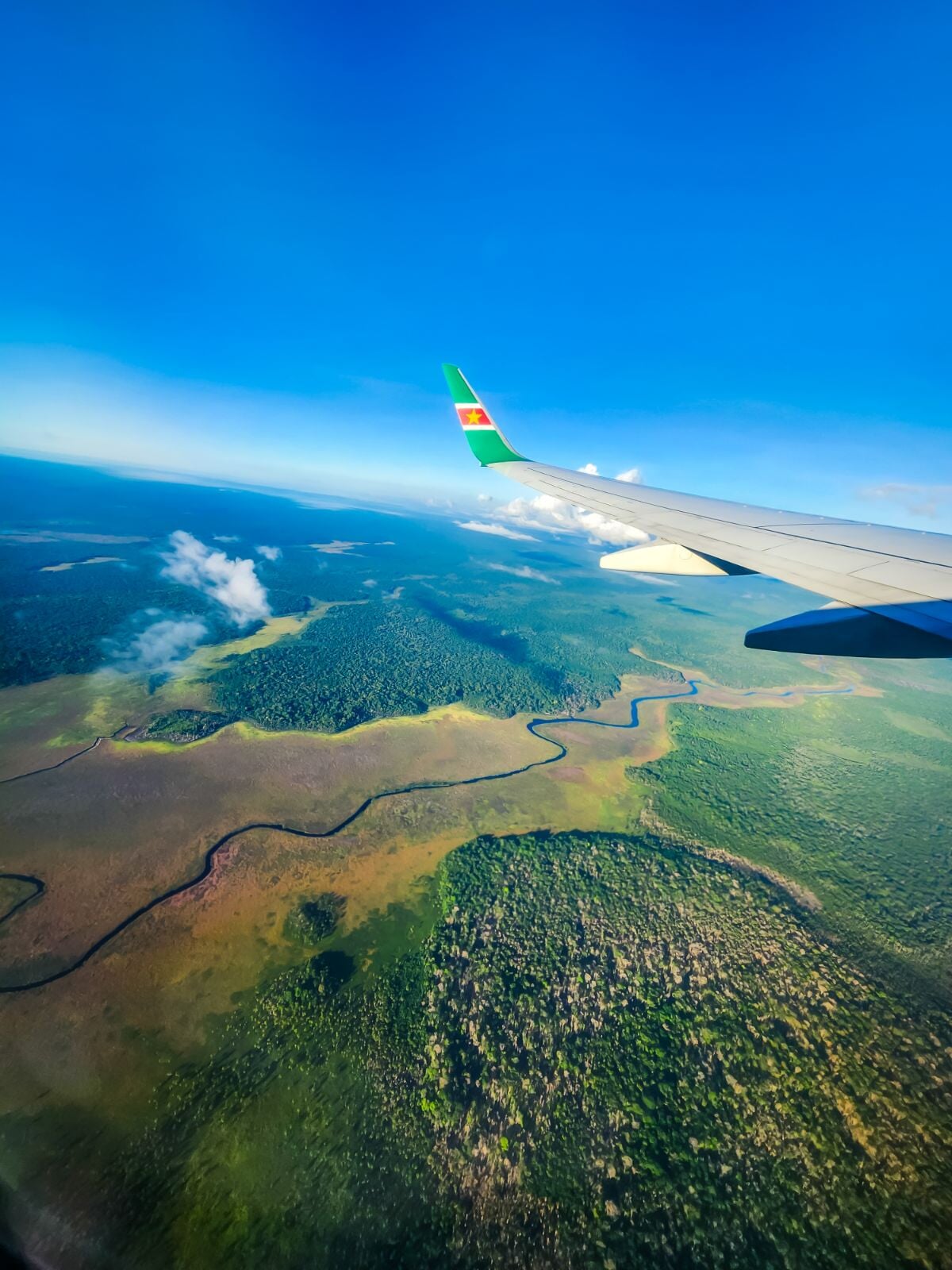
Spend your spring break exploring Suriname, one of South America's most culturally diverse and ecologically remarkable countries. From tropical rainforests and mangrove ecosystems to historic communities, working agricultural landscapes, and the vibrant capital of Paramaribo, this interdisciplinary study away experience turns Suriname into a living classroom.
Through UN3013 – Interdisciplinary Experience: Mapping Sustainability in Suriname, students will explore the connections among biodiversity, sustainability, conservation, culture, land use, and community livelihoods. The program combines experiential learning, field-based observation, geospatial and environmental methods, and direct engagement with local communities and organizations. No prior GIS or remote sensing experience is required.
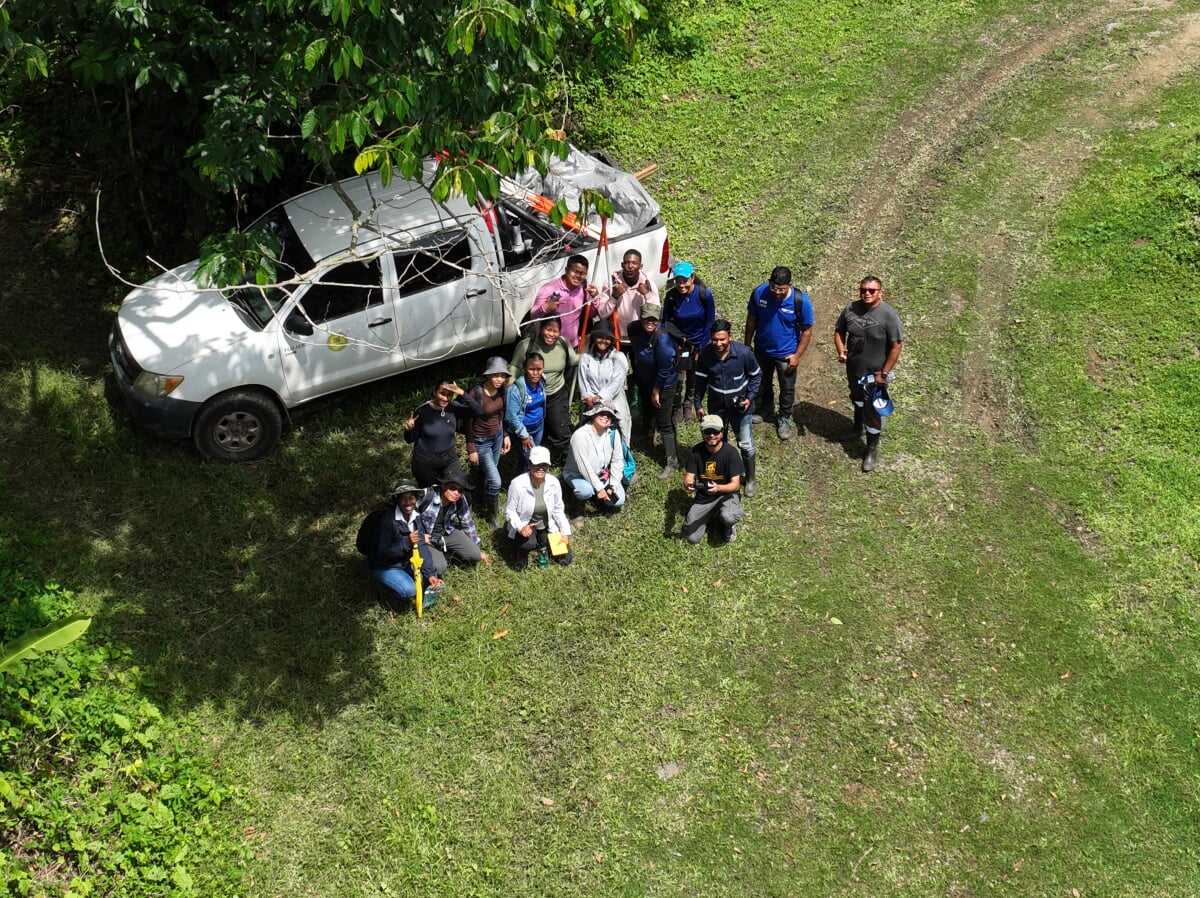
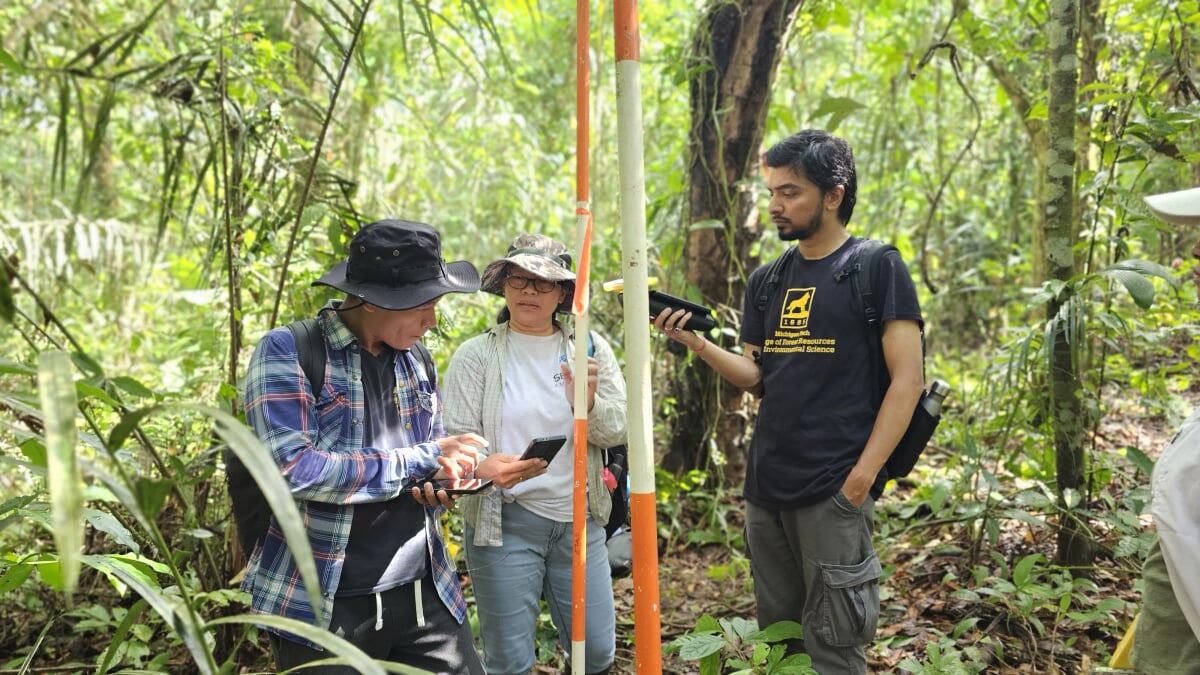
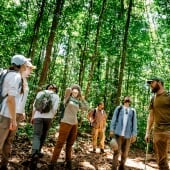
During the week, students will travel across several regions of Suriname and experience environments ranging from the tropical forests of Brownsberg Nature Reserve to the mangrove landscapes of the Commewijne District. Field activities may include GPS mapping, biodiversity observations, vegetation identification, environmental monitoring, and GIS-based field documentation while students consider how climate, land-use change, conservation, and economic development are shaping Suriname's landscapes.
The experience extends well beyond environmental science. Students will explore Suriname's history and multicultural identity at Jodensavanne, engage with Indigenous knowledge and traditions in Redi Doti, learn about sustainable agriculture and coastal ecosystems at Plantation Rust & Werk, visit the Green Heritage Fund Suriname's Sloth Rehabilitation Center, and experience the architecture, history, and cultural diversity of Paramaribo.
Working alongside faculty, local guides, community members, and environmental professionals, students will examine sustainability from multiple perspectives and consider how scientific knowledge, cultural values, conservation, and community priorities intersect. The goal is not simply to study Suriname, but to learn with and from the people and landscapes of Suriname while developing a broader understanding of sustainability in a globally important tropical region.
2027 Program Highlights
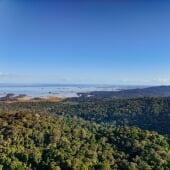
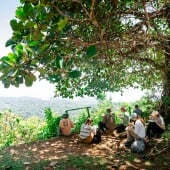
- Explore Brownsberg Nature Reserve — hike through tropical rainforest ecosystems, visit waterfalls and viewpoints overlooking the Brokopondo Reservoir, and participate in environmental and geospatial field activities focused on biodiversity, forests, and conservation.
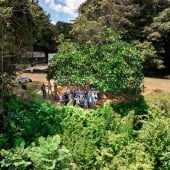
- Experience Jodensavanne and Redi Doti — examine Suriname's colonial and multicultural history at Jodensavanne and engage with Indigenous traditions, ecological knowledge, foodways, and perspectives on sustainability and land stewardship in Redi Doti.
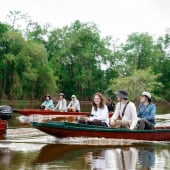
- Investigate agriculture and mangrove ecosystems in Commewijne — visit Plantation Rust & Werk to explore agricultural production, rural livelihoods, biodiversity, mangroves, coastal resilience, blue carbon, and climate adaptation.
- Learn about wildlife conservation — visit the Green Heritage Fund Suriname's Sloth Rehabilitation Center and learn about the rescue, rehabilitation, and release of sloths, anteaters, and armadillos while discussing habitat loss, human-wildlife interactions, and tropical biodiversity conservation.
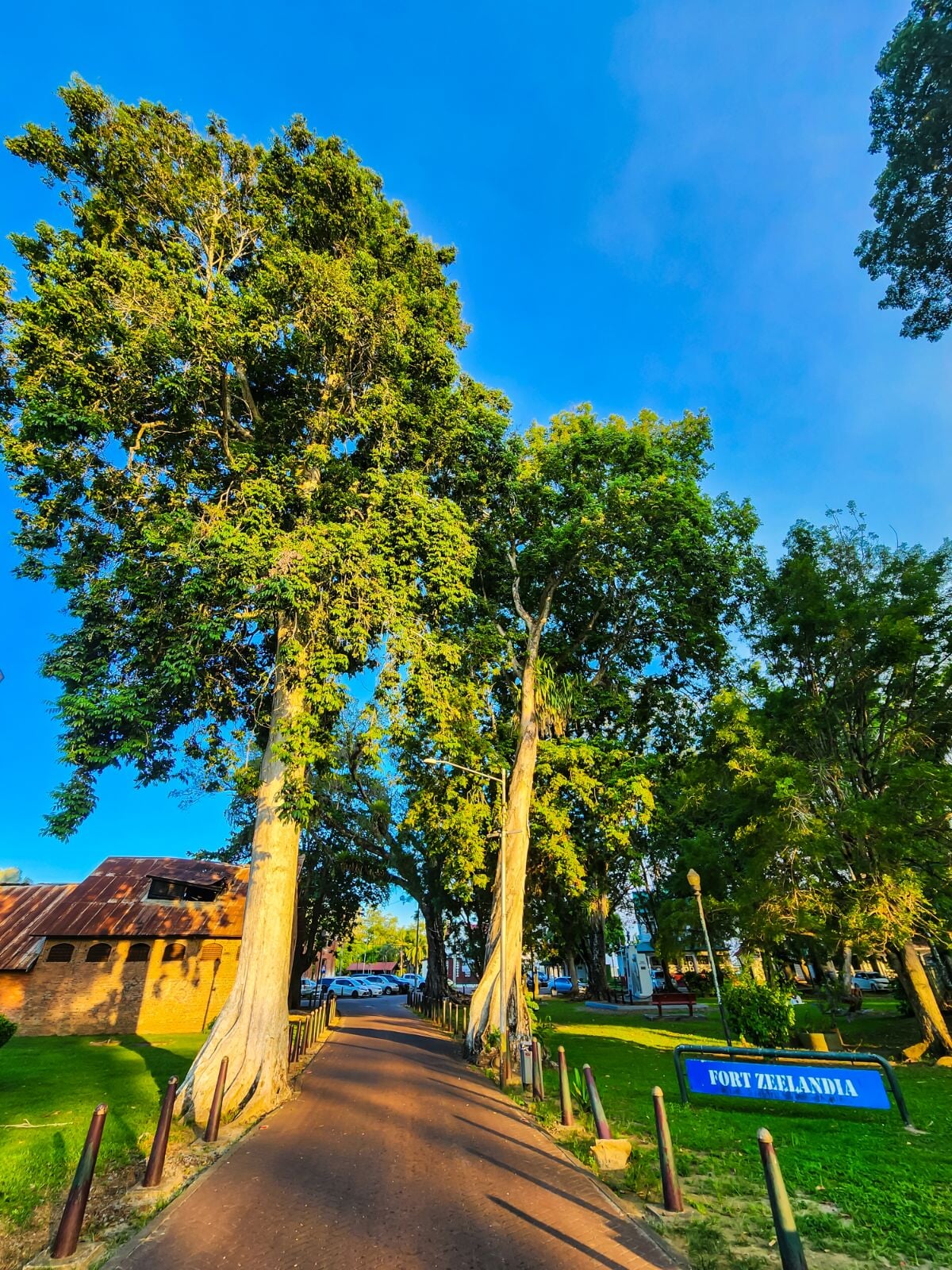
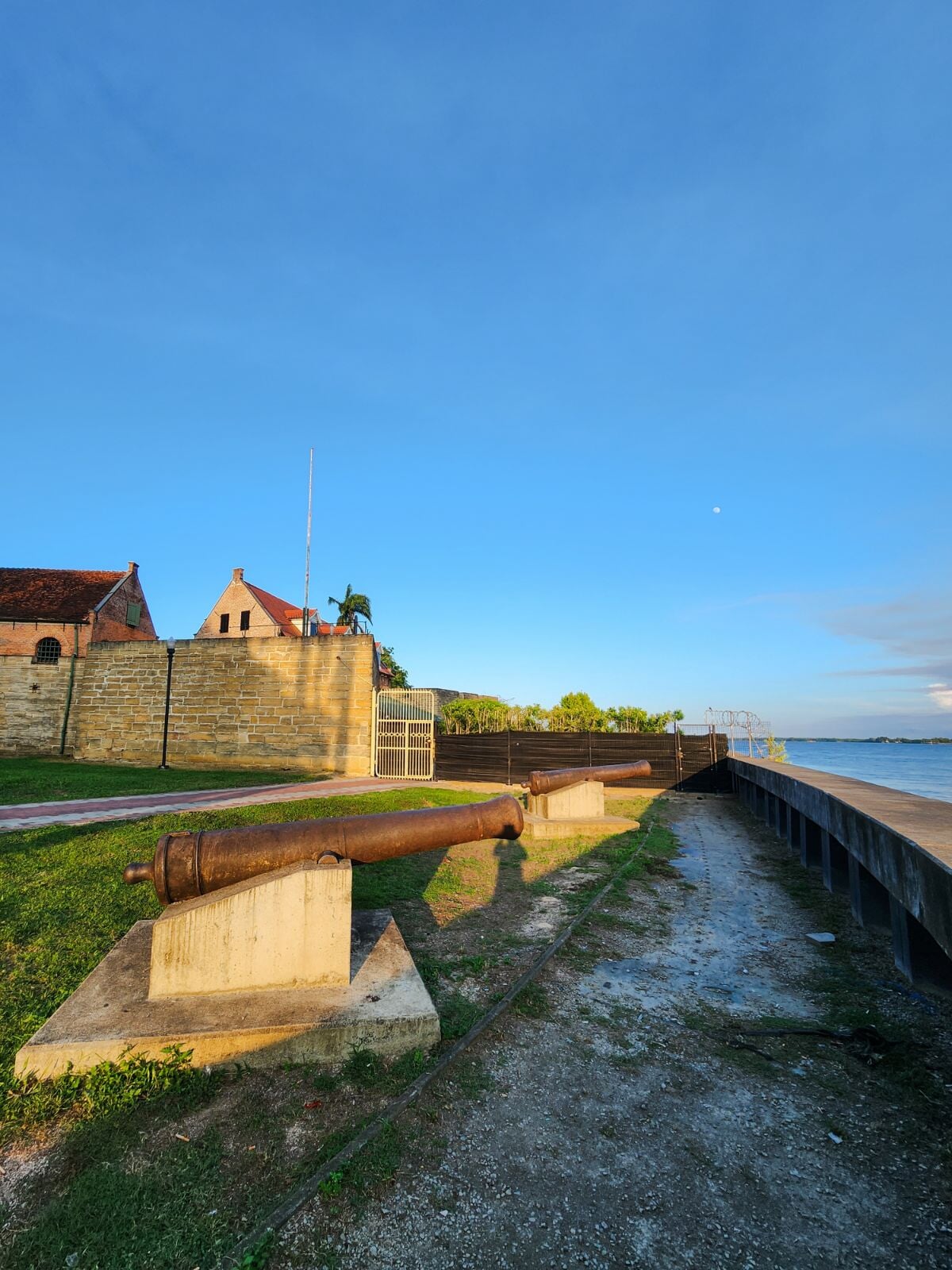
- Discover Paramaribo — explore Suriname's capital and its historic districts, architecture, cultural diversity, and major landmarks, including Fort Zeelandia, Independence Square, the Palm Garden, and Waka Pasi.
- Use Suriname as a living laboratory — connect GIS, environmental field observations, sustainability, conservation, history, culture, and community perspectives through an interdisciplinary learning experience.
Overall Learning Objectives
Upon successful completion of this course, students will be able to:
- Identify ecological, cultural, and socioeconomic factors that influence sustainability in tropical landscapes.
- Apply field observation and introductory geospatial techniques to investigate forests, mangroves, agricultural landscapes, biodiversity, and human-environment interactions.
- Examine relationships among conservation, climate change, land use, economic development, and community livelihoods.
- Compare scientific and community-based approaches to environmental stewardship and natural resource management.
- Explore how Indigenous knowledge, cultural history, and local perspectives contribute to understandings of sustainability.
- Integrate environmental, cultural, and spatial observations to develop an interdisciplinary perspective on sustainability in Suriname.
- Reflect on the value of cross-cultural collaboration and experiential learning in addressing complex environmental challenges.
Key Details
- Location: Suriname, with learning experiences in Paramaribo, Afobaka/Brokopondo, Brownsberg, Jodensavanne and Redi Doti, Commewijne, Groningen/Saramacca, and surrounding field locations.
- Program Duration: March 6–13, 2027, Michigan Tech Spring Break.
- Application Deadline: October 31, 2026.
-
Course: UN3013 – Interdisciplinary Experience: Mapping Sustainability in Suriname.
-
Program Fee: Approximately $3,893-4,352, depending on enrollment. The fee includes round-trip airfare, lodging, in-country transportation, group excursions and entrance fees, some group meals, and required travel/health insurance.
- Enrollment: Target enrollment is 12–16 students.
-
Experience Suriname as Your Classroom: Spend Spring Break 2027 exploring tropical ecosystems, learning from communities and conservation professionals, applying field and geospatial skills, and discovering how environment, culture, and sustainability intersect in one of South America's most distinctive countries.
Ready for an Unforgettable Spring Break?