A student in a harness pulling while another adjusts.
Understanding Living Systems. Improving Lives.

The most important questions facing society don't belong to a single discipline.

The School of Health, Human, and Biological Systems at Michigan Technological University brings together expertise in the biological sciences, human behavior and performance, and health professions to prepare students, advance discovery, and improve lives. Whether you're pursuing a bachelor's degree, a master's or PhD, or collaborating as a research partner, you'll join a community that values both disciplinary expertise and interdisciplinary collaboration.

Create the Future of Health, Biology, and the Human Mind

How do we improve human health? How do we design technologies that people can use safely and effectively? How do we understand the brain and behavior? How do ecosystems function in a changing world? How do discoveries in biology become new therapies, better healthcare, stronger communities, or sustainable ecosystems?

These questions exist within interconnected systems. These perspectives overlap by design. A human factors researcher may improve healthcare technology. A psychologist may study decision-making in emergency medicine. An exercise scientist may collaborate with biologists to understand human performance. A molecular biologist's discoveries may become tomorrow's medical treatments. These connections gave rise to an interwoven network of systems that all influence and adapt to each other to create a brighter future in the world of human well-being.

Explore the in-depth knowledge of biological, human, or health systems while benefiting from an interdisciplinary mindset that positions you to interact with the complexities of the real world.

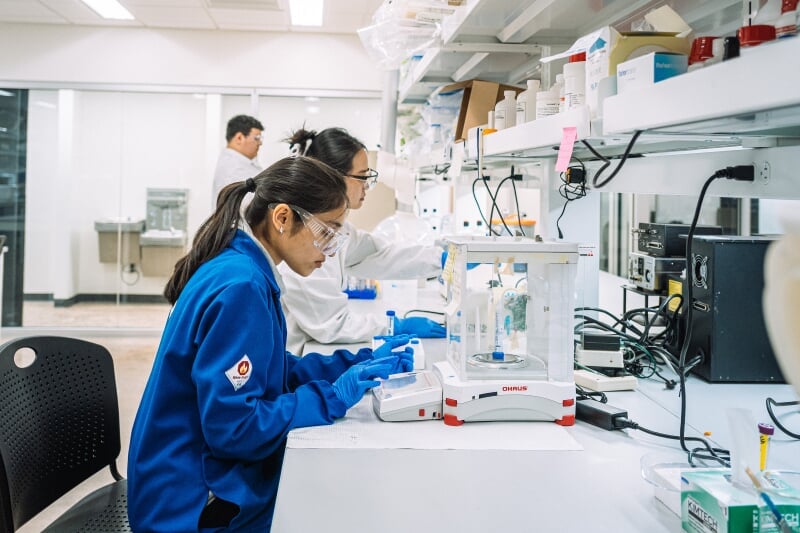
Biological Systems

Discover life from molecules to ecosystems.

Students and researchers investigate genetics, biochemistry, evolution, physiology, ecology, biodiversity, and computational biology to understand the mechanisms that shape living organisms and the environments they inhabit.

Human Systems

Understand how people think, learn, move, perform, and interact with the world around them.

Human-focused programs examine cognition, behavior, mental health, human performance, decision making, human-centered technology, and the relationships between people and complex systems.

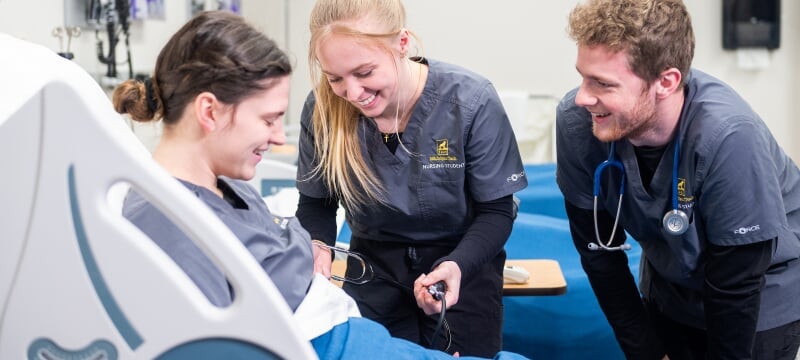
Health Systems

Apply scientific knowledge to local and global healthcare.

Improve individual and community health through prevention, diagnosis, treatment, rehabilitation, and patient care.

Students develop the clinical knowledge, technical skills, and scientific foundation needed to improve health outcomes across diverse settings and prepare for professional health programs.
Learn More
Learn More
70%acceptance into all graduate health programs
100%undergraduate students participate in research, internships, or other experiential opportunities
60%acceptance into medical school (over 20 percent higher than the national average)

Research That Connects Disciplines

Discovery is central to who we are.

Our faculty and students pursue research spanning the biological, human, and health sciences while working across disciplinary boundaries to address complex scientific and societal challenges. Students benefit from Michigan Tech's collaborative research culture, access to modern laboratories and field environments, and partnerships that extend across engineering, computing, environmental science, health systems, and industry.

Research areas include:

  • Molecular and cellular biology
  • Ecology, evolution, and environmental systems
  • Neuroscience and cognition
  • Human decision-making and behavior
  • Human factors, usability, and human-AI interaction
  • Exercise physiology and human performance
  • Clinical and translational health research
  • Community and population health

Undergraduate students begin contributing to research early in their academic careers through faculty laboratories, field experiences, and independent projects. Graduate students lead original research that advances knowledge within their disciplines while collaborating across the school and the university.

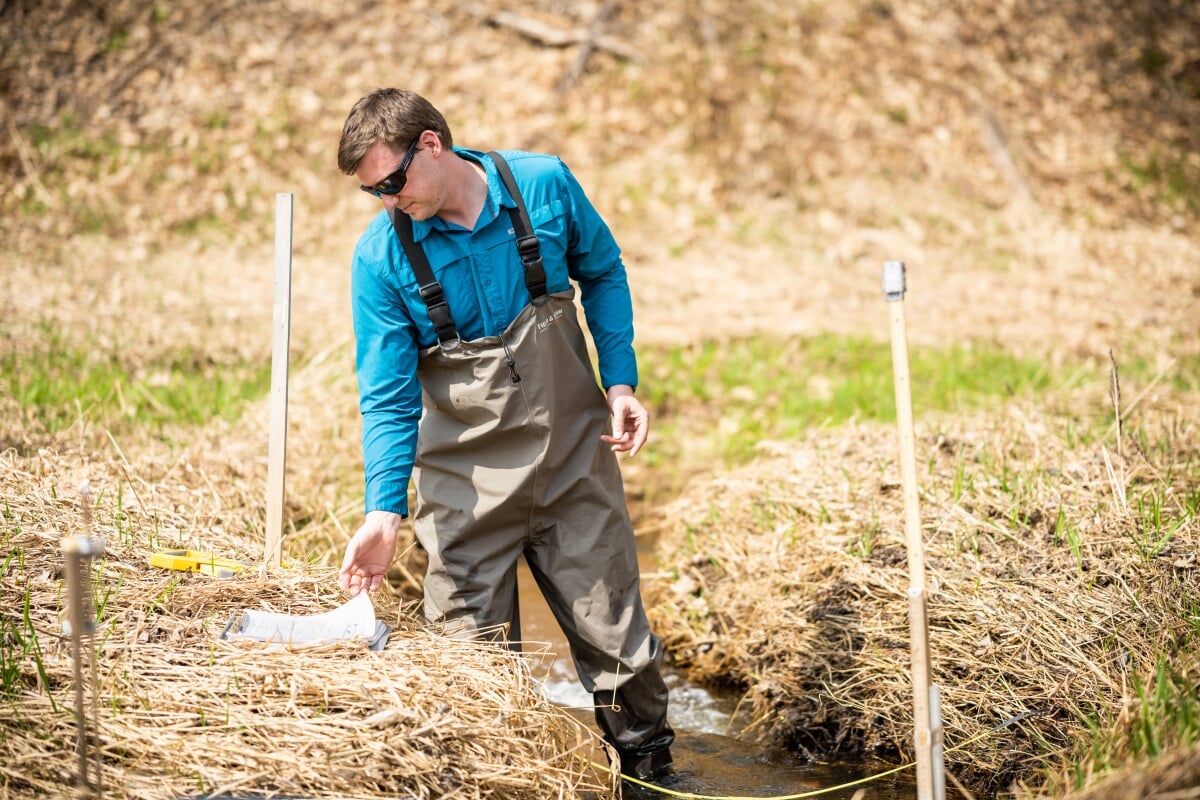
Whether collecting ecological data in the field, studying memory and decision making in a laboratory, designing safer healthcare technologies, analyzing human movement, or investigating the biological basis of disease, students work alongside faculty to generate new knowledge with real-world impact.

Two students with a microscope
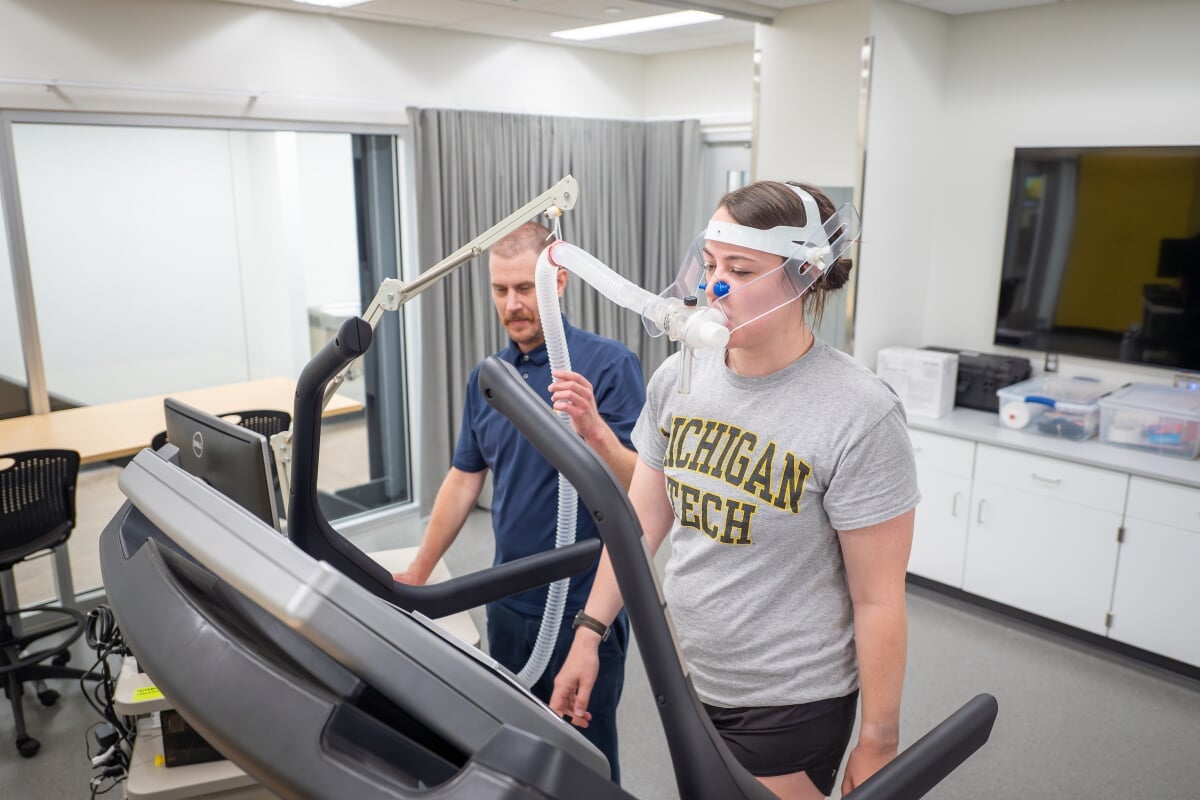
Student on treadmill with breathing apparatus, researcher looking on.
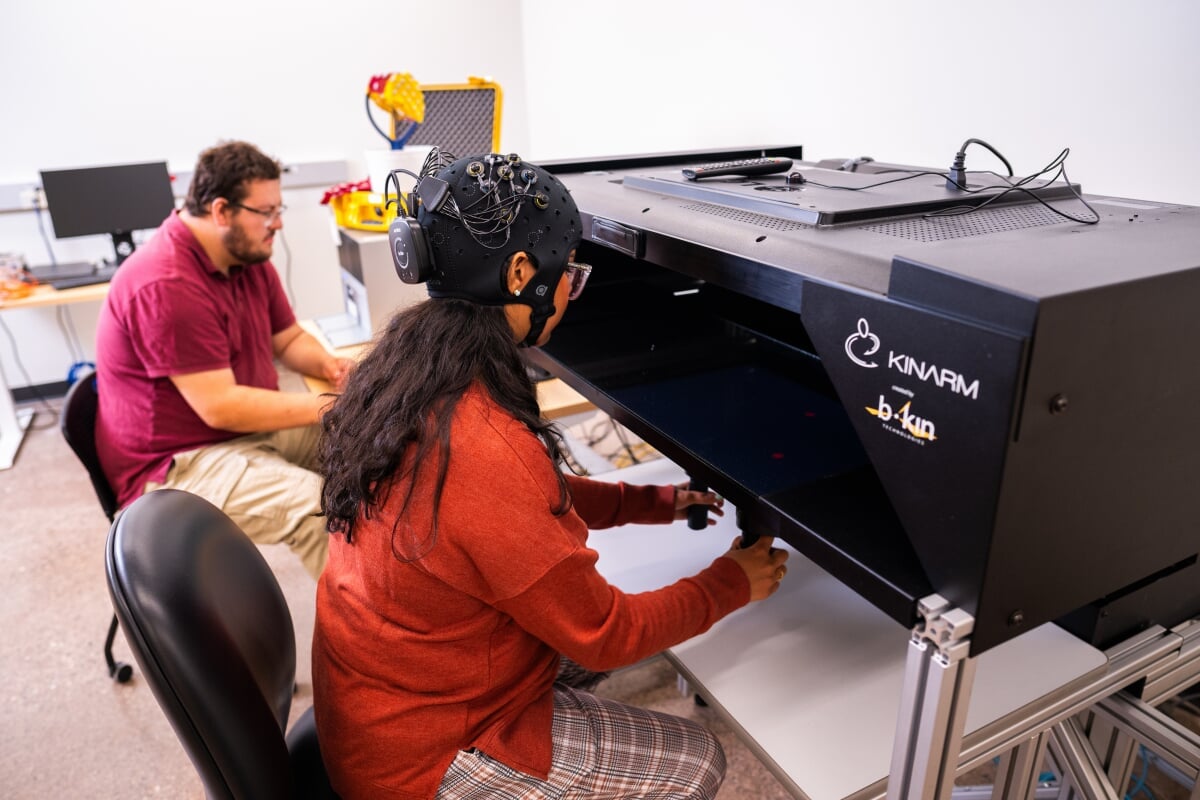
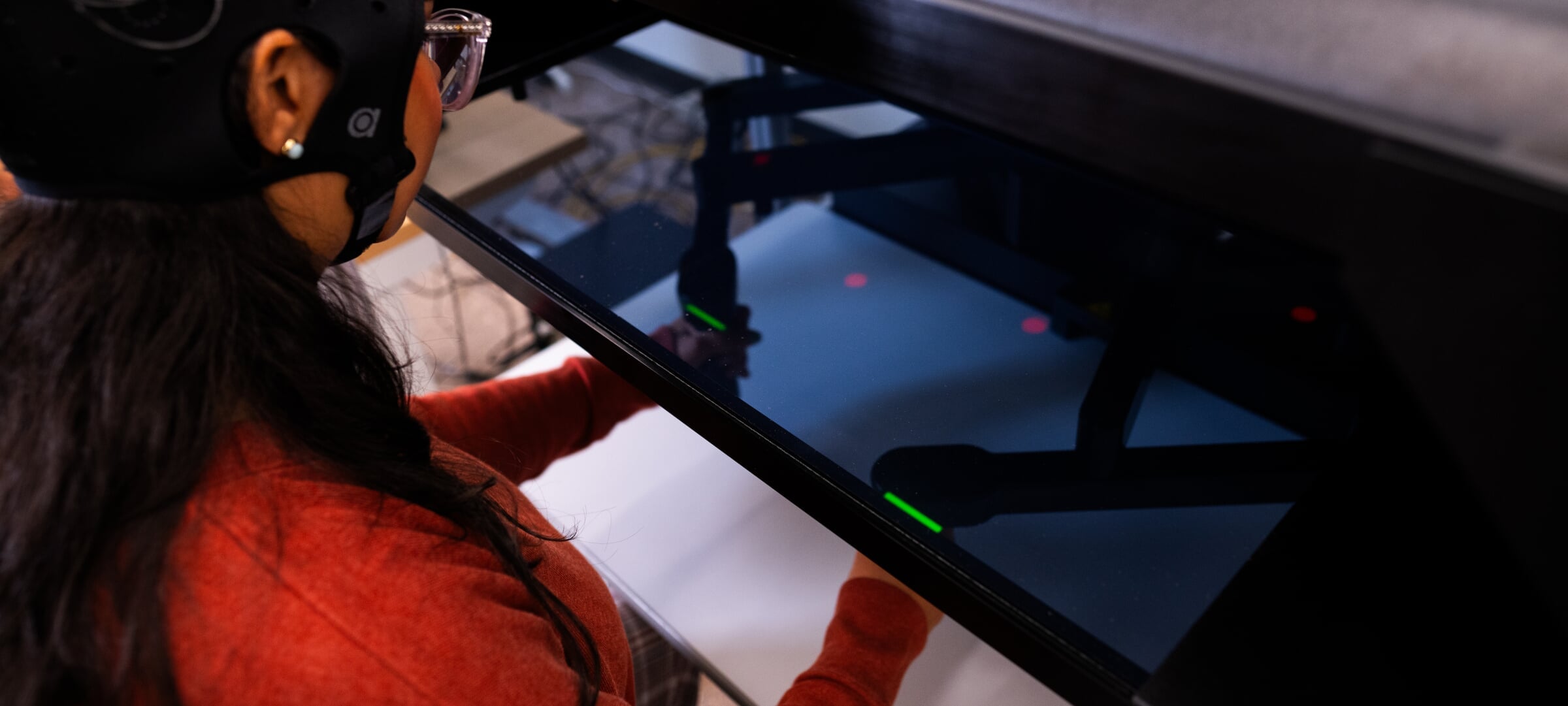
Student using human interaction machine with researcher looking on.

Learn Through Experience

Students strengthen their classroom learning through experiences that prepare them for graduate education and professional careers.

  • Research Experiences: Participate in faculty-led research, independent scholarship, laboratory investigations, field studies, and interdisciplinary research teams.
  • Clinical, Internship, and Professional Experiences: Students gain practical experience through clinical placements, psychology internships, field experiences, healthcare partnerships, industry collaborations, and community organizations.
  • Enterprise and Collaborative Projects: Michigan Tech's Enterprise Program brings together students from multiple disciplines to solve real-world challenges for industry, healthcare organizations, and government partners.
  • Community and Field Engagement: From ecological field stations and conservation projects to emergency medical training, community health initiatives, and user-centered design projects, students learn by working directly with the communities and systems they hope to improve.

Far-reaching Discoveries

Our master's and doctoral students work closely with faculty mentors while contributing to externally funded research, interdisciplinary collaborations, and scholarly discovery.

Graduate opportunities span the breadth of the school, including programs in:

  • Biological Sciences
  • Biochemistry and Molecular Biology
  • Applied Cognitive Science and Human Factors
  • Kinesiology and Integrative Physiology
  • and other advanced areas of study that prepare graduates for leadership in academia, industry, healthcare, and government

Students benefit from Michigan Tech's collaborative research culture, access to modern laboratories and field environments, and partnerships that extend across engineering, computing, environmental science, health systems, and industry.

Preparing Leaders Across Every Stage of Discovery

Graduates from the School of Health, Human, and Biological Systems pursue careers wherever these systems intersect. Our graduates become:

  • Scientists advancing research in academia, government, biotechnology, and industry
  • Healthcare professionals improving patient care through nursing, medical laboratory science, medicine, dentistry, physician assistant studies, physical therapy, occupational therapy, pharmacy, and other clinical professions
  • Psychologists, counselors, social workers, neuroscientists, and behavioral scientists improving individual and community well-being
  • Human factors professionals, UX researchers, ergonomists, and systems designers creating technologies that work better for the people they serve
  • Exercise scientists and performance specialists supporting health, rehabilitation, sport, and wellness
  • Ecologists, evolutionary biologists, conservation scientists, and environmental professionals developing and using data-informed decisions to protect natural resources and ecosystems.
  • Leaders in government, public service, law enforcement, policy, and law who apply scientific thinking to complex societal challenges
Many graduates continue into competitive master's, doctoral, and professional degree programs, while others enter rewarding careers immediately after graduation.

Join a Community of Discovery

Whether you're exploring biology at the molecular level, studying the human mind, improving athletic performance, designing technologies around human needs, protecting ecosystems, advancing patient care, or pursuing interdisciplinary research, you'll find a community committed to understanding living systems and applying knowledge to improve lives.