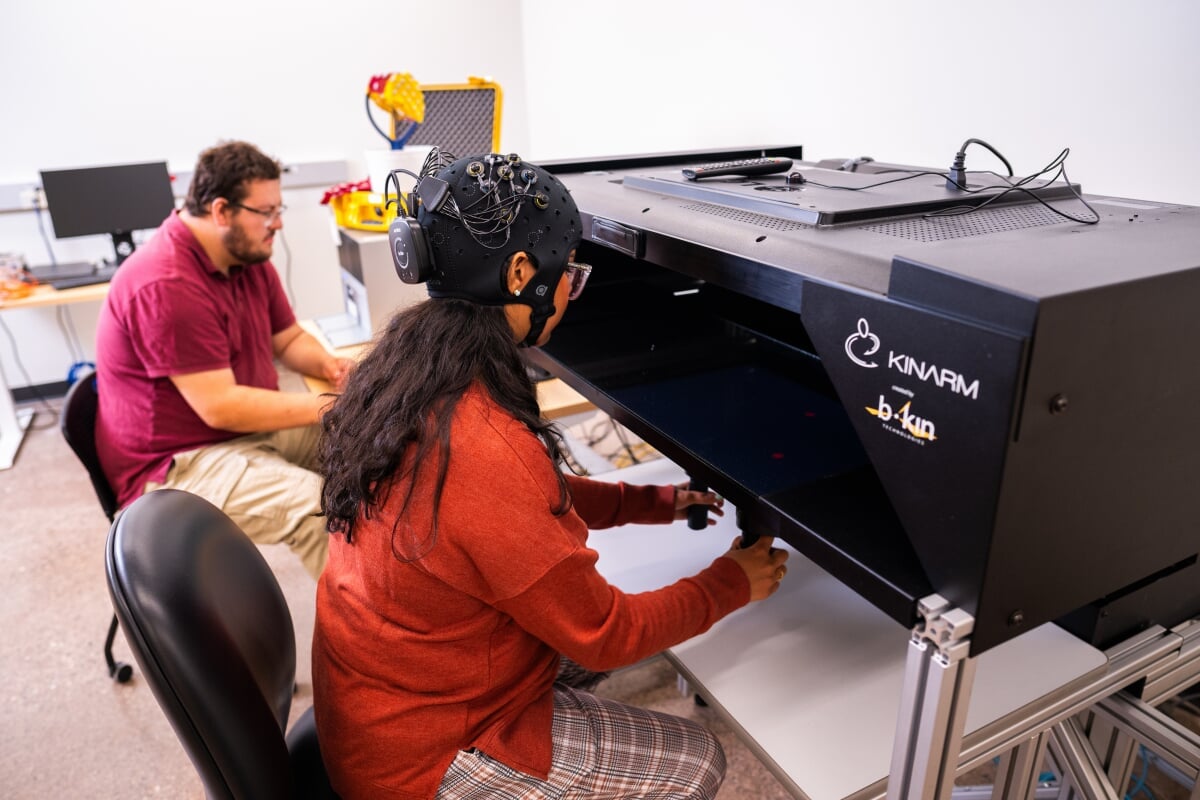
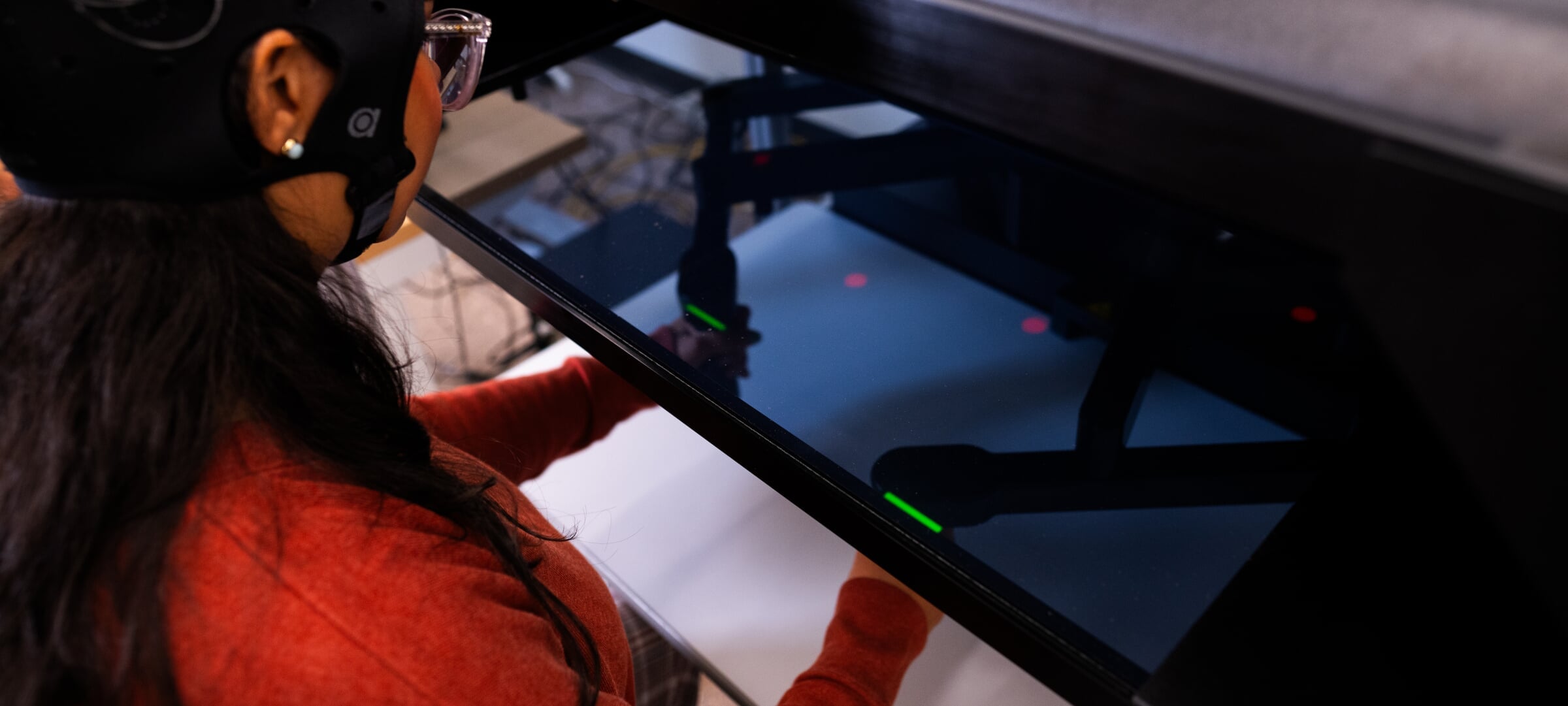
The School of Health, Human, and Biological Systems at Michigan Technological University brings together expertise in the biological sciences, human behavior and performance, and health professions to prepare students, advance discovery, and improve lives. Whether you're pursuing a bachelor's degree, a master's or PhD, or collaborating as a research partner, you'll join a community that values both disciplinary expertise and interdisciplinary collaboration.
Create the Future of Health, Biology, and the Human Mind
How do we improve human health? How do we design technologies that people can use safely and effectively? How do we understand the brain and behavior? How do ecosystems function in a changing world? How do discoveries in biology become new therapies, better healthcare, stronger communities, or sustainable ecosystems?
These questions exist within interconnected systems. These perspectives overlap by design. A human factors researcher may improve healthcare technology. A psychologist may study decision-making in emergency medicine. An exercise scientist may collaborate with biologists to understand human performance. A molecular biologist's discoveries may become tomorrow's medical treatments. These connections gave rise to an interwoven network of systems that all influence and adapt to each other to create a brighter future in the world of human well-being.
Explore the in-depth knowledge of biological, human, or health systems while benefiting from an interdisciplinary mindset that positions you to interact with the complexities of the real world.
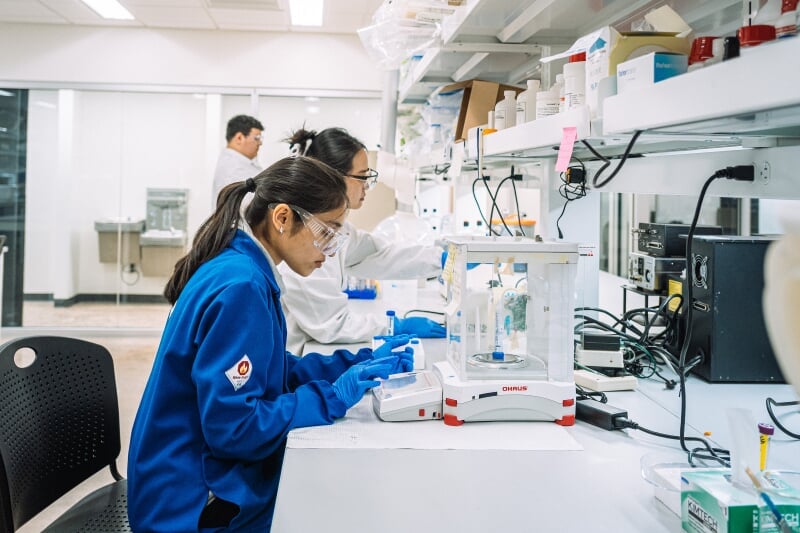
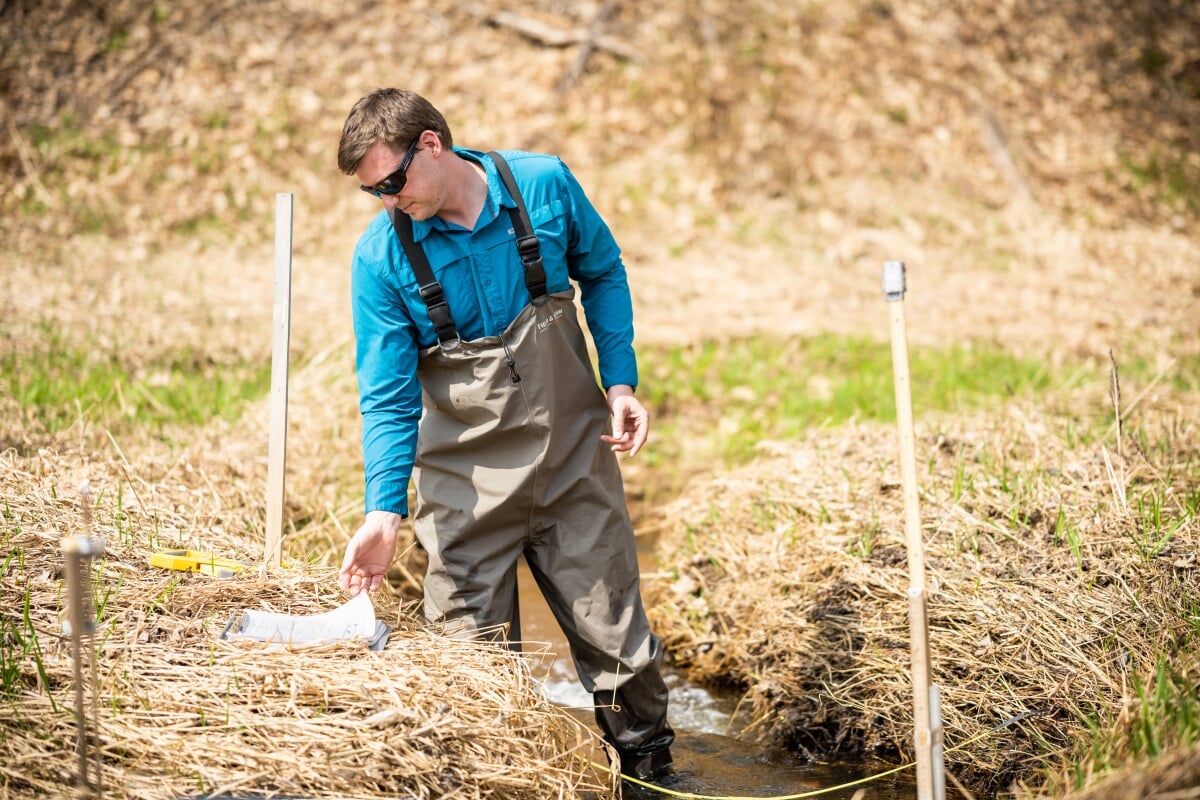
Biological Systems
Discover life from molecules to ecosystems.
Students and researchers investigate genetics, biochemistry, evolution, physiology, ecology, biodiversity, and computational biology to understand the mechanisms that shape living organisms and the environments they inhabit.
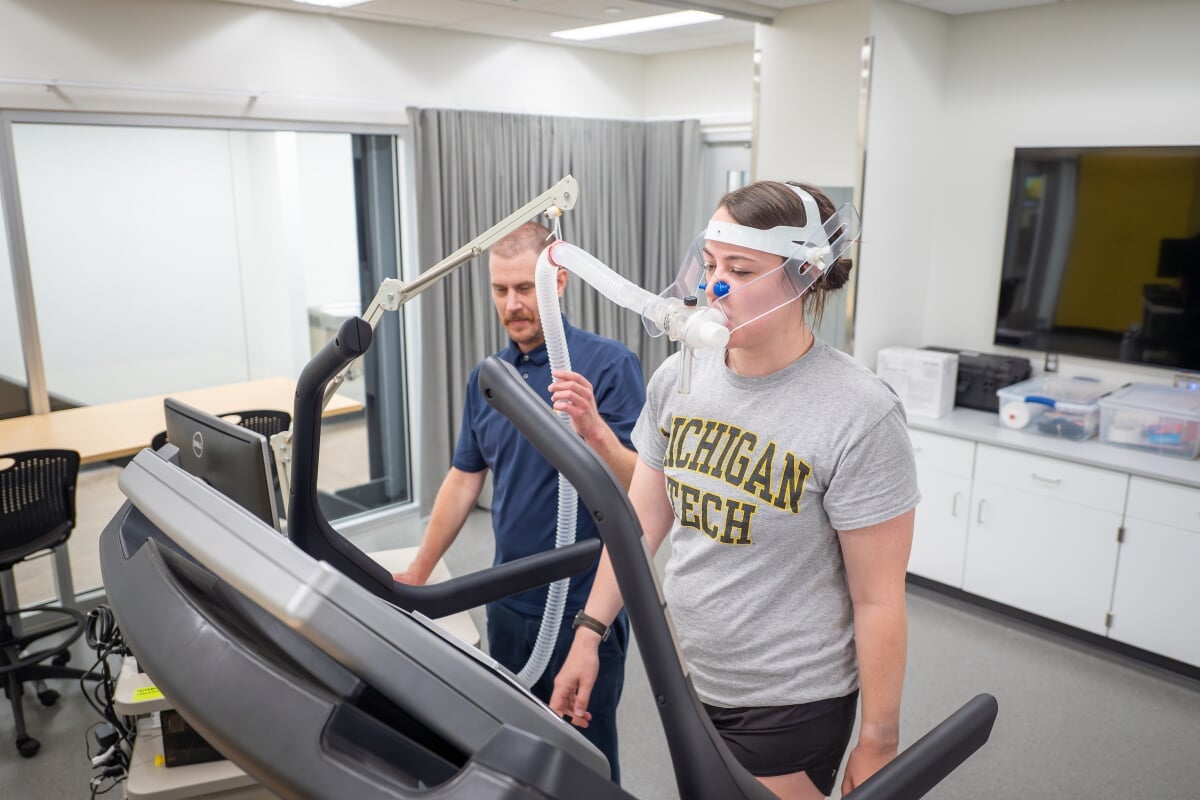
Human Systems
Understand how people think, learn, move, perform, and interact with the world around them.
Human-focused programs examine cognition, behavior, mental health, human performance, decision making, human-centered technology, and the relationships between people and complex systems.
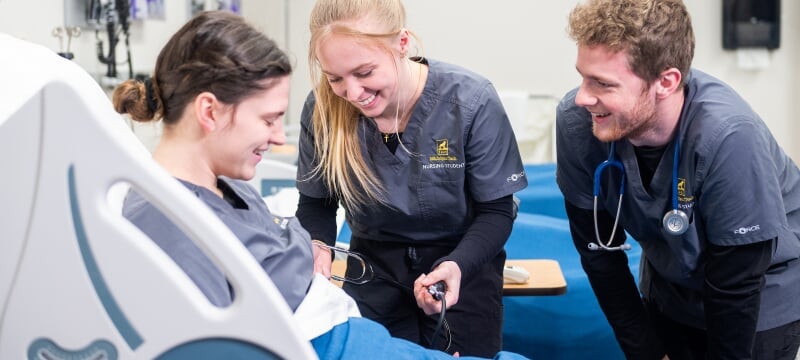
Health Systems
Apply scientific knowledge to local and global healthcare.
Improve individual and community health through prevention, diagnosis, treatment, rehabilitation, and patient care.
Students develop the clinical knowledge, technical skills, and scientific foundation needed to improve health outcomes across diverse settings and prepare for professional health programs.