
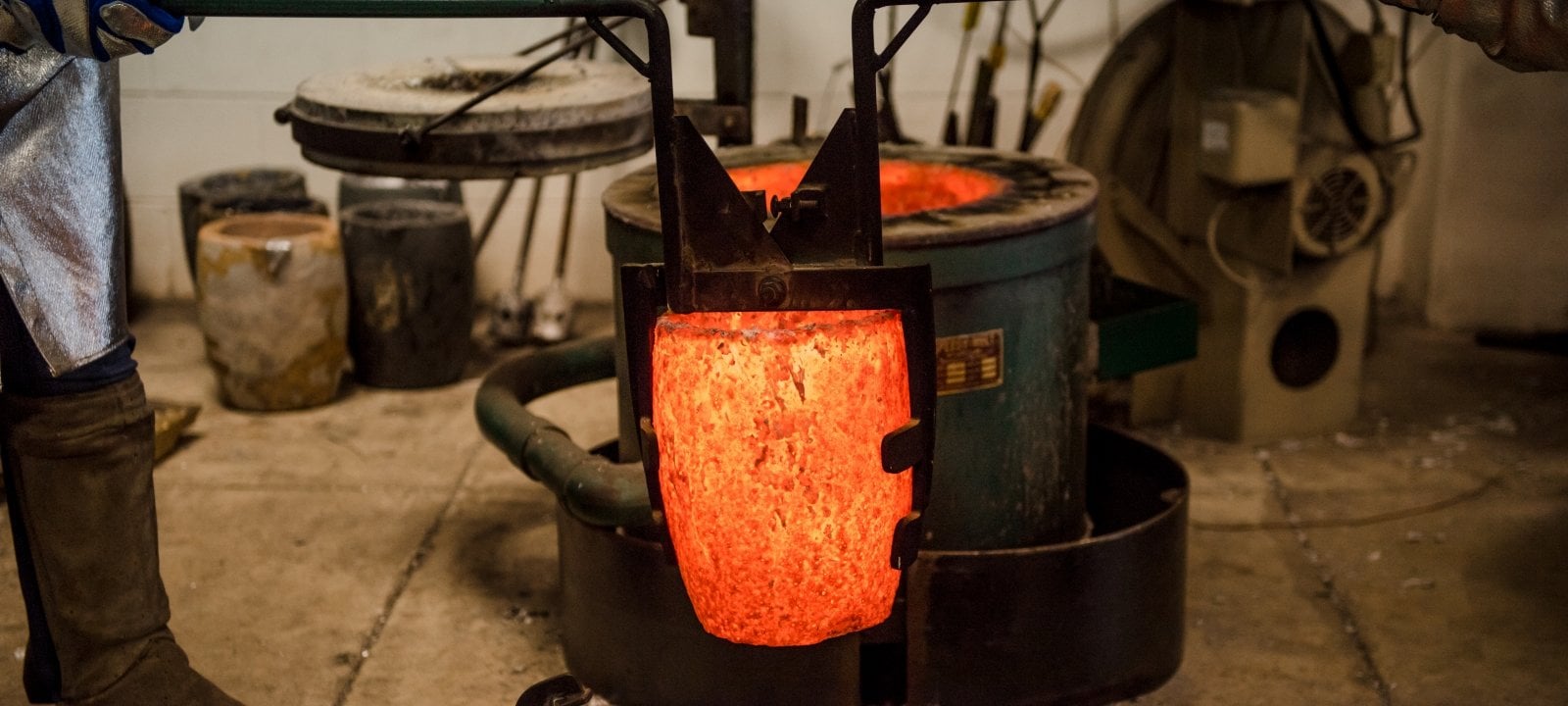
Why does one material bend, another crack, and a third conduct electricity? The answers often lie in how a material is made and what happens inside it. Materials Science and Engineering melds together synthesis and processing, structure, properties, and applications of engineering materials. Michigan Tech’s MS in Materials Science and Engineering takes you deeper into the relationships among processing, structure, properties, and performance.
The Accelerated Master's Program is available for current Michigan Tech students.
Who Is This Program For?
If you’re interested in why materials behave as they do—and how engineers and scientists can change that behavior—this program may be right for you. You may want to pursue the MS or PhD in Materials Science and Engineering if you'd like to investigate metals, alloys, ceramics, polymers, or functional materials; study experimental characterization and materials processing; or connect materials science with engineering design and decisions.
What You'll Study
Study how materials are synthesized, processed, characterized, and used. You can investigate metals and alloys, ceramics, polymers, and materials with electronic, magnetic, or optical properties. You'll research how processing and structure influence behavior: by understanding those relationships, you can examine why a material performs as it does and how its properties might be changed. Both our master's and doctoral in materials science and engineering are inherently interdisciplinary— you'll interact and collaborate with students and researchers in other engineering and science disciplines.
Where You'll Apply Your Knowledge and Skills
Apply your knowledge to selecting materials, investigating why components fail, measuring material properties through characterization, and determining which processing methods best suit an engineering application. Your work can help improve product performance, refine manufacturing processes, or develop new structural and functional materials. Potential workplaces include materials producers, manufacturing facilities, testing laboratories, and research and development teams in the automotive, aerospace, electronics, consumer products, and defense industries.
-
Delivery Options
- Accelerated: MS
- On-Campus: MS, PhD
Materials Science and Engineering Program Details
Choose a specific degree option or delivery type to learn more about the materials science and engineering program at Michigan Tech. For international students, Materials Science and Engineering is a designated STEM program.
On-Campus Programs
Additional Program Information
Want to learn more about materials science and engineering at Michigan Tech? Visit the department for more information:
Sample Areas of Interest
Select areas of interest to help customize your materials and science engineering MS and PhD. Sample areas include:
- Solar Cells
- Ceramic Engineering
- Biomaterials
- Foundry