
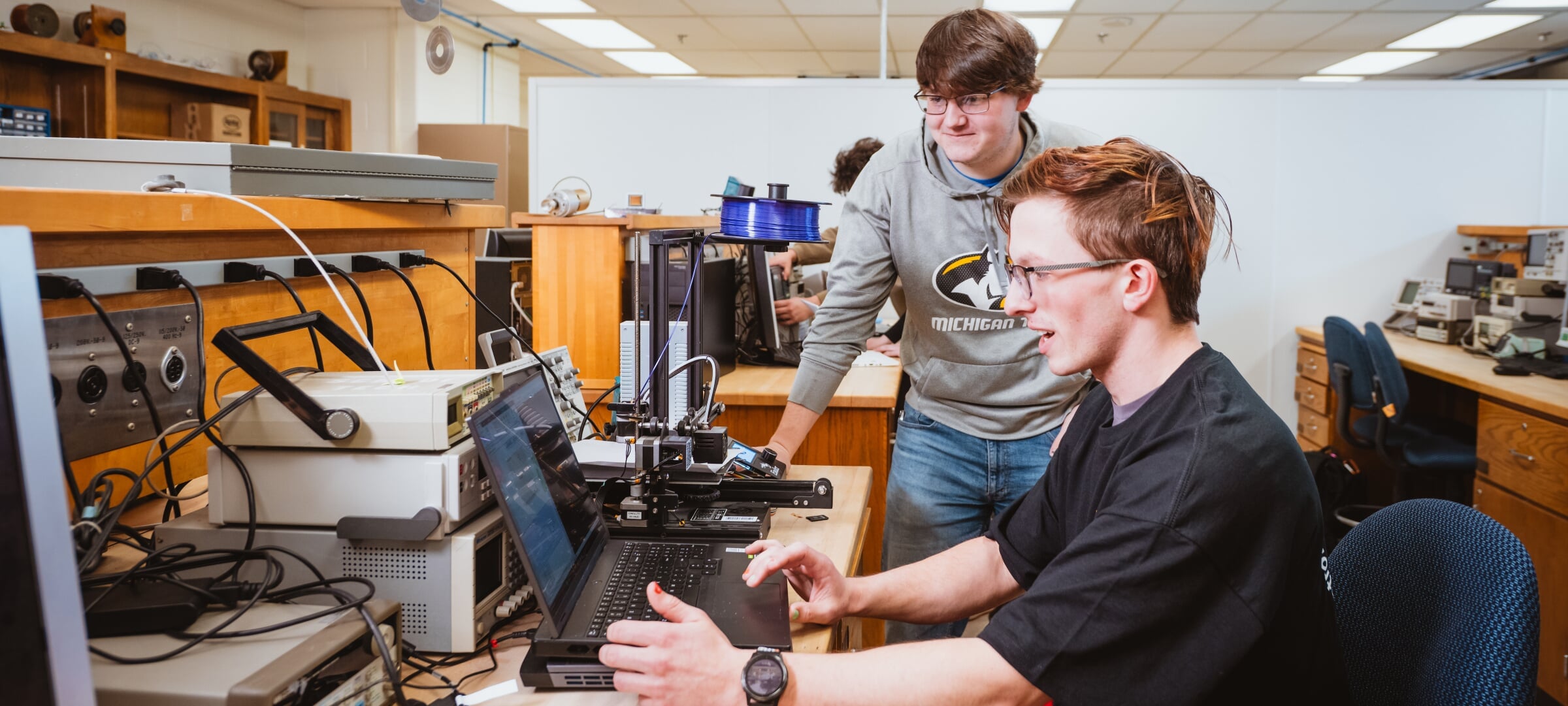
Computing principles are increasingly important in fields far beyond computer science. Michigan Tech’s MS in Applied Computer Science is designed for students who want to bring advanced computing knowledge to problems in an application area, including those whose undergraduate education is in another discipline. The degree connects computing concepts with the practical work of designing, developing, and evaluating technical solutions.
The Accelerated Master's Program is available for current Michigan Tech students.
Who is This Program For?
This program may suit students whose interests lie in applying computing to another field rather than studying computing in isolation. It is particularly relevant if you want to connect programming and computational methods with an established disciplinary interest; design or evaluate software-based approaches to technical questions; and strengthen computer science foundations for interdisciplinary problem-solving.
What You'll Study
Advanced computing study provides a foundation for applying computer science principles to demanding problems in other disciplines. Explore computing concepts, their implementation, and the ways software and computational systems can be adapted to an application domain. The MS has both report and coursework paths, allowing different ways to organize approved graduate study.
Where You'll Apply Your Knowledge and Skills
You can apply advanced computer science knowledge to developing specialized software, adapting algorithms, analyzing technical data, or evaluating the performance of computational systems.
These skills translate to software and computational research groups in many industries. IBM Research and Argonne National Laboratory are examples of organizations working with advanced computing and technical data, alongside engineering firms and software developers that need specialized computational tools.
-
Delivery Options
- Accelerated: MS
- On-Campus: MS
Applied Computer Science Program Details
Choose a specific degree option or delivery type to learn more about the applied computer program at Michigan Tech. For international students, Applied Computer Science is a designated STEM program.
On-Campus Programs
Additional Program Information
Want to learn more about applied computer science at Michigan Tech? Visit the department for more information:
Sample Areas of Interest
Select areas of interest to help customize your applied computer science MS. Sample areas include:
- Applied Computer Science