
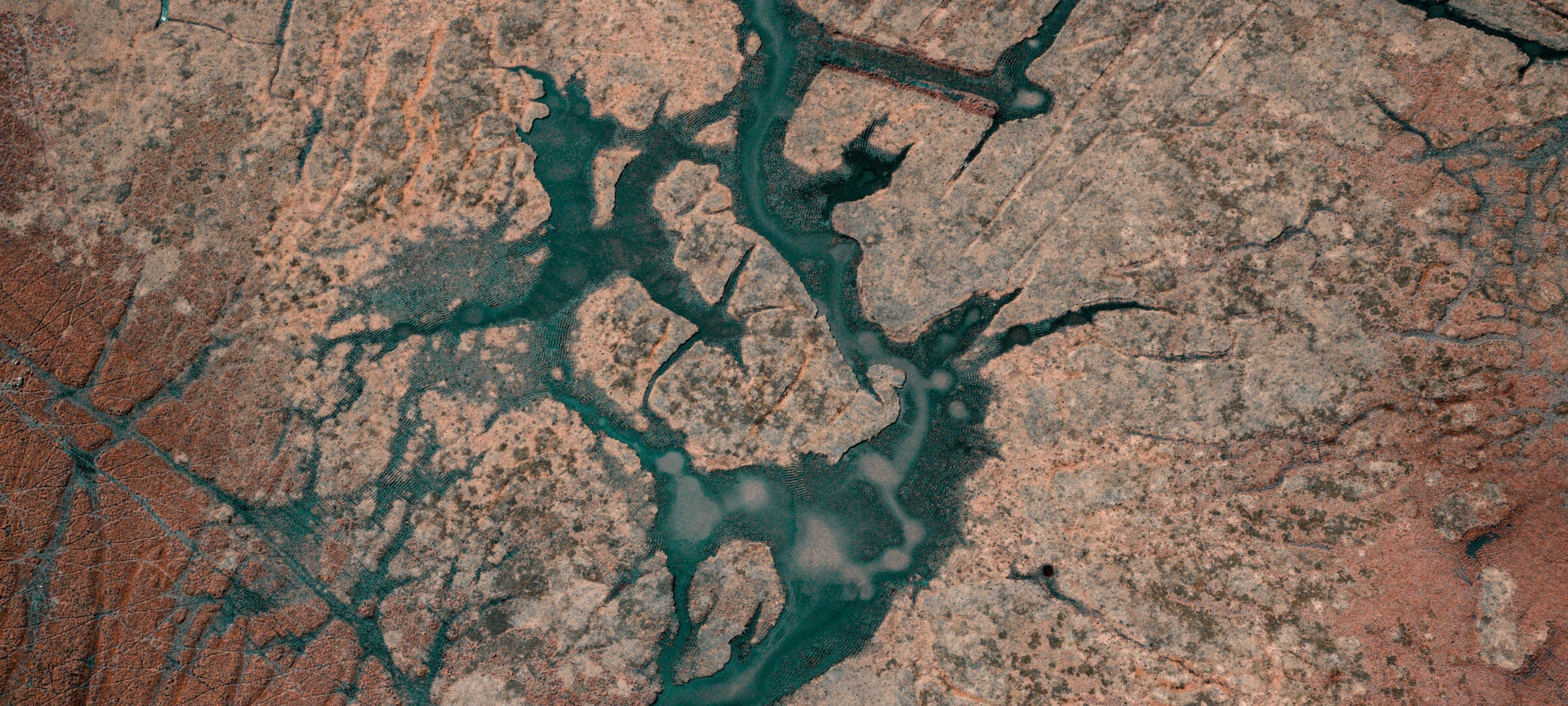
Turn Spatial Data Into Strategic Decisions With MTU's Online Master of Geographic Information Science.
Geographic Information Science (GI Science) is the study and application of location-based data: how geographic information is collected, structured, analyzed, visualized, and used to understand patterns, relationships, and change across space and time.
GI Science is an interdisciplinary field that brings together geography, computer science, statistics, remote sensing, cartography, spatial modeling, and field-based knowledge. It turns maps, satellite imagery, drone data, GPS observations, and other spatial information into evidence for real-world decision-making.
Why Does GI Science Matter?
Natural resource challenges are definitely geospatial challenges. Where is forest health declining? Which wetlands are most vulnerable? How is wildfire risk changing? Where should restoration, monitoring, or conservation efforts begin?
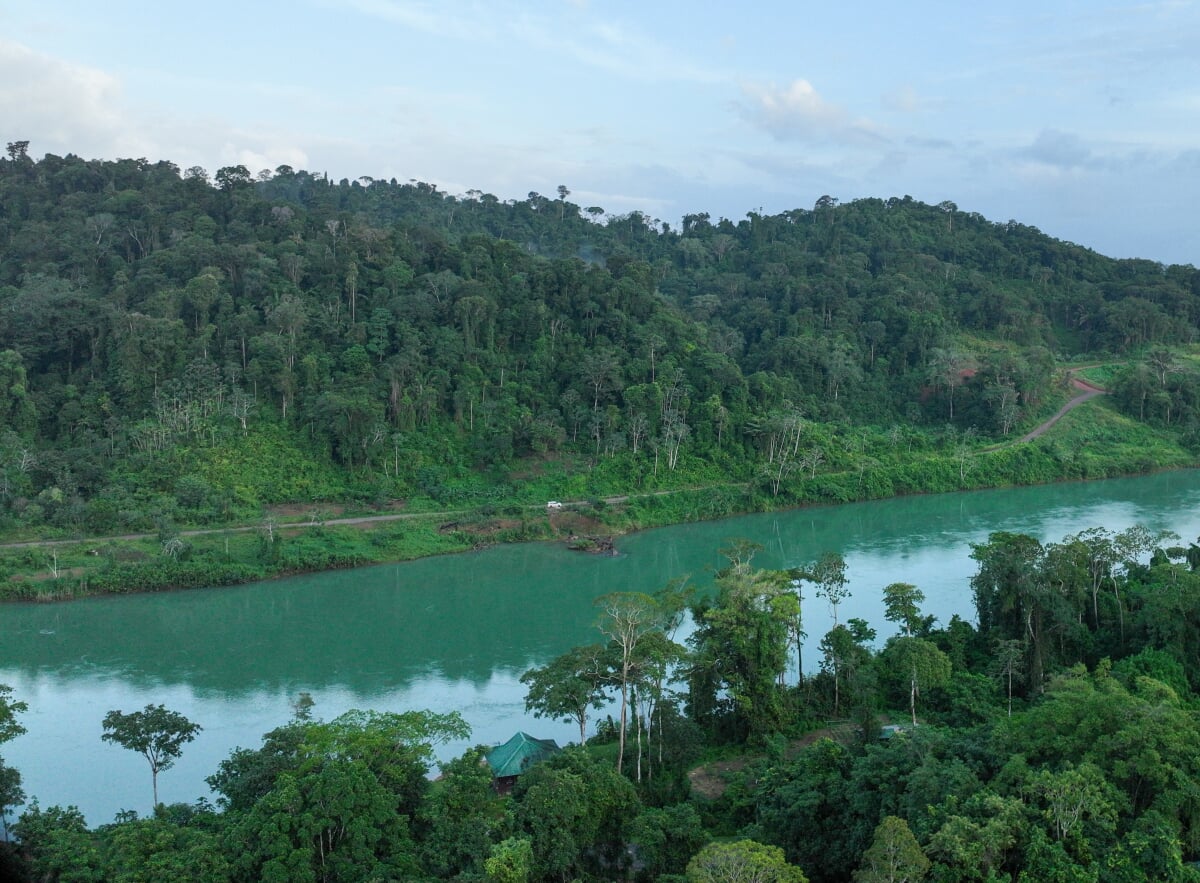
Michigan Tech’s Online MGIS degree gives professionals the methods and tools to answer questions like these with data, context, and confidence.
This degree, designed for professionals who want to do more than make maps, will help you collect, manage, analyze, visualize, and communicate spatial data. You'll gain the knowledge, skills, and tools to assist people and organizations in making better decisions about forests, water, wildlife, land use, climate risk, infrastructure, and environmental change.
Stack Three Certificates Into One Applied MGIS Degree.
MTU's online MGIS is a coursework-based degree that is flexible enough to fit around your job, field seasons, family responsibilities, and professional goals. This graduate degree is built on three focused, stackable certificates, each one strengthening a different part of your geospatial toolkit: foundational spatial analysis, advanced GIS workflows, and remote sensing for environmental and natural resource applications.
1. Foundations in GI Science
Start with the core. Build practical GIS skills in spatial analysis, map-making, GPS field techniques, and natural resource applications.
- GIS and spatial analysis
- Cartography and visualization
- GPS data collection and management
2. Advanced GI Science
Move from user to problem-solver. Strengthen your ability to automate workflows, manage geodatabases, analyze complex datasets, and design professional GIS projects.
- Python for modern GIS
- Advanced spatial analysis
- GIS project management
3. Remote Sensing
See change at scale. Learn to use satellite, aircraft, drone, and sensor data to monitor landscapes, classify imagery, evaluate environmental change, and support resource decisions.
- Remote sensing principles
- Digital image processing
- Geospatial research and applications
Students should still work with an advisor to confirm course sequencing, prerequisites, and the best path for their background and goals.
What Will You Learn in the Online MGIS Degree?
You will develop a graduate-level geospatial toolkit that moves from foundational GIS concepts to advanced analysis, automation, project design, and remote sensing. The practical, rigorous curriculum emphasizes applied work, industry-standard tools, and natural resource problems that require spatial thinking.
Build In-demand Core Skills.
- Analyze spatial patterns and relationships in natural resource data.
- Create maps and visualizations that support professional decision-making.
- Use GPS and field data within broader GIS workflows.
- Apply Python to automate common geospatial tasks.
- Build and manage geodatabases and spatial datasets.
- Use remote sensing and digital image processing to monitor environmental change.
- Design, execute, and communicate GIS projects from start to finish.
Work With Advanced Methods and Tools.
- Python scripting for GIS workflows
- GPS field techniques
- Cartographic design and map communication
- Geodatabase design and data management
- Satellite, drone, and sensor-based imagery
- Digital image classification, enhancement, transformation, and accuracy assessment
Why Earn Your Online Master of GIS at Michigan Tech?
Stack Credentials as You Go.
Earn focused certificates while progressing toward the master’s degree. This structure gives you milestones, flexibility, and marketable skills.
Study Applied Natural Resource Problems.
Work with GIS and remote sensing methods used in forestry, conservation, environmental monitoring, watershed planning, land management, and resource decision-making.
Learn Online Without Pausing Your Career.
Study from wherever you are while building skills you can apply immediately in your current role, project, agency, company, or community.
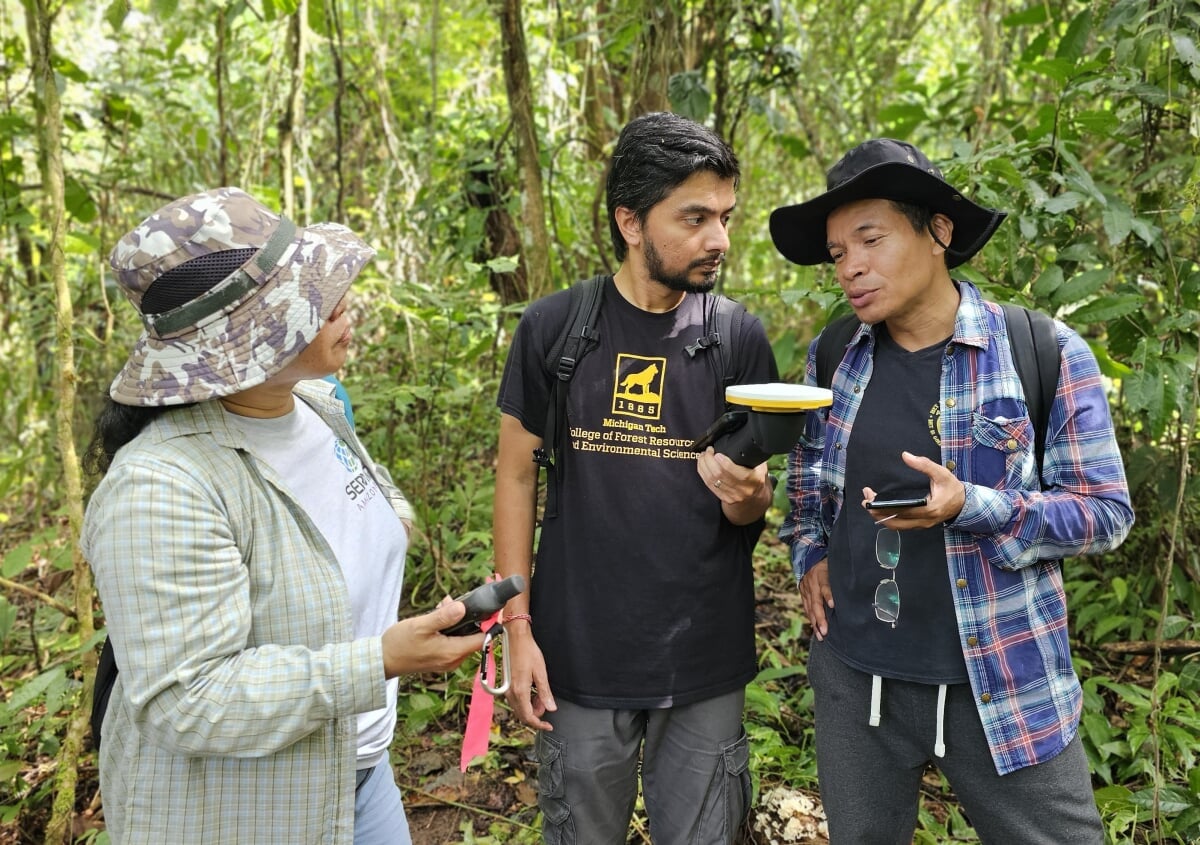
Get Instruction From a GIS and Remote Sensing Expert.
The online MGIS degree has been developed and taught by Dr. Parth Bhatt, Associate Teaching Professor/Researcher, Program Director for the Online Master’s of GIS, and Lead GIS and Remote Sensing Educator for MichiganView.
Bhatt brings rich experience in GIS, remote sensing, GPS, geospatial data analysis, machine learning, Python, R, ArcGIS Pro, WebGIS, natural resource management, invasive species mapping, and forest health.
Prepare for GIS, Remote Sensing, and Natural Resource Careers.
GI Science is used across natural resource management, government agencies, environmental and conservation organizations, urban and regional planning, real estate and property management, insurance, energy, forestry, consulting, and other fields that depend on location-based data.
And as organizations respond to climate change, forest health concerns, biodiversity loss, watershed challenges, conservation planning, land use pressure, and wildfire risk, professionals who can combine GIS, remote sensing, data management, and environmental understanding will continue to play crucial roles.
GIS and Spatial Analysis Roles
- GIS Analyst
- GIS Project Manager
- Environmental GIS Consultant
- Land Use Planning GIS Specialist
- Natural Resource Manager
- Forest GIS Analyst
- Cartographer
- Spatial Ecologist
Remote Sensing and Resource Roles
- Remote Sensing Specialist
- GIS and Remote Sensing Specialist
- Forest Inventory Analyst
- Wildfire Analyst
- Environmental Monitoring Officer
- Conservation GIS Specialist
- Wildlife Habitat Analyst
- Watershed or Land Use Planner
Get Started on Your Master of Geographic Information Science.
Take the next step toward a practical, flexible, data-driven graduate degree from Michigan Tech.
Questions about the degree pathway, certificate stacking, or course sequencing? Reach out to Parth Bhatt at ppbhatt@mtu.edu.
Questions about the application process? Contact our kind, dedicated admissions manager, Amanda Irwin. She has over a decade of experience helping students evaluate programs, navigate the admissions process, and complete their applications. Email her at globalcampus@mtu.edu or submit the RFI form below.