
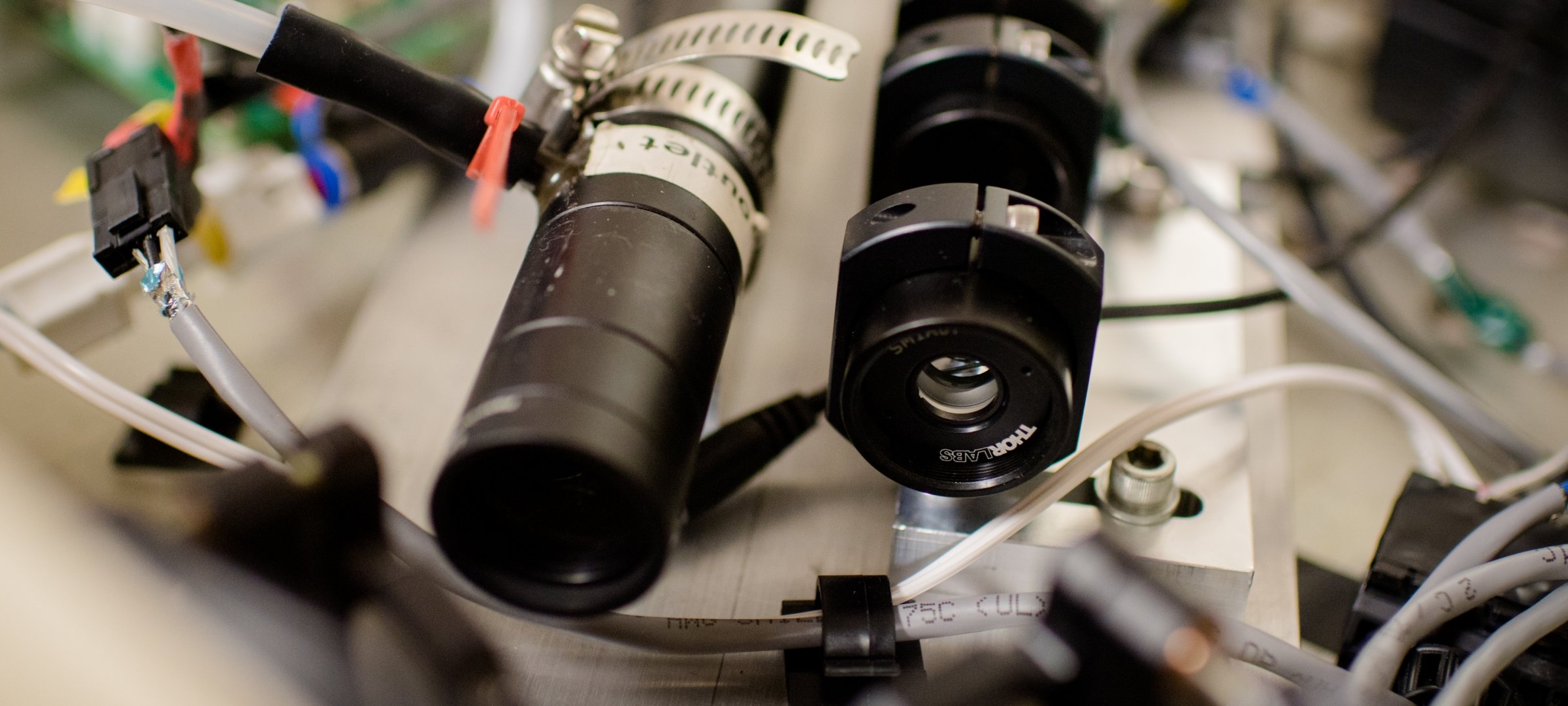
Applied physics bridges the gap between physics, engineering, and other sciences. While engineers solve well-defined problems, applied physicists use physical principles to investigate questions that cross scientific and engineering boundaries. At Michigan Technological University, the applied physics program targets areas such as nanoscale condensed matter, materials science, atmospheric physics, optics/photonics, optoelectronics, plasmonics, and biomedical science. Are you ready?
Our Accelerated Master's Program is available for current Michigan Tech students.
Who is This Program For?
The MS and PhD may interest students who want advanced physics study that connects to scientific or engineering questions. It can be a fit if you want to dive deeper into physical principles in materials, optics, atmospheric science, or related areas; connect experimental or computational physics with another discipline; and pursue a focused inquiry informed by fundamental physics.
What You'll Study
Take courses in graduate-level physics alongside approved work in related scientific and engineering fields. Popular focus areas include nanoscale condensed matter, materials science, atmospheric physics, optics, photonics, optoelectronics, plasmonics, and biomedical science. Whether you're pursuing a master's or doctorate in applied physics, you can create a customized program of study.
Where You'll Apply Your Knowledge and Skills
With this master's degree, you can apply physical models and measurements to characterizing materials, analyzing light-based technologies, investigating atmospheric behavior, or examining electronic and nanoscale systems. These approaches can support research and technical development in in university and national research laboratories, measurement institutes, and technology-development groups. The National Institute of Standards and Technology (NIST) and Argonne National Laboratory use applied physics and measurement on materials, advanced instruments, and other technically demanding questions.
-
Delivery Options
- Accelerated: MS
- On-Campus: MS, PhD
Applied Physics Program Details
Choose a specific degree option or delivery type to learn more about the applied physics program at Michigan Tech. For international students, Applied Physics is a designated STEM program.
On-Campus Programs
Additional Program Information
Want to learn more about applied physics at Michigan Tech? Visit the department for more information:
Sample Areas of Interest
Select areas of interest to help customize your applied physics MS or PhD. Sample areas include:
- Astrophysics
- Atmospheric Physics
- Photonics and Quantum Optics
- Materials Physics-Experimental