
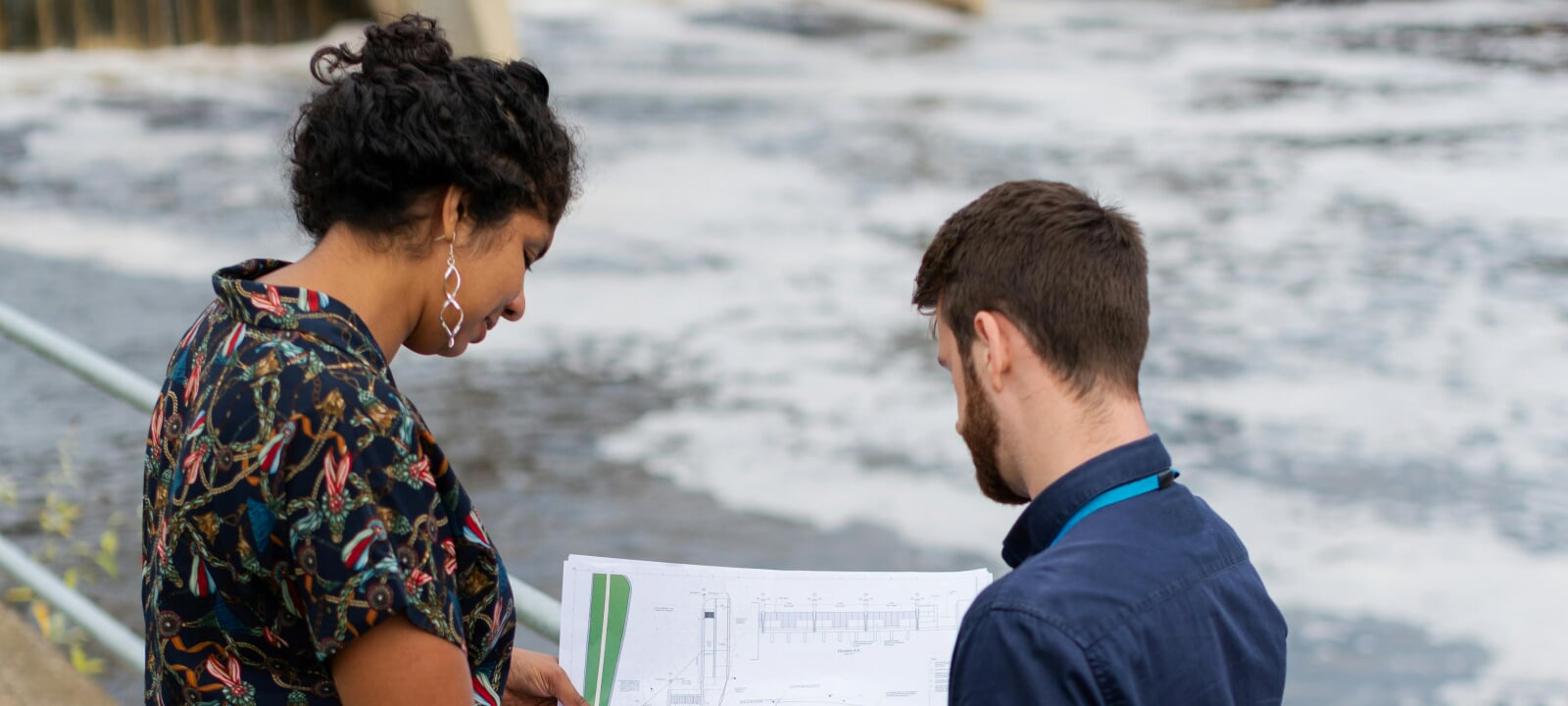
Design Water Systems That Withstand Disruption.
Urbanization, environmental factors, and climate change have made infrastructure issues both more prevalent and more serious. Resilient water infrastructure refers to infrastructure that is devised and managed to withstand, resist, and recover from extreme weather events, such as flooding and drought; as well as other natural disasters. It may also be designed with the flexibility to adapt to changing conditions, such as population growth, higher demand, and possible water contamination.
Both the United States and the world need engineers trained not only to address the impact of climate change and other factors but also to create and maintain resilient water infrastructure.
MTU's Online Resilient Water Infrastructure Certificate will equip you with the knowledge and skills for analyzing how water infrastructure can respond to floods, drought, and changing demand.
Who is This Certificate For?
This certificate is designed for civil, environmental, and water resources professionals who want to help infrastructure withstand and adapt to changing conditions. It is particularly relevant to engineers working with water supply, drainage, flood and drought resilience, or the design and management of water infrastructure.
What You'll Study
Coursework will equip you with the skills and strategies for designing best management practices for infrastructure related to water, which includes dams, embankments, diversions, and cross drainage, levees, water distribution systems, and sewer systems.
You will formulate plans for low-impact development and for restoring rivers to a more natural state. Analyze the environmental and economic issues related to dams, embankments, diversions, and cross drainage; and put your skills to work assessing levees and flood risk management strategies.
You'll take courses from respected professors and professional engineers (Brian A. Barkdoll, David E. Watkins, and Veronica Webster) who have advanced expertise in water resources, hydraulics, hydraulic structures, hydrology, probability analysis, field research, and other important areas.
To enroll in the Online Resilient Water Infrastructure Certificate, you must first have one of these prerequisites: Water Resources Engineering (CEE 3620: 4 credits including the lab or equivalent) or Hydraulics and Hydrology (CEE 3650). To earn this 9-credit certificate, you will complete three courses.
When planning your program, always check the course registration page for the availability of classes.
Courses (Choose Three)
Learn more about current projects from the Department of Civil, Environmental, and Geospatial Engineering.
Where You'll Apply Your Skills
Depending on the depth and level of their education, engineers with water infrastructure expertise may be responsible for planning, designing, and constructing water infrastructure systems such as dams, water treatment plants, piping systems, and distribution networks.
They may also assess the safety and efficiency of existing water infrastructure as well as develop plans for improvement. Some, too, may be involved in monitoring water quality, ensuring compliance with regulations, and providing technical advice for water conservation efforts.
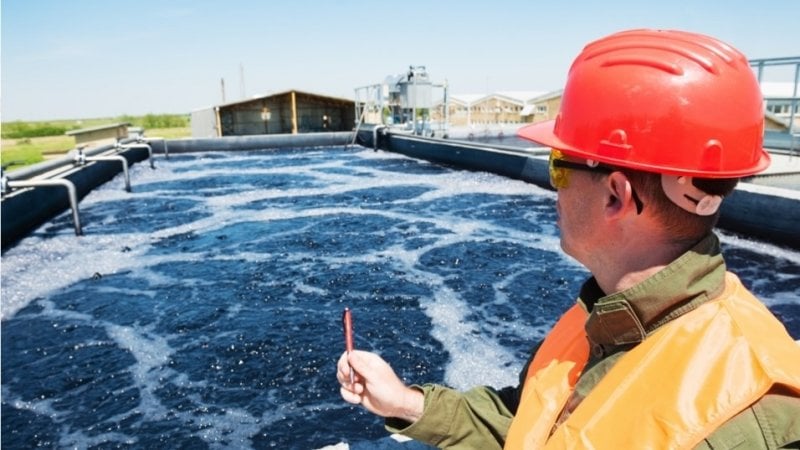
Possible Career Paths
- Civil Engineer
- Environmental Engineer
- Geotechnical Engineer
- Hydraulic Engineer
- Hydrologist
- Irrigation Engineer
- Wastewater Engineer
- Water Resources Engineer
- Water Systems Engineer
- Water Treatment Engineer
Get Started on Your Online Water Infrastructure Certificate.
Take the next steps on your educational journey. We are here to answer your questions and to help you succeed in your online program.