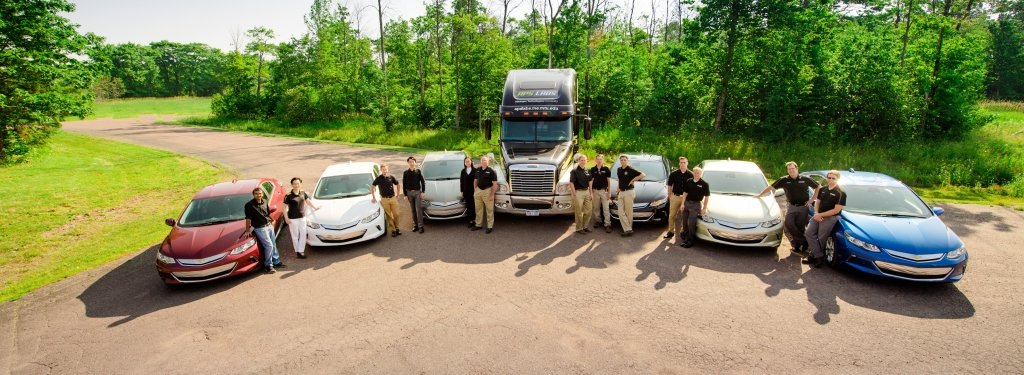
The U.S. Army’s Defense Innovation Unit selected Michigan Tech’s Advanced Power Systems Research Center, also known as APS LABS, to design and develop cutting-edge technologies for power generation on the battlefield.
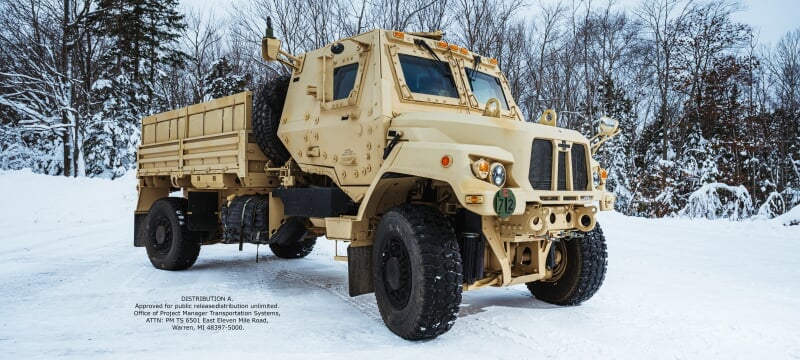
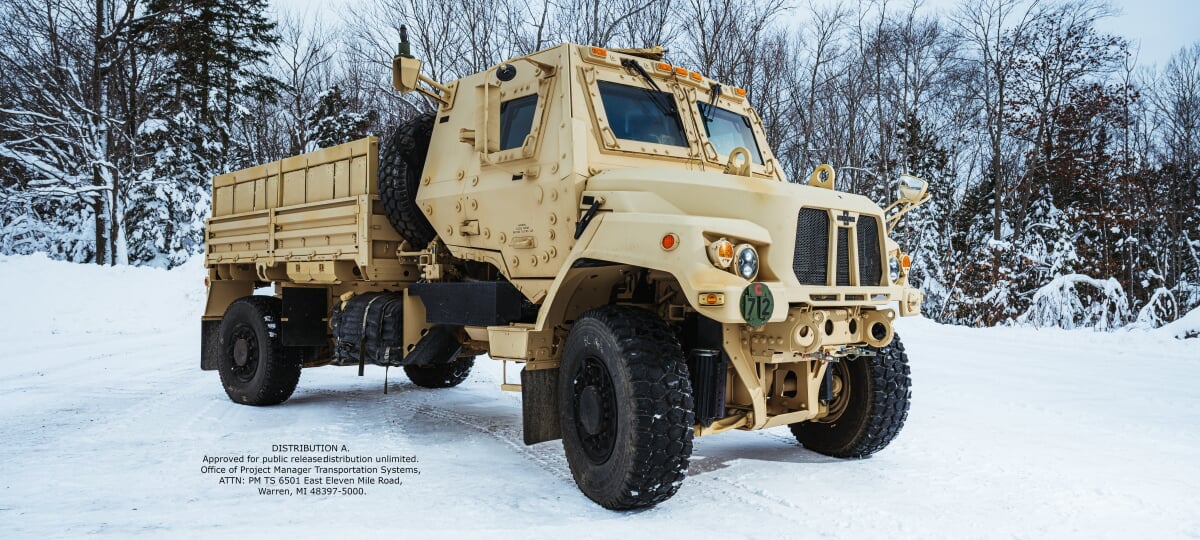
In early 2025, the U.S. Army awarded APS LABS a $7.8M contract through the Defense Innovation Unit for a project titled "Mobile Energy Generation for Austerity — Vehicle Integrated Power Kit." The 18-month project focuses on the development of a kit for energy generation on an FMTV A2. (FMTV is shorthand for Family of Medium Tactical Vehicles.) The goal? To provide energy to essential battlefield operations such as missile defense, command post operations, field hospitals, and more.
“This award reinforces Michigan Technological University’s long-standing mission to serve as a trusted engineering partner to the Department of Defense,” said Richard & Elizabeth Henes Professor in Energy Systems Jeffrey D. Naber, who is leading the project. “It further establishes MTU as a national leader in on-vehicle power solutions, tactical microgrids, expeditionary power systems, and mission-ready energy technologies that enhance mission effectiveness and add new capabilities.”
In addition to producing over 120kW of power at 600 volts of direct current, this power generation kit will be Tactical Microgrid Standard compliant, will provide expeditionary power capabilities, and will maintain compatibility with vehicle variants and other kits.
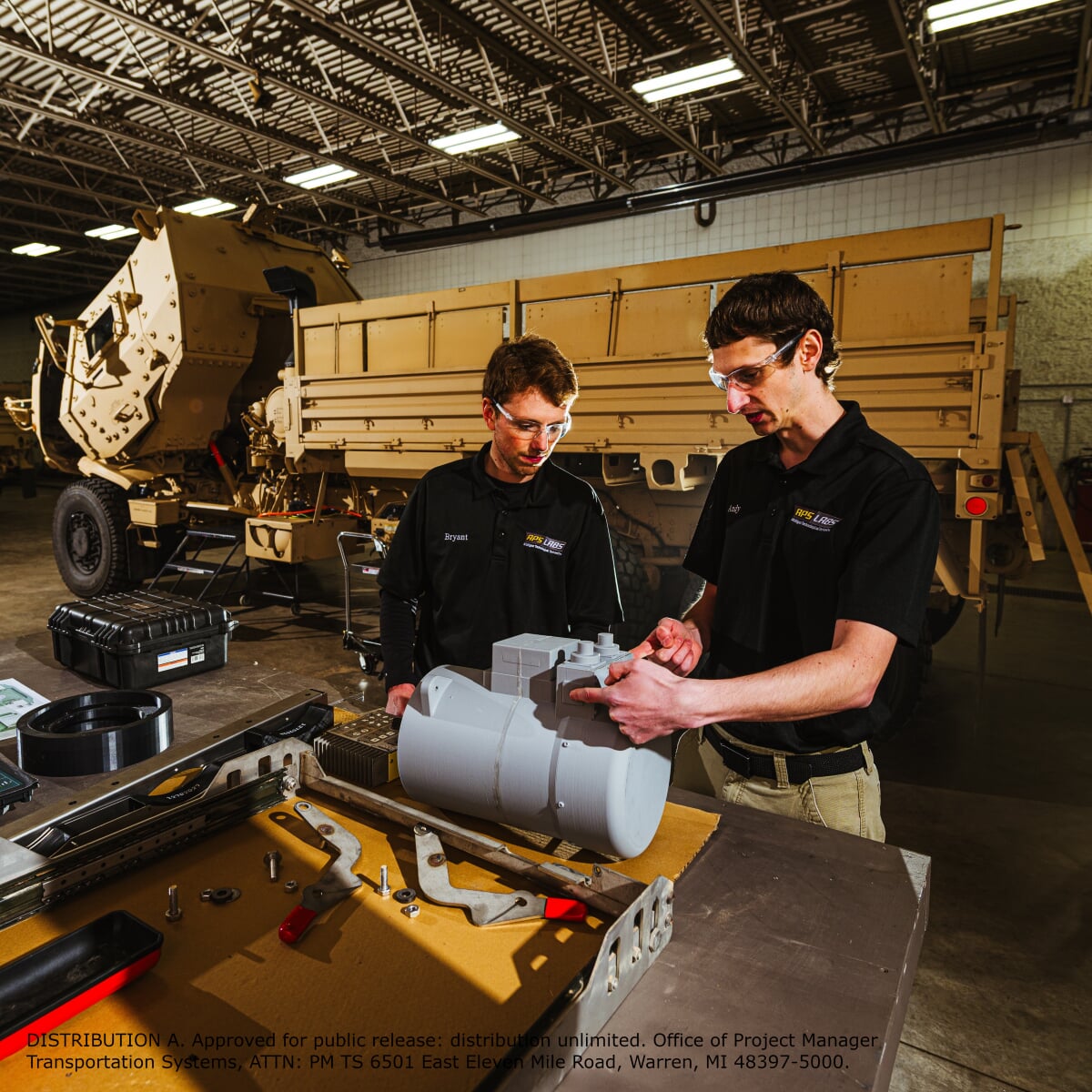
Another goal for the project is to advance expeditionary power capabilities that will lower fuel consumption. This is done by reducing idle time by automatically stopping and restarting the engine while the vehicle is stationary and when specific conditions are met. The expeditionary power system ensures that power will be available to enable HVAC, electrical loads, and mission-essential equipment with the vehicle’s engine off.
APS LABS researchers quickly progressed through the initial design and final design phases of the project. The team is now working on integration, verification, and validation with delivery expected in September of 2026. Project partners include a number of local companies with specialties in defense work, including GS Engineering, LSA Solutions, Calumet Electronics, and Soli Consulting. Support also comes from many organizations within the US military, including Program Executive Office Combat Support & Combat Service Support (PEO CS&CSS); Project Manager Transportation System (PM TS); Product Manager Multi Mission Protected Vehicle Systems (PdD MPVS); Ground Vehicle System Center (GVSC); Combat Capabilities Development Command; Office of Secretary of War Defense Innovation Unit (DIU); and Office of Secretary of War Operational Energy-Innovation (OE-I).
“The MEGA VIPK project continues to demonstrate Michigan Tech’s longstanding ability to support the armed services with high technology readiness level solutions,” said Andrew Barnard, Michigan Tech’s vice president for research. “Creating industry-ready solutions that are designed for manufacturing and deployment sets Michigan Tech apart from our peers.”
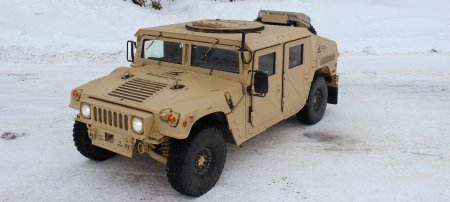
The MEGA project builds on APS LABS’ strong reputation for ground vehicle expertise in the automotive and military sectors. In early 2024, APS LABS delivered a prototype tactical hybrid electric High-Mobility Multipurpose Wheeled Vehicle (HMMWV) to the U.S. Army’s Rapid Capabilities and Critical Technologies Office (RCCTO). Later that year, APS LABS and other Michigan Tech research groups became the engineering services provider for the American Center for Mobility (ACM) in Ypsilanti, Michigan.
Michigan Technological University is an R1 public research university founded in 1885 in Houghton, and is home to nearly 7,500 students from more than 60 countries around the world. Consistently ranked among the best universities in the country for return on investment, Michigan's flagship technological university offers more than 185 undergraduate and graduate degree programs in science, technology, engineering, mathematics, computing, forestry, business, health professions, robotics, psychology, social sciences, humanities, and the arts. The rural campus is situated just miles from Lake Superior in Michigan's Upper Peninsula, offering year-round opportunities for outdoor adventure.