
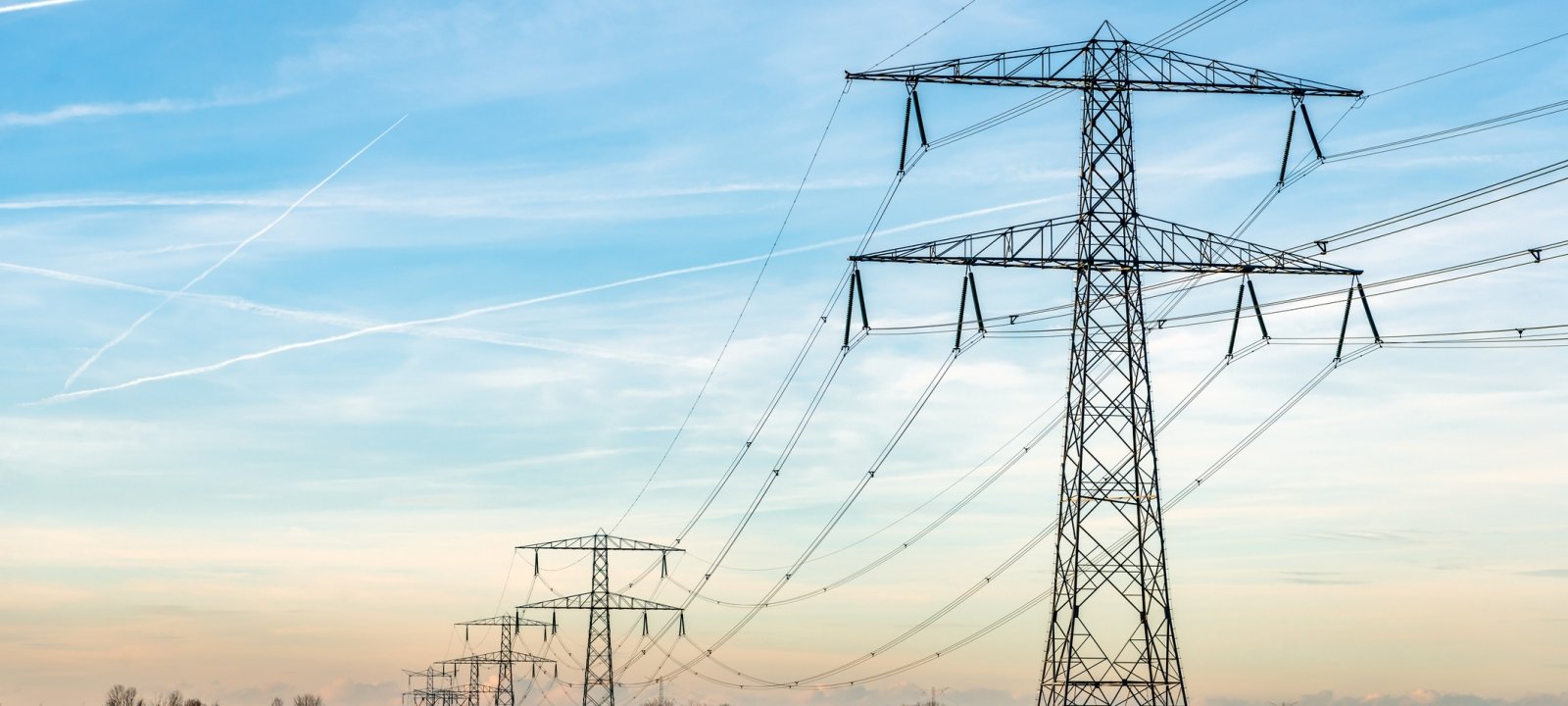
Engineer Smarter, More Resilient Power Systems.
Electric power engineering, a subfield of electrical engineering, is dedicated to electric power: from its generation, transmission, distribution, conversion, utilization, and management. Depending on their specialty and educational pathway, electric power engineers may work with electric power systems, power stations, solar voltaic cells, wind turbines, and electrical grids. Regardless of their career path, advanced electric power engineers are in-demand: locally, nationally, and globally. In fact, 48% of power professionals are worried about an upcoming shortage of skilled electric power engineers (2019 Global Energy Talent Index Report.)
Michigan Tech's online advanced power engineering certificate helps you take advantage of this demand. You'll develop specialized knowledge of electric power systems, from system analysis and protection to technologies reshaping the grid. And learn to apply advanced engineering principles to evolving challenges in power delivery and reliability.
This certificate, which was developed through consultation with experts from energy utilities, was created to address industry needs.
Who is This Certificate For?
If you have a working understanding of electric power system analysis (equivalent to that gained in EE4221) and a passion for the future of advanced electric power engineering, this certificate is for you.
This certificate is designed for electrical engineers and professionals in closely related fields who want to deepen their knowledge of electric power systems. It's particularly relevant to those seeking advanced expertise in power system design and operation, preparing for additional engineering responsibilities, or pursuing further graduate study.
What You'll Study
The 15-credit program combines advanced power-system study with a choice of electives in areas such as protection, distribution, power electronics, and renewable energy. The credits from this certificate can also be applied towards the 30-credit Master of Science in Electrical Engineering.
All students in this certificate program will begin their educational journey with the same three-credit course: EE5200: Advanced Methods in Power Systems. Then, to complete their degrees, they will choose twelve credits of electives. (No more than three credits may be below the 5000-level.)
4000-Level Electives
- Introduction to Electric Machinery and Drives
- Power Systems Analysis 2
- Power Electronics
- Vehicle Dynamics OR Advanced Vehicle Dynamics
- Introduction to Propulsion Systems for Hybrid Electric Vehicles

5000-Level Electives
- Transient Analysis Methods
- Advanced Electric Machinery and Drives
- Power System Protection
- Advanced Power Electronics
- Power Systems Operations
- Computer Modeling of Power Systems
- Distribution Engineering
- Wind Power
- Selected Topics in Power Systems 1
- Solar Photovoltaic Science and Engineering
- Advanced Propulsion Systems for Hybrid Electric Drive Vehicles
- Power Systems Dynamics and Stability (6000-level)
Learn more at the Advanced Electric Power Program website.
Top Power and Electricity Trends
Where You'll Apply Your Skills
Advanced electric power engineers, though they often work in electrical utility companies, can be found anywhere power is needed: in infrastructure related to the oil and gas industry, in manufacturing plants, in airports, and in buildings, such as hospitals, universities, and shopping malls. What's more: According to US BLS, in 2024, $103,600 is the median annual salary of power plant operators, distributors, and dispatchers.
And these engineers are in demand. A quick search on Linked-In with the phrase “electrical power engineering” turns up tens of thousands of results, with many of these companies already employing MTU grads.
Along with stability in their careers, electric power engineers also have mobility. A career in the power sector also means opportunities to work not only in several organizations and industries but also in other parts of the world, such as Europe.
Possible Career Paths
- Controls engineer
- Electrical engineer
- Power systems engineer
- Power distribution engineers
- Relay station engineers
- Sub-station engineers
- Senior electrical sustaining engineer
Get Started On Your Online Advanced Electric Power Engineering Certificate.
If you're up for these and other challenges in electric power engineering, consider this online program from Michigan Tech. We are here to help you with your online educational journey.