
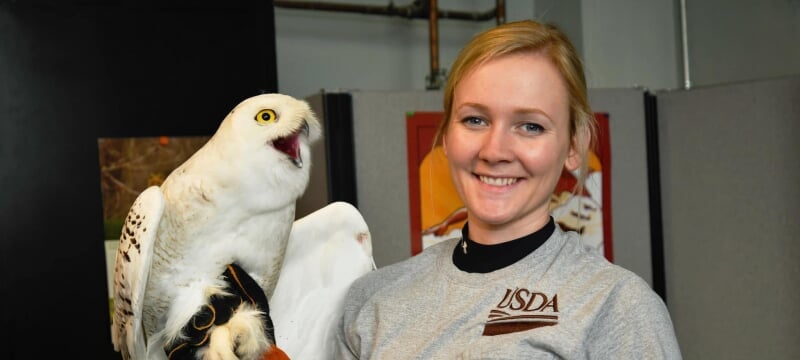
How exactly does an airplane strike a deer while flying at 30,000 feet? Ask Megan Baker. For the 2015 wildlife ecology and management alumna, questions like that are all part of the job.
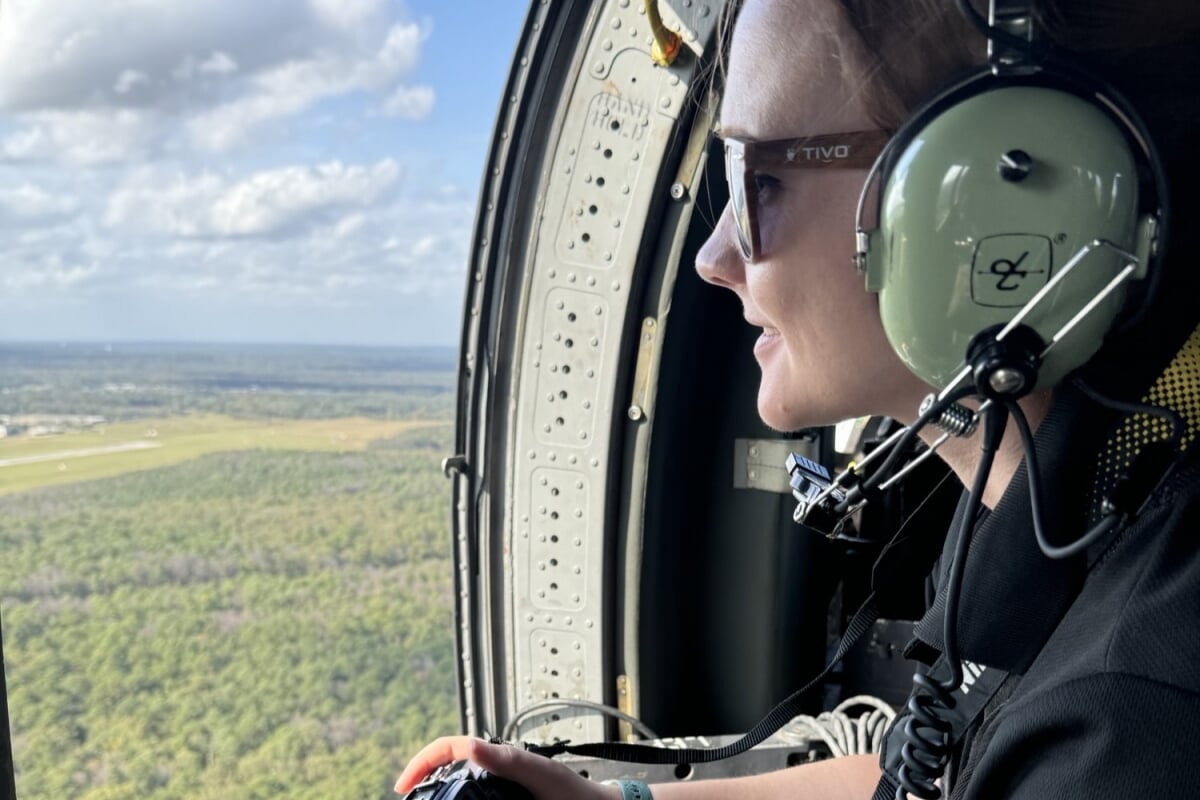
As an airport wildlife biologist with SES Environmental Resource Solutions, Baker works to reduce the risk of bird and wildlife strikes to military aircraft through the US Department of Defense's Bird/Wildlife Aircraft Strike Hazard (BASH) program. The role is a unique blend of ecology, aviation, and detective work—and she wouldn’t have it any other way.
“It’s a dream job, 100 percent,” she says. "I love to travel, so the job is a natural fit. I’m also big into wildlife and I love wildlife photography. So, I get to go birding everywhere I go and add to my life list. It definitely keeps me on my toes.”
A self-described extrovert and problem-solver, Baker spent nine years prior to joining SES as an airport wildlife biologist with the US Department of Agriculture (USDA), managing wildlife hazards while stationed everywhere from Alaska to the Middle East, and many places in between. She said she loves the people side of her work just as much as the wildlife, particularly recalling one assignment while working at an airfield in Europe.
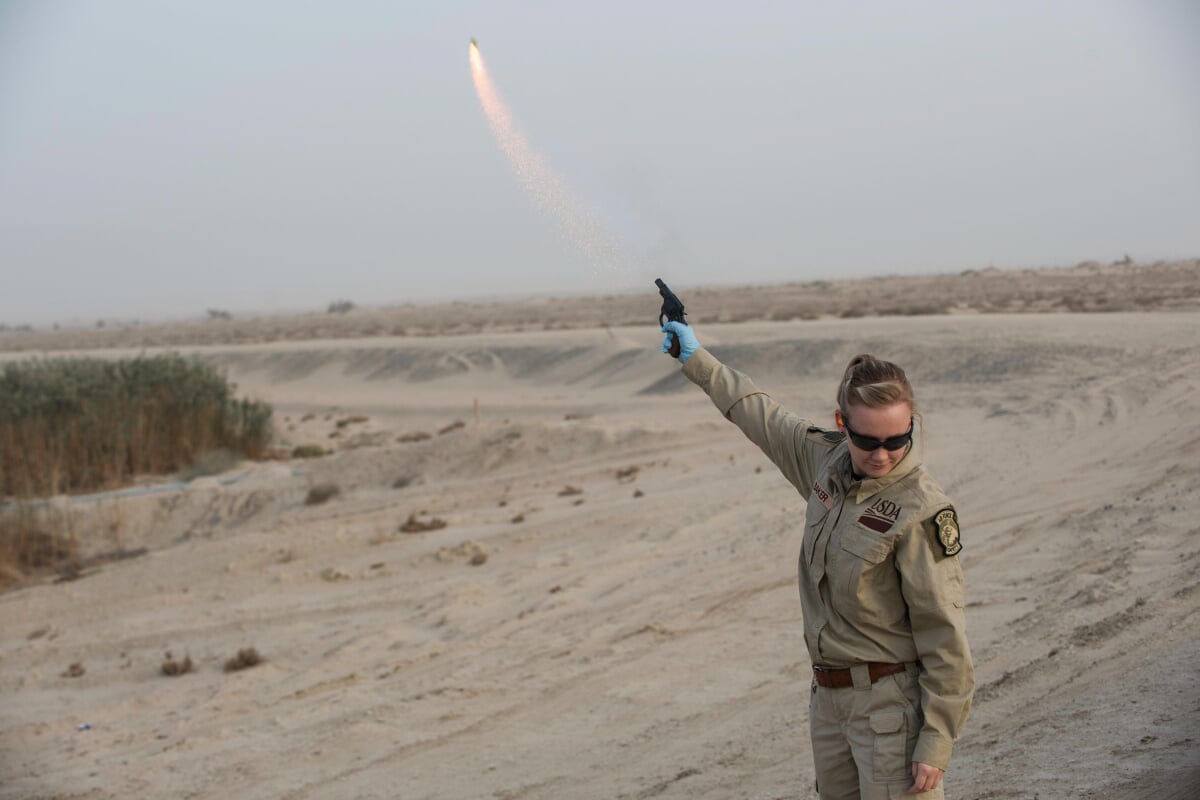
"I love going to unique places and building off my experiences, networking with the people there, and creating connections so we can all do our jobs better," she said. “When I was in Latvia, I was working side by side with their wildlife manager. To communicate, we used everything from Google Translate to interpreters, and sometimes even charades when all else failed.”
Through her work with the BASH program, Baker now travels to Air National Guard bases across the country where she reviews and rewrites wildlife management plans, conducts ground and aerial tours—often in Black Hawk helicopters or the occasional C-130—and provides training for both biologists and military personnel. While birds are always the biggest concern, Baker says every location presents a unique challenge.
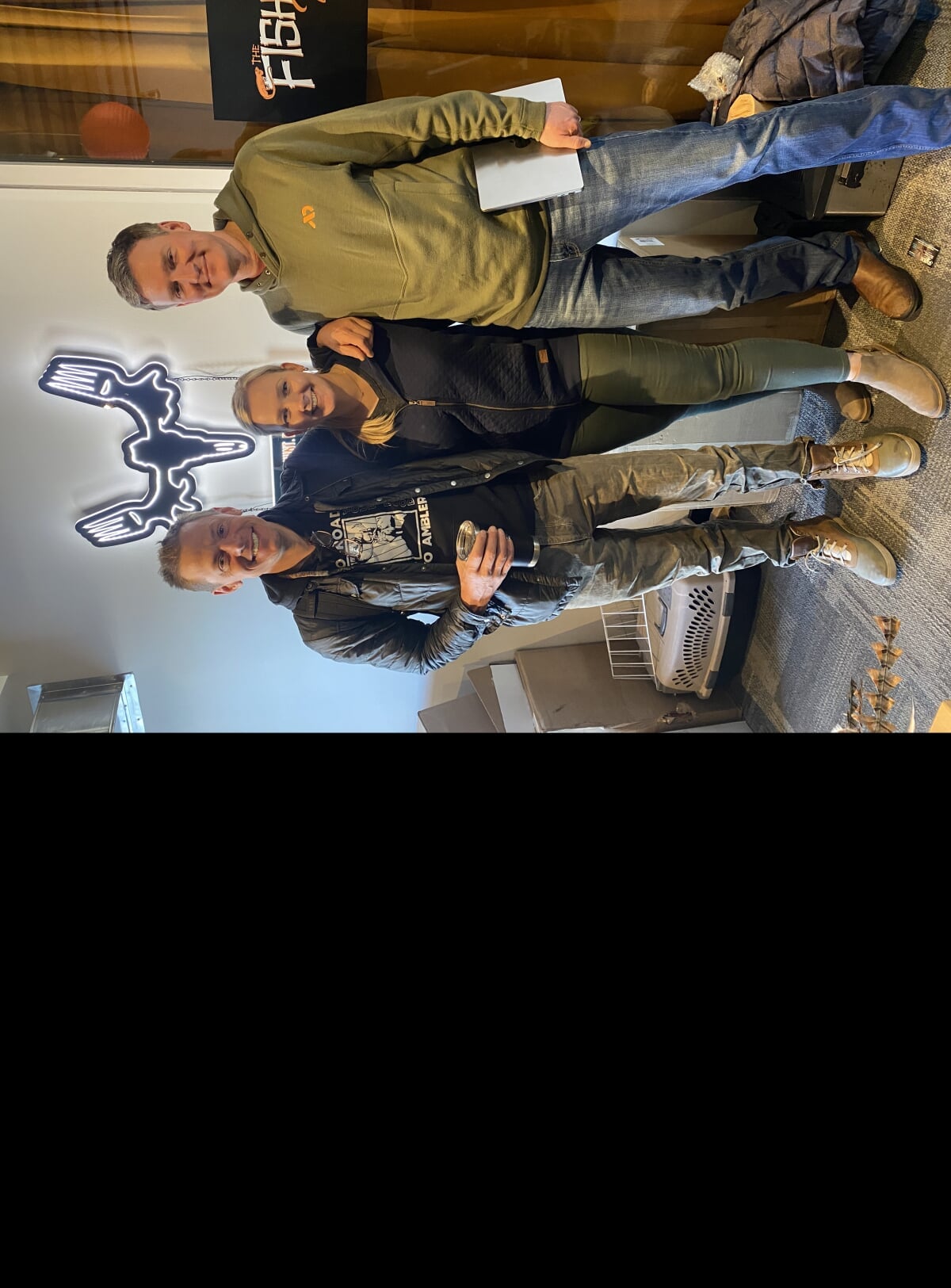
“I think my favorite part of this position is that every airport is the same, but the type of wildlife is so different. So, wherever I go, it’s like, ‘What’s the problem here?’”
Between moose and bears in Alaska to giant lizards and mongoose in Puerto Rico, determining the cause of an aircraft strike often begins with a clue called snarge: the biological remains left on an airplane after an animal strike. Scraped off the aircraft, these traces are sent to the Smithsonian Institution's Feather Identification Lab in Washington, DC. There, feather fragments, blood, and tissue are analyzed to determine which species were involved. Then it's up to Baker to figure out what really happened.
In one memorable case, answering that question meant getting to the bottom of an alleged deer strike at 30,000 feet above sea level. While the initial snarge report caused quite a stir, additional testing eventually revealed the real culprit—a vulture that had just finished lunch. Which, in Baker’s line of work, makes perfect sense.
Tracing her career back to Michigan Tech, it was Baker’s active involvement as an officer in the University’s student chapter of The Wildlife Society that helped her land her first job. Through the organization, Baker attended a wildlife conference where a conversation with a USDA biologist opened the door to her first job after graduation: conducting wildlife surveys at an airport in Kotzebue, Alaska, for the summer.
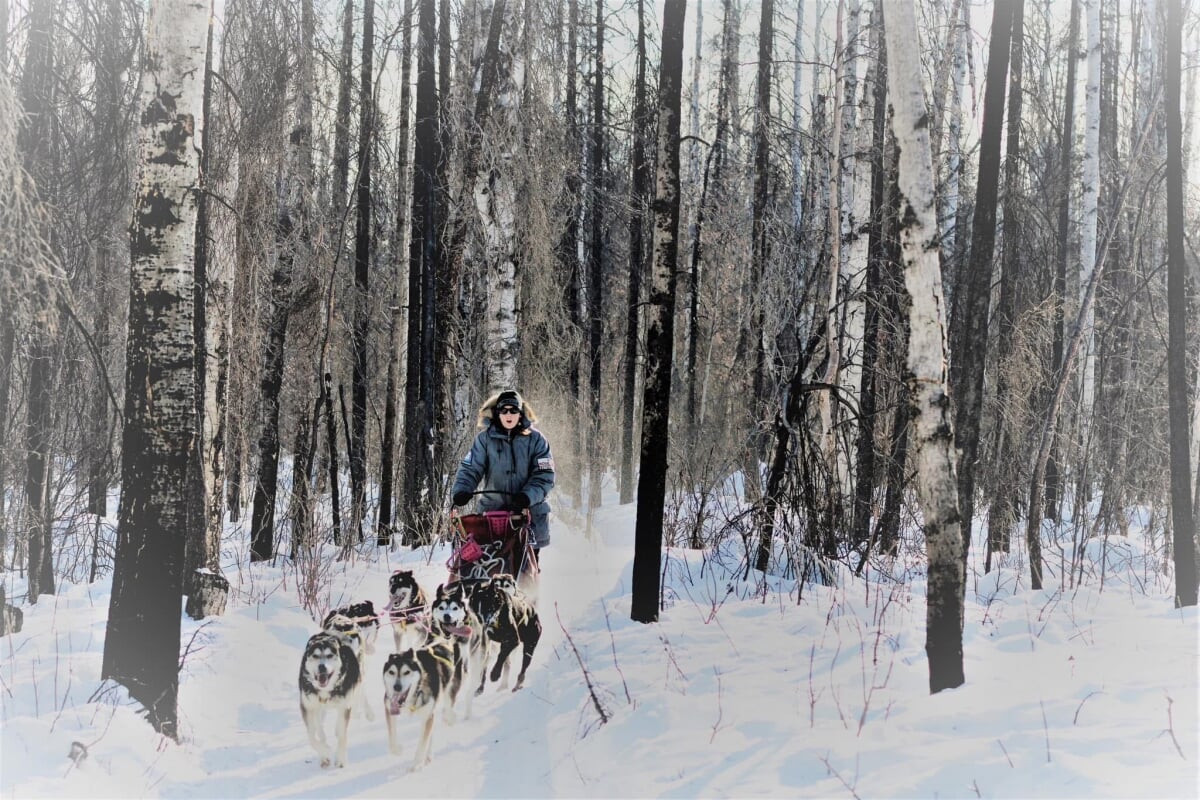
“That was the launch I needed to get comfortable being uncomfortable,” she said.
Today, Baker’s work continues to bring unexpected challenges and mysteries. For the Michigan Tech grad who turned her passions for wildlife and travel into her dream job, every assignment is a new adventure, and there’s no place she’d rather be.
Michigan Technological University is an R1 public research university founded in 1885 in Houghton, and is home to nearly 7,500 students from more than 60 countries around the world. Consistently ranked among the best universities in the country for return on investment, Michigan's flagship technological university offers more than 185 undergraduate and graduate degree programs in science, technology, engineering, mathematics, computing, forestry, business, health professions, robotics, psychology, social sciences, humanities, and the arts. The rural campus is situated just miles from Lake Superior in Michigan's Upper Peninsula, offering year-round opportunities for outdoor adventure.


