


300. Tolkien Trails Assessment and Management Recommendations
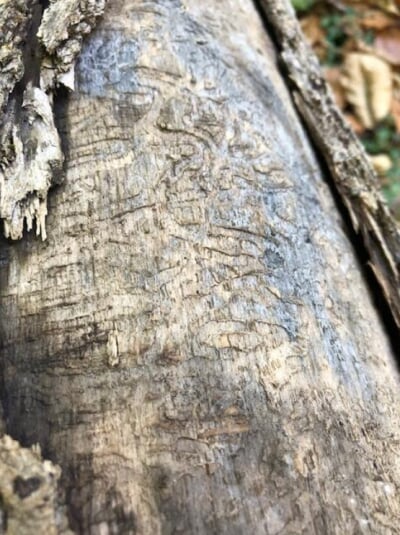
The Tolkien Trails project evaluated forest composition, structure, and ecological function across a 160‑acre parcel within Michigan Tech’s larger Tech Trails system—a landscape shaped by historic logging and copper mining and now managed for recreation, education, and long‑term research. The study integrated soils, hydrology, stand dynamics, coarse woody debris, wildlife observations, and trail‑use context to understand how site variability and past disturbance influence current forest conditions. Three distinct stands—upland mixed hardwoods, ash‑dominated lowlands, and lowland cedar/conifer—were assessed for overstory composition, regeneration patterns, and structural legacies such as extensive EAB‑driven ash mortality. By combining ecological data with the parcel’s role in a high‑use recreational network, the project provided a holistic foundation for future management aimed at balancing forest health, habitat quality, public access, and the research mission of the Tech Trails.
301. Comprehensive Analysis of the Middle Tech Trails
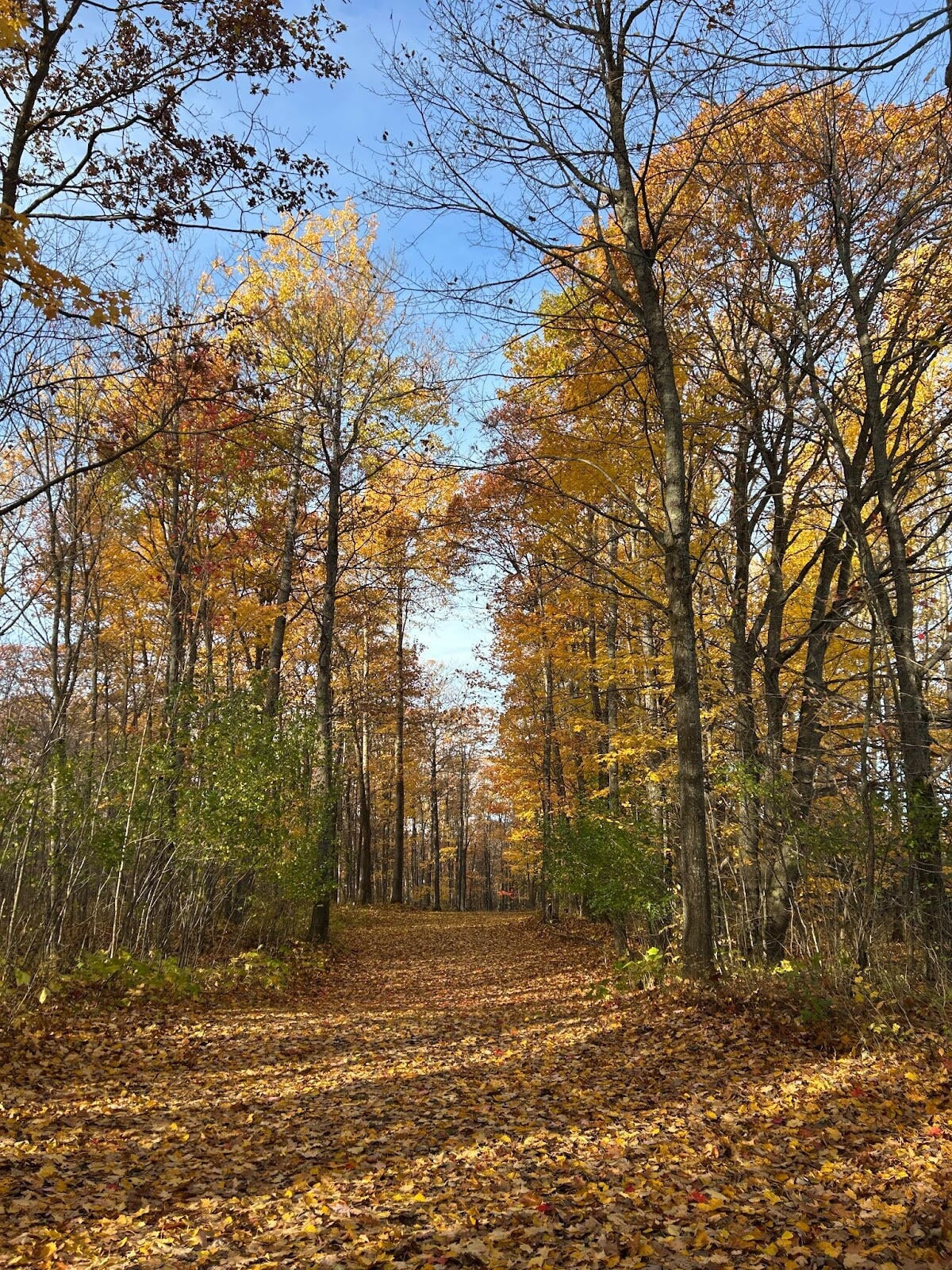
For the 2026 Design Expo, the forestry project team conducted a comprehensive forest inventory to assess current forest conditions and support future management planning. During the year, the team collected field data on overstory trees, understory regeneration, and ground vegetation across designated plots. Measurements included species composition, tree diameter, height, regeneration density, and vegetation cover. The team then compiled and analyzed the data to quantify forest structure and composition and to project potential future stand conditions. These results provide a baseline for evaluating forest health and informing possible management strategies such as thinning, regeneration planning, or conservation practices.
302. Infant Incubator: Low-Cost, Low-Power Neonatal Solution

The Infant Incubator project is dedicated to developing a low-cost, low-power infant incubator for use in high-infant mortality regions of the world. The design aims to provide an implementable and affordable solution to this systemic challenge. The system comprises thermal regulation, humidity control, and vitals monitoring, all interconnected through electronic control logic and circuitry, housed within a mechanical enclosure. This project is currently in its fourth development phase. The team is currently working on a flat packing solution, STM microcontroller integration, user-testing, and electromechanical standards testing to ensure the final product is ready for real-world implementation.
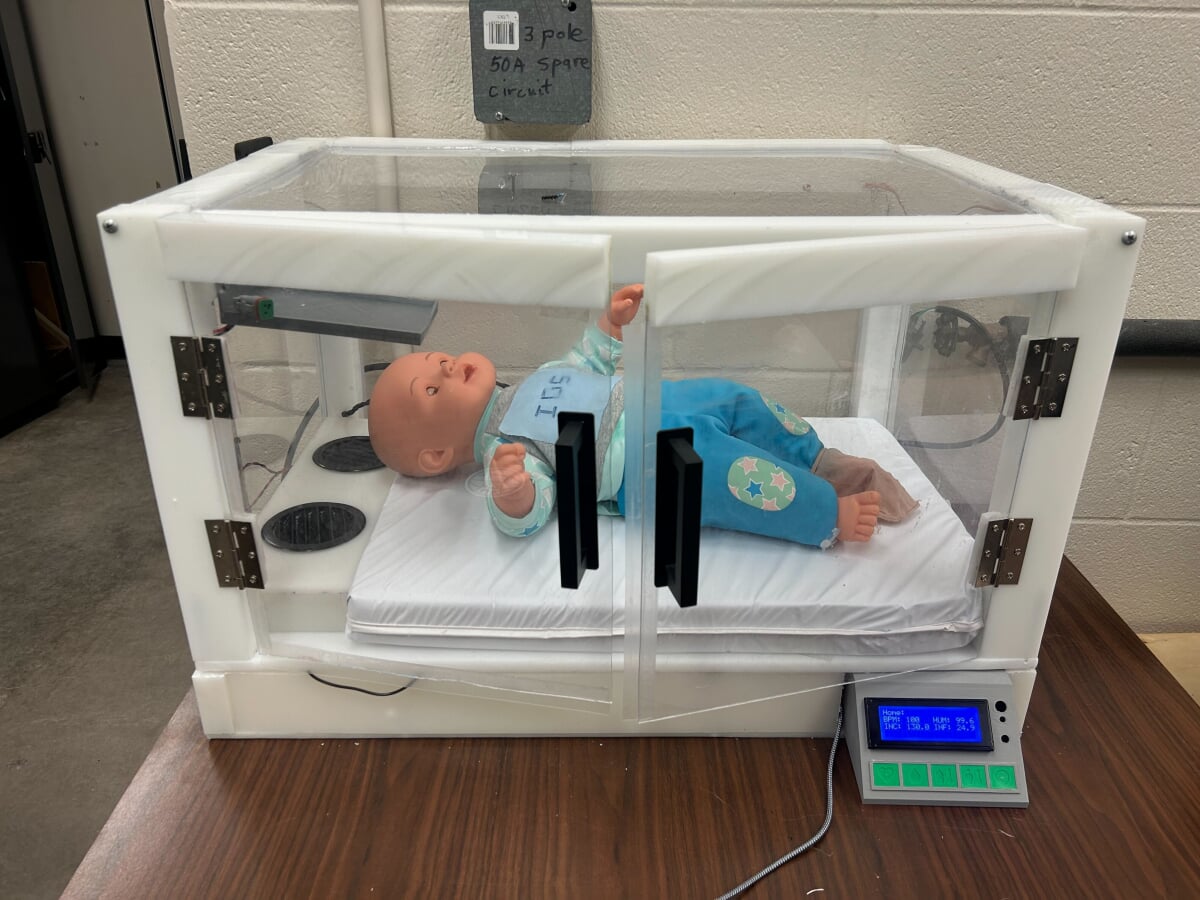
healthcare settings. Photo: Garrett Jacobson
303. AAA Prosthetics
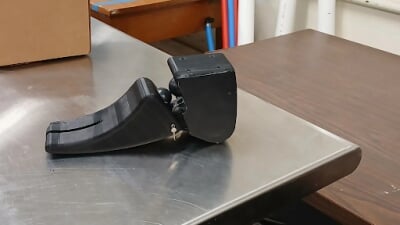
The goal of the AAA Prosthetics team at MTU, is to develop a low-cost, easily manufacturable ankle and foot prosthetics to improve accessibility for those in need.
Since launching in 2017, the project has progressed to the manufacturing stage, with exciting opportunities for student involvement. Current development efforts include producing a rubber ball prosthetic and walker stilt, followed by comprehensive testing—covering comparative stilt analysis, static and cyclic foot testing, rollover assessments, and gait evaluations.
304. DTE Terrain-Informed Solar Design

The goal of the DTE Terrain-Informed Solar Design Project is to integrate hydrological analysis with solar electrical system design to develop a site layout that maximizes energy production while minimizing impacts to natural drainage and surrounding ecosystems. The project evaluates how terrain, soil characteristics, and watershed patterns influence both solar array placement and runoff behavior across the site. Hydrological modeling compares pre-development and post-development conditions under multiple design storm events to assess impacts on peak discharge, runoff volume, and flow paths. These results guide civil design decisions such as the placement and sizing of detention basins and drainage infrastructure while the electrical design focuses on optimizing array layout and system performance within the terrain-constrained site.
305. Clean Diesel
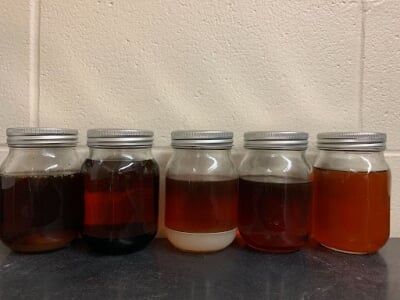
The Clean Diesel project at CPM offers students the chance to turn waste into fuel by converting dining hall soybean oil into biodiesel for university transportation and grounds maintenance. Each week, MTU dining halls generate around 120 gallons of waste soybean oil—an untapped resource with the potential to reduce fuel costs and promote renewable energy. Since launching in 2020, this initiative has explored biodiesel production methods, and now, student teams can play a key role in advancing the project. Upcoming work includes installing a heating unit and PID loop, conducting larger batch trials, optimizing filtration methods, and reconnecting with dining halls and the broader community to expand impact.
306. Lower East Trails Management Plan
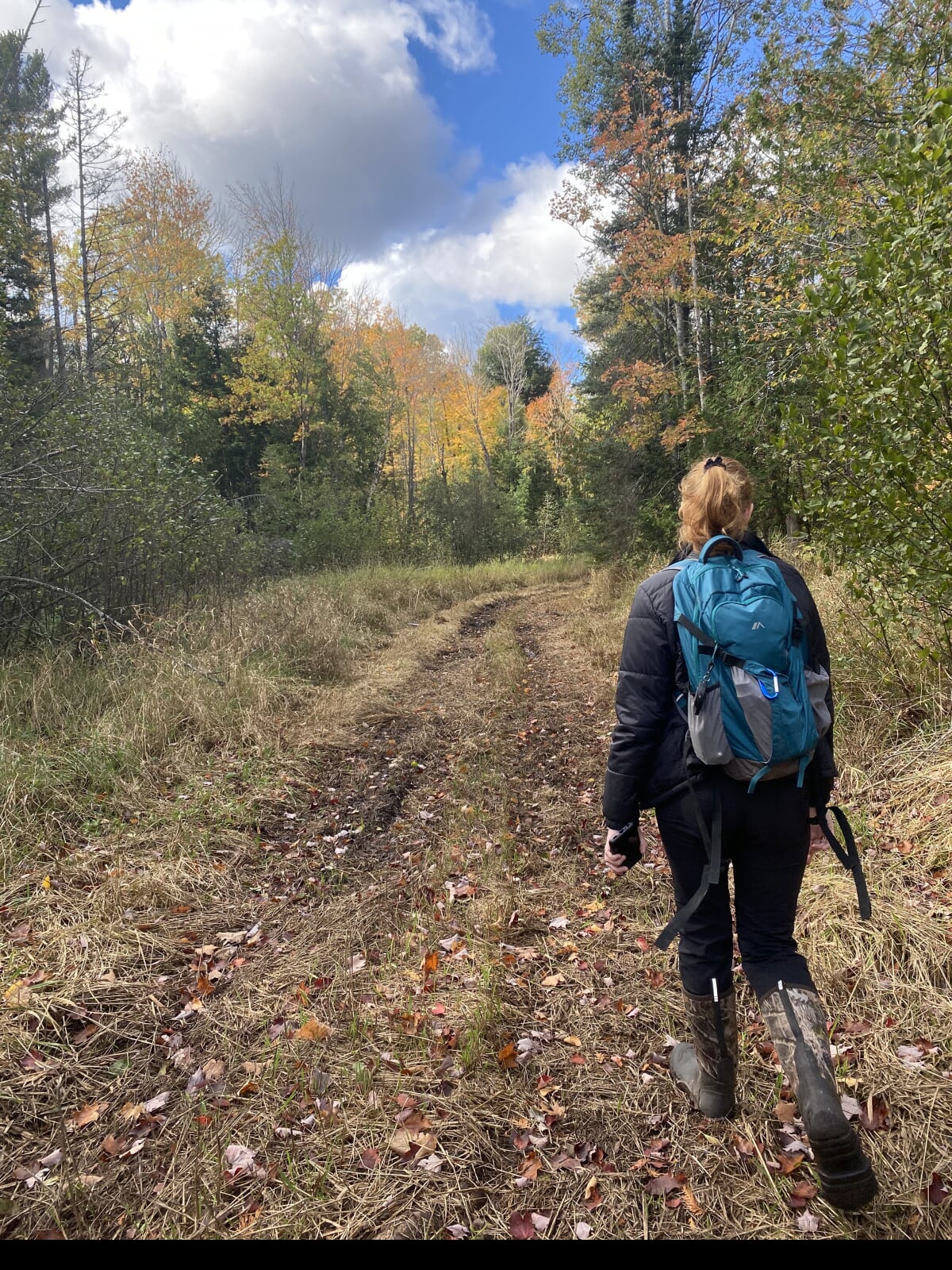
The goal of this project is to assess and create a management plan for a 180 acre parcel of land on the Michigan Tech Trails. Our team focused on the Lower East Side of the trails system. We sampled plots on this tract of land to get an idea of the composition of different forest types within the lower East trails. We are currently working on developing a management plan that focuses on creating a sustainable forest for the future, and to mitigate future conditions and changes.
307. A Novel Euclidean Sequencer for Eurorack Synthesizers

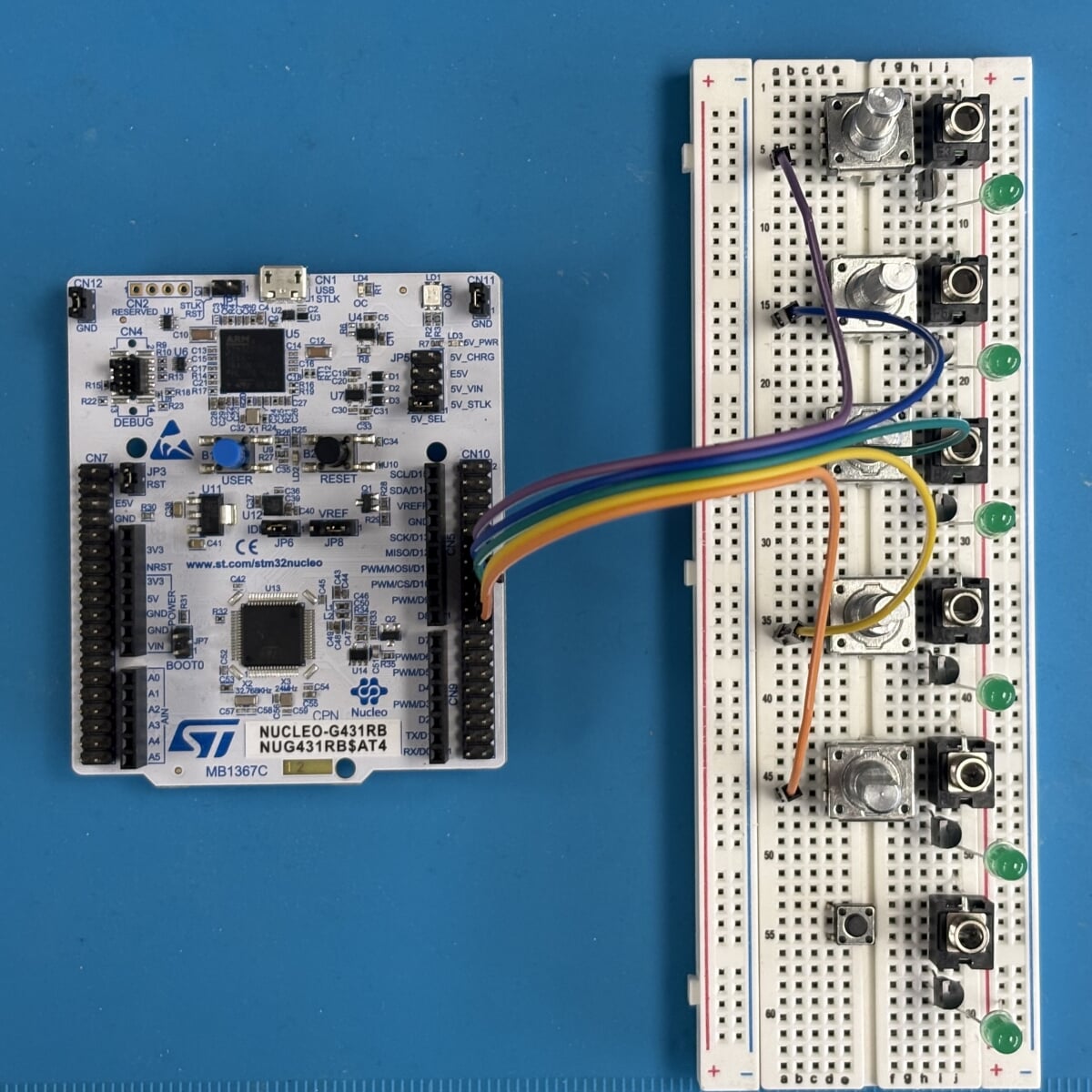
A Euclidean Sequence is a sequence of k pulses subdivided equally into n steps. This novel rhythm generator for Eurorack format modular synthesizers creates variable length gates at tempos between 30 and 300 beats per minute with an internal clock. It creates five independent 8v gate sequences for one pattern length n: three independent euclidean rhythms k1, k2, k3, a logical OR sum output, and start-of-cycle. Signal generation employs a STM32G4 powered from the +12v rail standard to Eurorack. The prototype will include a custom PCB fabricated on campus.
308. Current Conditions and Management of Mixed Recreational Woodlands - Upper West Tech Trails
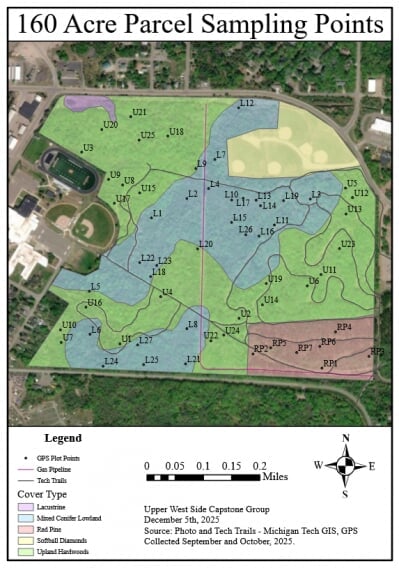
The goal of sampling and assessing the Upper West Side Michigan Tech Trails is to determine options for management in the future. This would allow for better management of the Tech Trails to mitigate potential future conditions and changes. An assessment of current conditions was previously established, and now the team is working on a plan for management and conservation of the stand. This will take into account the surrounding landscape, recreation activities, and climate change to plan for the future of the ecosystem complex.
309. Design and Sustainability Analysis of Waste Plastic Conversion to Lubricant Base Oil and Scented Candles

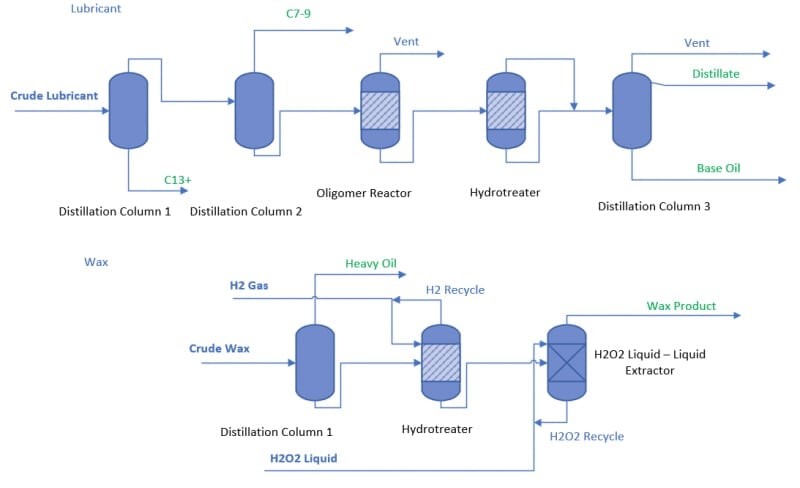
The goal of the Alternative Energy Enterprise(AEE) plastic pyrolysis project is to develop an environmentally conscious and economically viable process simulation to upgrade crude wax and lubricant from pyrolysis of waste plastics in a large plant scale of 20.2 tonne/day. This process focuses on using recycled waste polyethylene from pyrolysis chemical recycling technology as inputs to upgrade crude wax and lubricant to profitable industrial products. This project is in the feasibility phase where a life cycle analysis (LCA) and techno-economic analysis (TEA) are being performed to determine the environmental impact and economic viability of these processes on a plant scale. Iterations of the TEA are being made with heat and process integration opportunities to save energy.
310. Project Stepping Stones
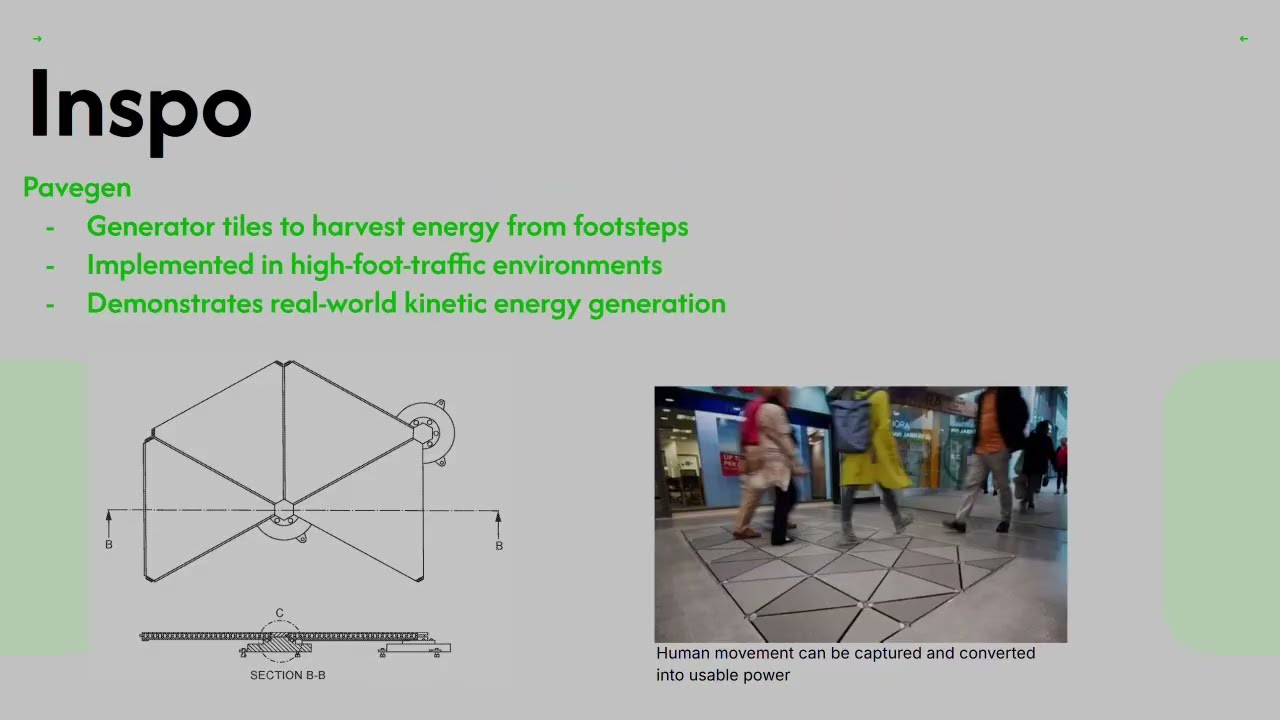
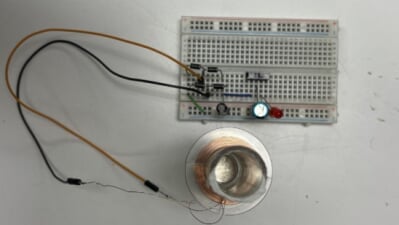
Project Stepping Stones is developing a sustainable, low‑cost, and weather‑independent renewable energy system by capturing mechanical energy from everyday human movement. By converting footsteps on walkable floor tiles into usable electrical power, the system offers a generation method that naturally scales with building occupancy rather than relying on solar or wind conditions. Beyond supplementing clean energy production, the tiles can operate independently of the grid, providing backup or emergency power for homes and community spaces. The project aims to advance campus sustainability goals while increasing public engagement and awareness of user‑integrated renewable technologies.
311. Solar PV Expansion at the Quincy Mine
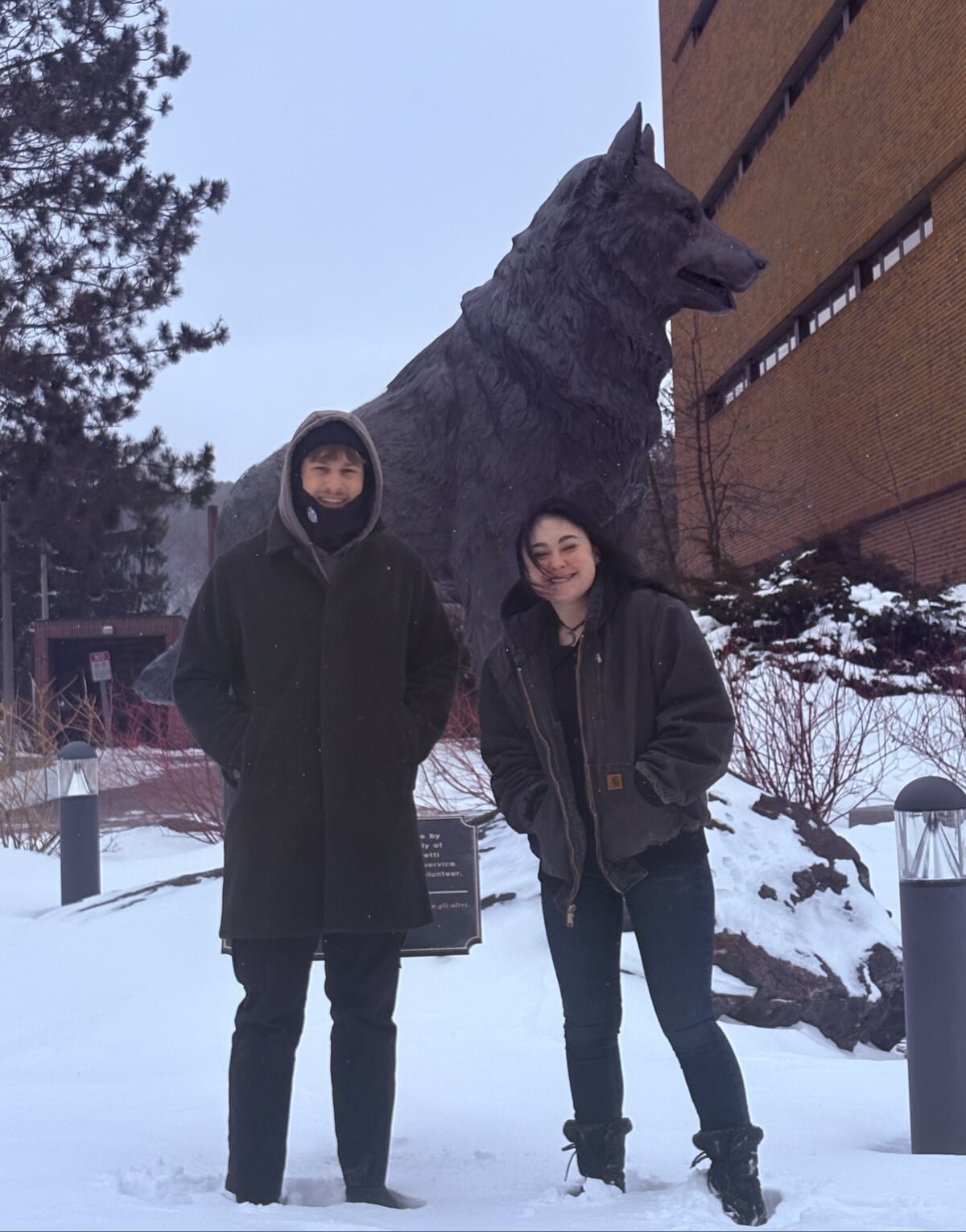
The Alternative Energy Enterprise's Quincy Mine Team is studying the feasibility of harnessing the renewable energy resources at the Quincy Mine. The senior design team is designing a new solar PV array to complement an existing array, with the aim of lowering the mine's energy expenditure and promoting sustainability. We are analyzing three potential arrays with the following methods: a Python model (PVLib) to forecast lifetime energy production, economic calculations to determine the most cost-effective option, and an environmental impact assessment. In the final semester of the project, a design for the most promising array configuration will be produced, including: electrical characteristics, one-line diagram, bill of materials, and a cost estimate.
312. Combustible Dust Hazards
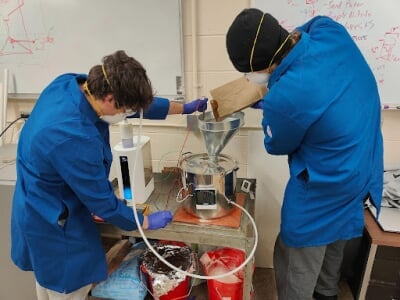
The CPM team is conducting a critical study on the potential hazard of dust explosions in water-based adhesives—an important risk factor in industrial environments. This research aims to provide insights into combustible dust hazards, with findings to be published in a white paper for industry use. As the project moves forward, students will investigate key factors influencing static charge build-up, including moisture in powder formulations and the behavior of hydrophilic versus hydrophobic materials. Testing will continue across various substances to deepen understanding and improve safety protocols.
313. Nara Nature Park Wetland Restoration and Recreation
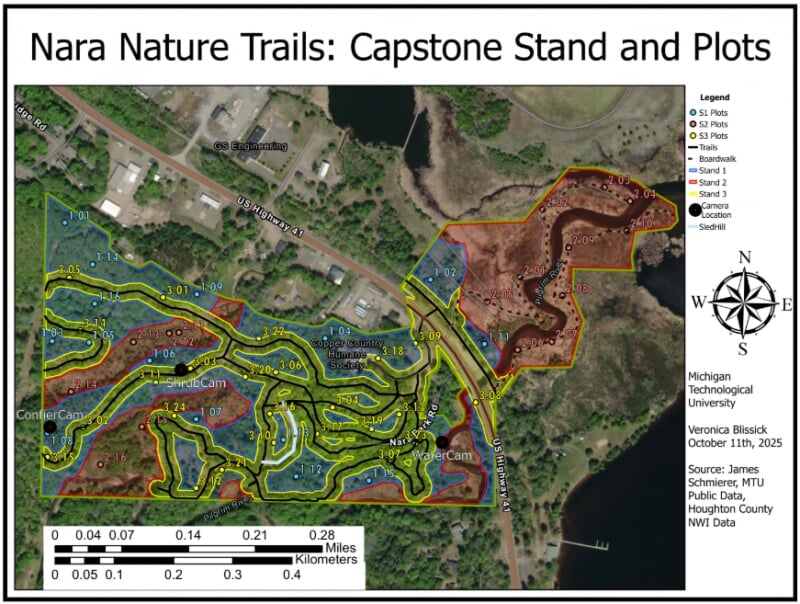
Our senior capstone project group performed a forest inventory and biological data analysis on an 83.45 acre land parcel located within the Nara Nature Park and part of the Michigan Tech Trails. The purpose of this project is to better understand the ecosystems present on this property and make recommendations based on this data in order to improve native biodiversity and outdoor recreation opportunities.
314. Biogas
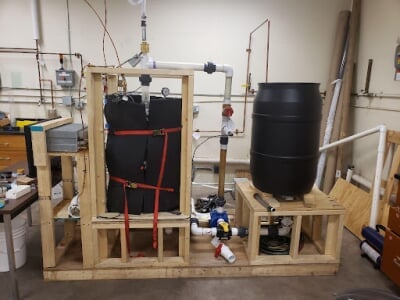
The Biogas project is an exciting, long-running initiative focused on converting dining hall food scraps into methane and compost through anaerobic digestion. This student-driven enterprise aims to establish a pilot plant on campus, creating a sustainable cycle that benefits the university. Since its start in 2014, the project has reached key development milestones and is currently progressing toward implementing its pilot plant. Student involvement is crucial in upcoming phases, which include optimizing the plant layout, completing the construction of a mini plant, and running full-scale trials using bacteria sourced from MSU. Other research efforts focus on kinetic analysis, methane production efficiency, and exploring the feasibility of a full-scale biogas facility at MTU
315. Medical Tent Environmental Conditions: Multifunction Exam Room Device
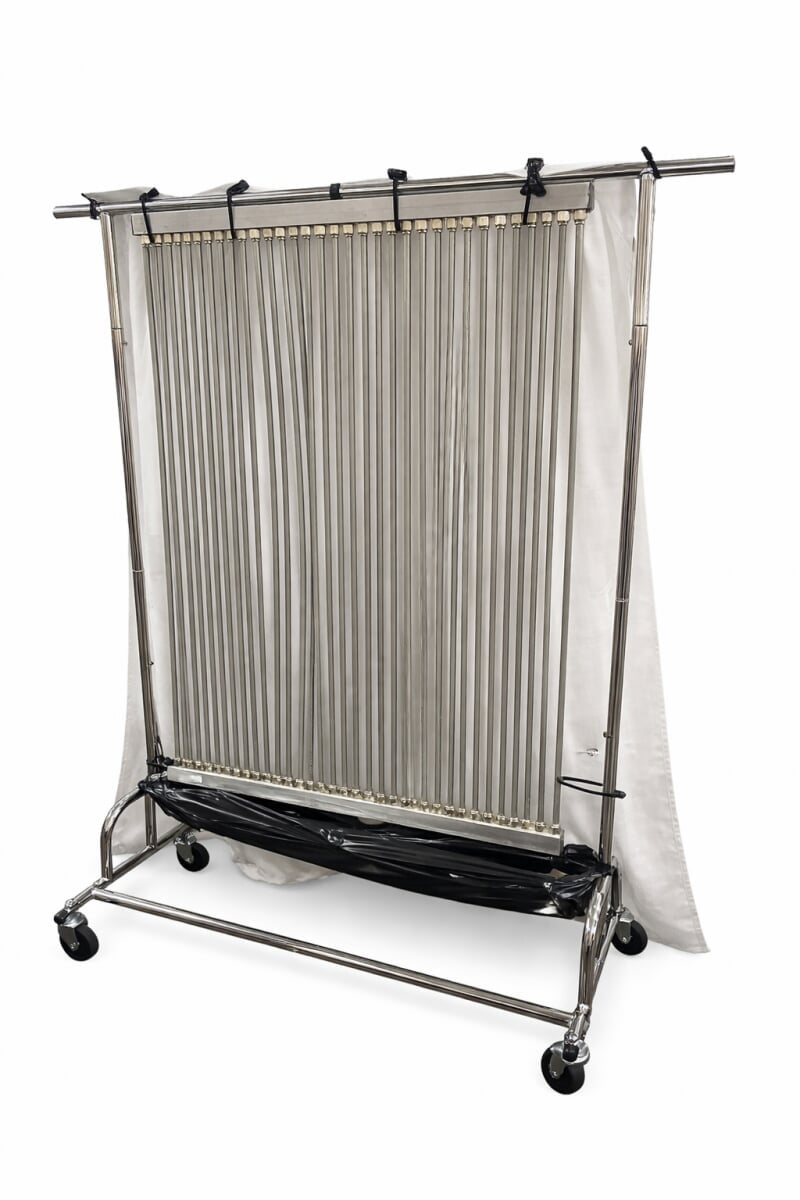
The Medical Tent Environmental Controls project aims to develop a system to improve patient comfort and provider performance within medical tent environments. The system addresses key factors, including sound mitigation, lighting optimization, and temperature regulation. This project focuses on the tornado alley region and is currently in its second prototype phase. Our team is currently working to improve the heating and cooling system efficiency and update the user interface to enable temperature adjustment based on detected room conditions.