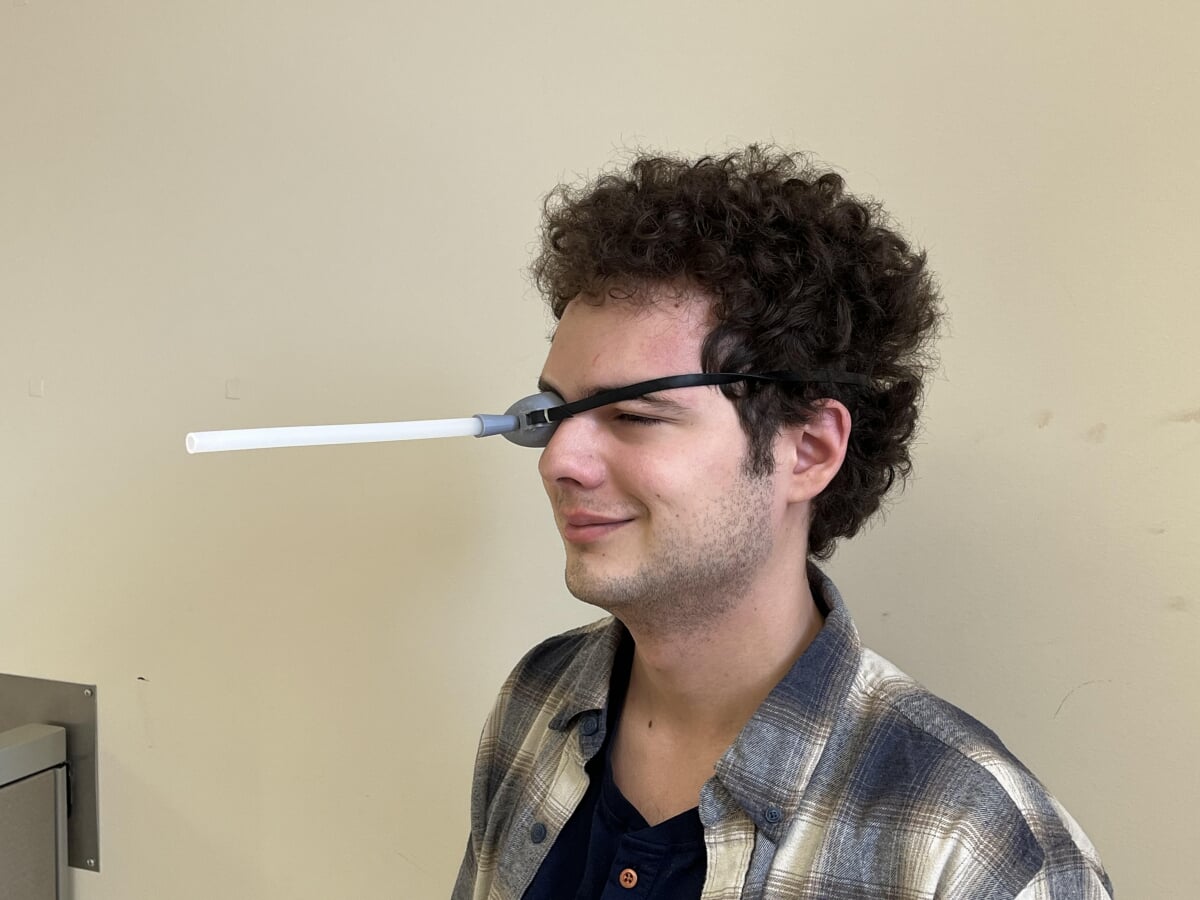

200. Gravitational Reservoir & Energy Generator
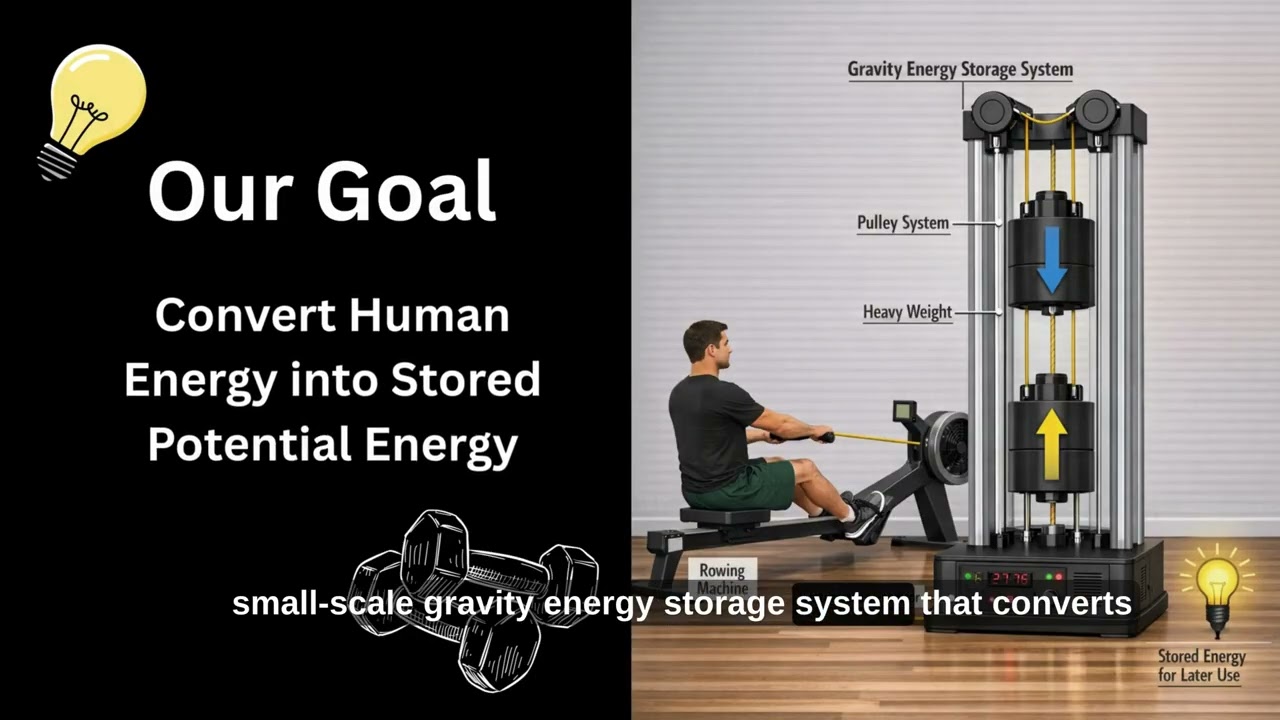
The goal of the Gravitational Reservoir and Energy Generator project is to design and develop a small-scale mechanical energy storage and generation system that converts human mechanical input into stored gravitational potential energy and usable electrical power. The system consists of a mechanical lifting mechanism, gear and ratchet assembly, structural frame, and an electrical generation subsystem including a generator and lighting load. The main purpose of this project is to demonstrate how gravitational potential energy can be stored and later converted into electrical energy in a compact and educational prototype system. This project is currently in its development phase. During this phase, the team is refining the mechanical structure, optimizing gear ratios and ratchet mechanics, integrating the generator and electrical components, and conducting modeling and simulation to evaluate system performance and efficiency.
201. Silicon Carbide Modeling and Process Design
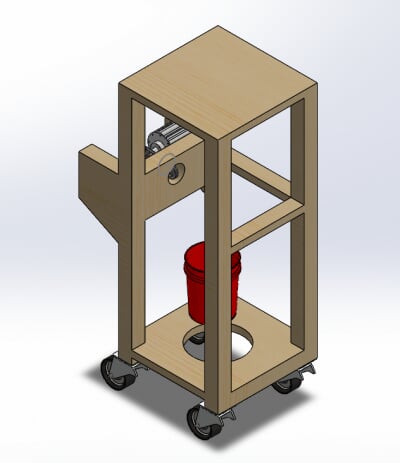
The objective of the silicon carbide modeling and process design project is to build a lab-scale Acheson furnace to optimize the production of silicon carbide. The Acheson process operates above 2100 °C, requiring specialized furnace design and high-temperature refractory design. Furnace designs were tested using ANSYS thermal and electrical solvers to ensure adequate internal heating with safe external temperatures. FactSage thermodynamic software was used to determine optimal processing conditions, which were tested in the furnace built by the team.
202. Additive Metal Trim Inserts

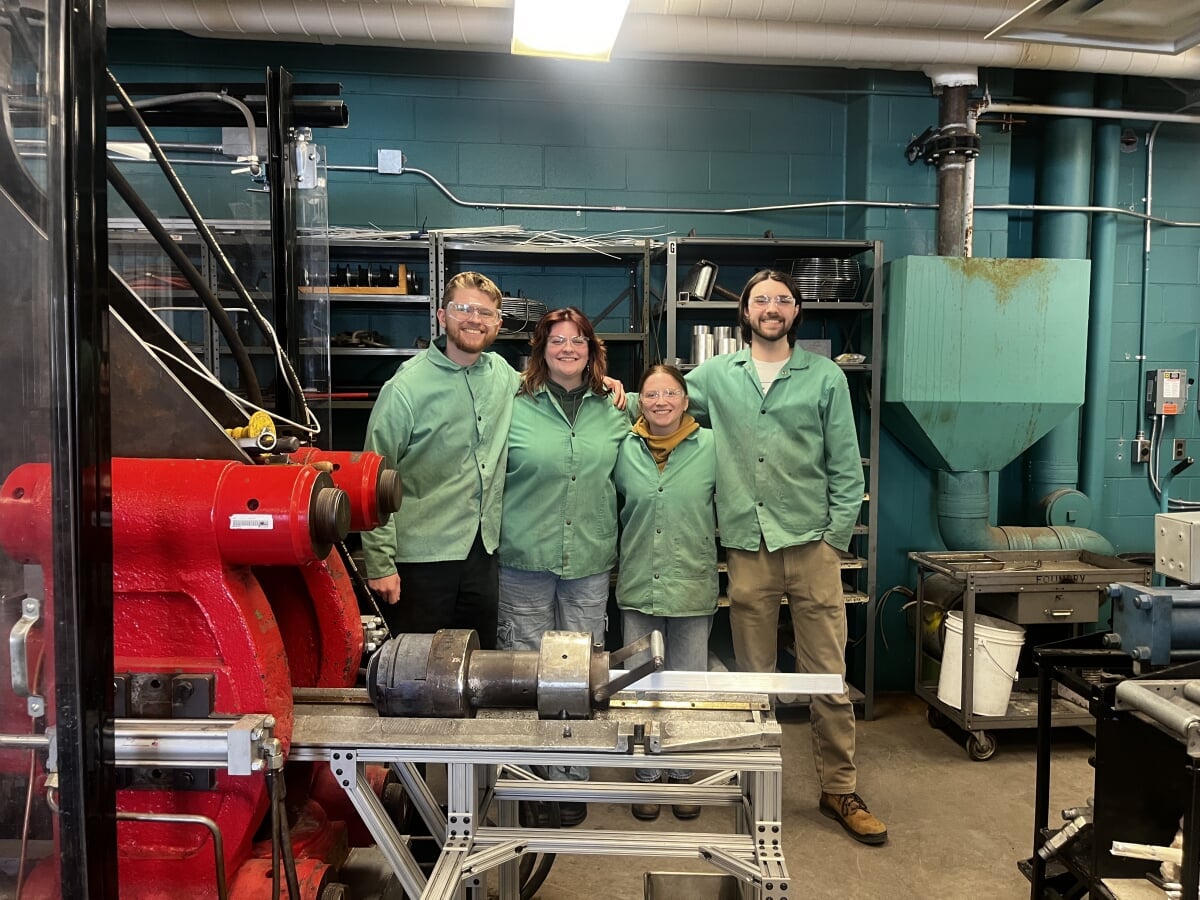
The goal of this project is to develop a high-performance trim tool manufactured via Laser Powder Bed Fusion (LPBF) using a proprietary steel powder. The primary objective is to determine if an additively manufactured component can achieve superior performance and wear resistance compared to conventionally produced industrial tooling. Current efforts focus on optimizing processing parameters to ensure high material density, alongside metallurgical characterization and post-processing heat treatments. To evaluate performance, the team engineered a custom hydraulic press that mimics real-world industrial cutting conditions. Since no official industry standard exists for sheet steel cut quality, this project aims to prove the viability of next-generation additive manufacturing.
203. Fidget Counter Solder Kit

The goal of this project is to design and develop two low-cost fidget solder kits that introduce users to basic electronics and circuit design. The first kit is powered and controlled by an Arduino, allowing programmable interaction and experimentation. The second kit operates using discrete logic components to demonstrate fundamental digital electronics without microcontrollers. The team designed custom printed circuit boards for both kits and selected all electronic components with a focus on minimizing cost while maintaining reliability. These kits are intended to provide an engaging, hands-on way for beginners to learn soldering and electronics assembly.
204. Bluetooth-Controlled Smart Outlet

The objective of the Bluetooth-Controlled Smart Outlet project is to design and implement a device that enables remote switching of standard U.S. receptacles through a Bluetooth-enabled application interface. The system supports both manual control and programmable scheduling, with real-time feedback of the outlet’s operating state provided within the application. Key design priorities included minimizing production cost to ensure market competitiveness and incorporating weather-resistant features to support reliable operation in outdoor or harsh environments.
205. IoT Device Security Audit For Better Privacy

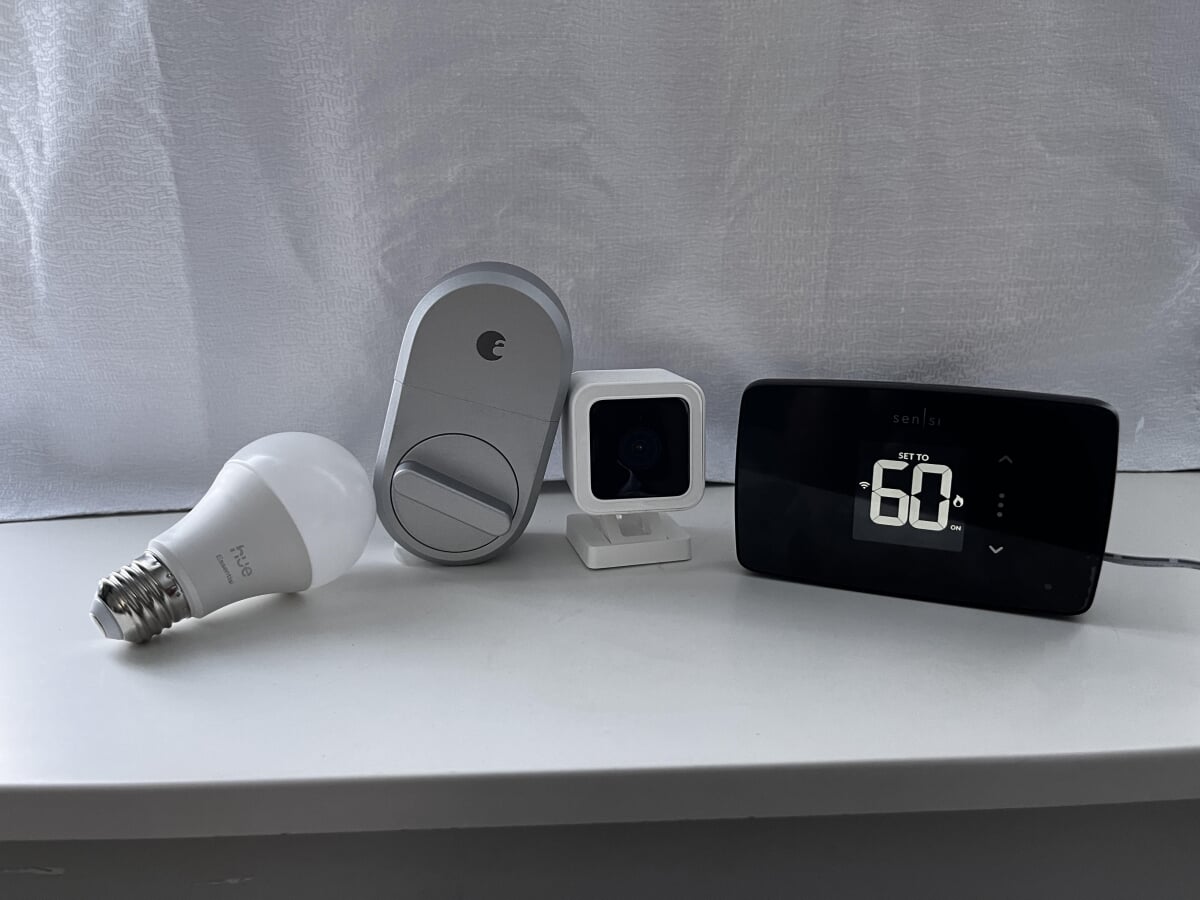
By using the latest penetration testing practices, auditing methodologies, and threat intelligence, we will audit popular IoT devices and evaluate their overall security posture and design. Our mission is to supply consumers with information to aid them when purchasing these devices, while incentivizing manufacturers to prioritize better security practices and methods when designing these devices. And through these efforts, we can improve the design of future IoT devices and create a secure and well-designed ecosystem.
206. Emergency Alert System Security Verification
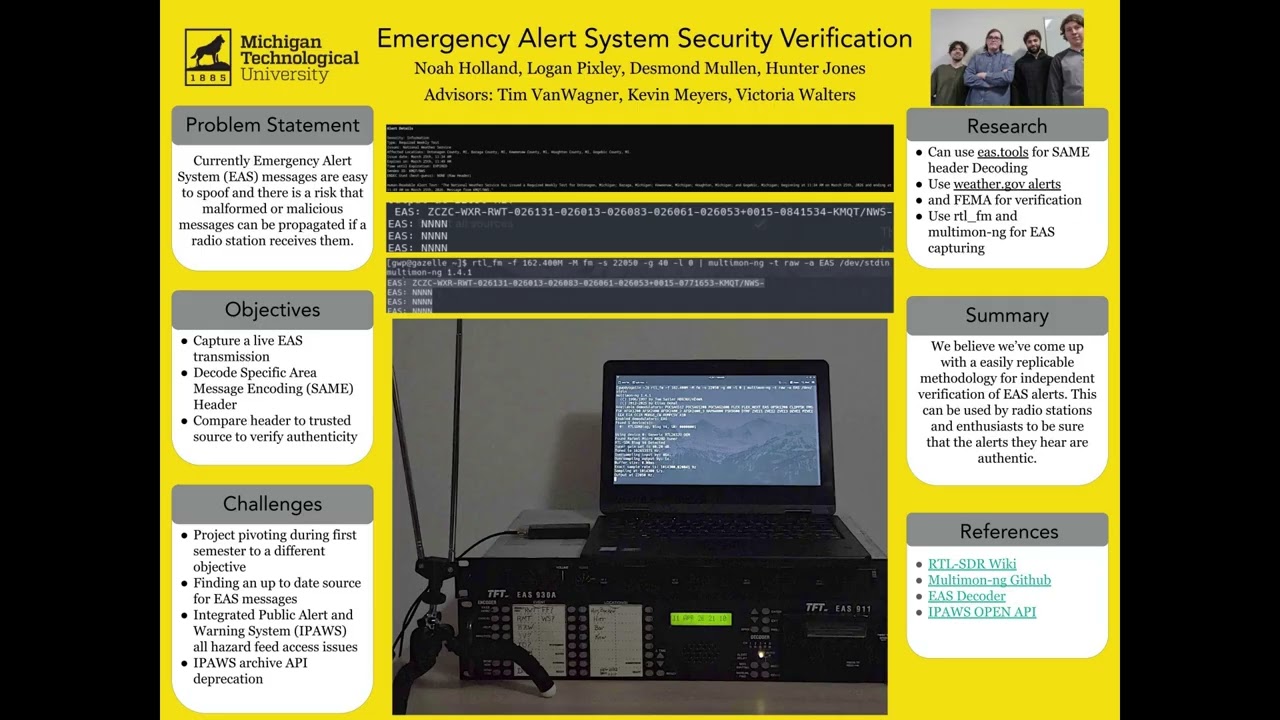
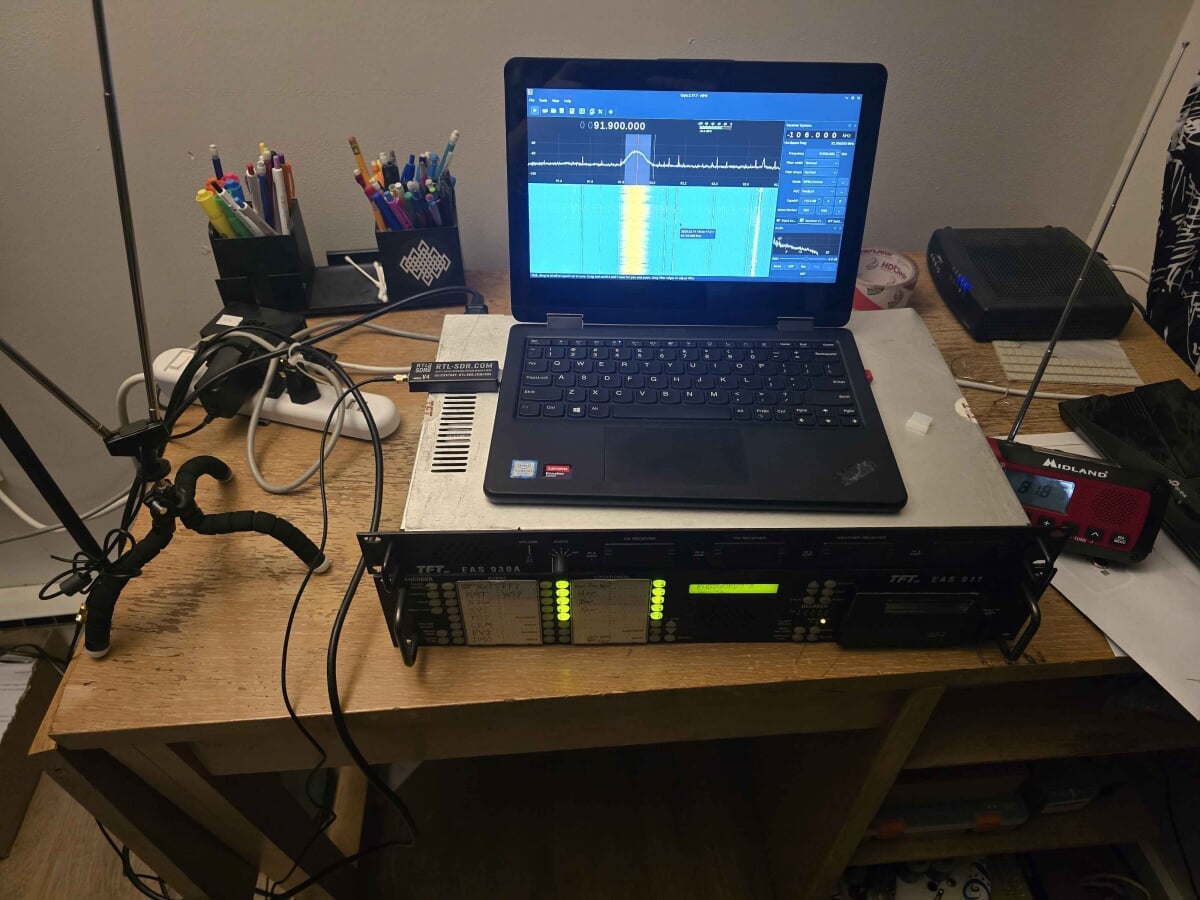
The goal of the Emergency Alert System Security Verification project is to provide a system for authentication of EAS transmissions broadcast by radio stations, utilizing a TFT EAS 911, a TFT EAS 930A, and an RTL-SDR for receiving and decoding EAS alerts before comparing them with official alerts sent through the IPAWS alert archive. Our primary goal is to verify if the alerts sent out are factual and not falsified, or, if they are falsified, to quickly act on potential station hijacking.
207. Superior Cyber Range: Container Escape Scenario

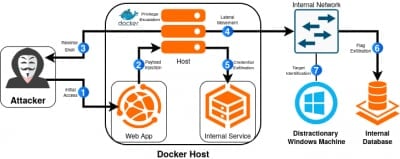
The goal of the Container Escape team is to contribute a scenario for MTU's Superior Cyber Range. Participants will perform the role of an attacker who must escape a container, demonstrate lateral movement between containers (and an internal network), exfiltrate sensitive data, and perform reconnaissance to identify target devices.
208. Acoustic Door Traffic Detector

The Acoustic Door Traffic Detector project serves to build a system which can detect human foot traffic through a doorway using acoustic sensing technology. The primary use case for this device is to track occupancy count in a room without collecting any personally identifying information. The current phase of the project is focused on building our prototype model as well as developing the software necessary for data visualization and occupancy count tracking.
209. Calcified Lesion Heart Model

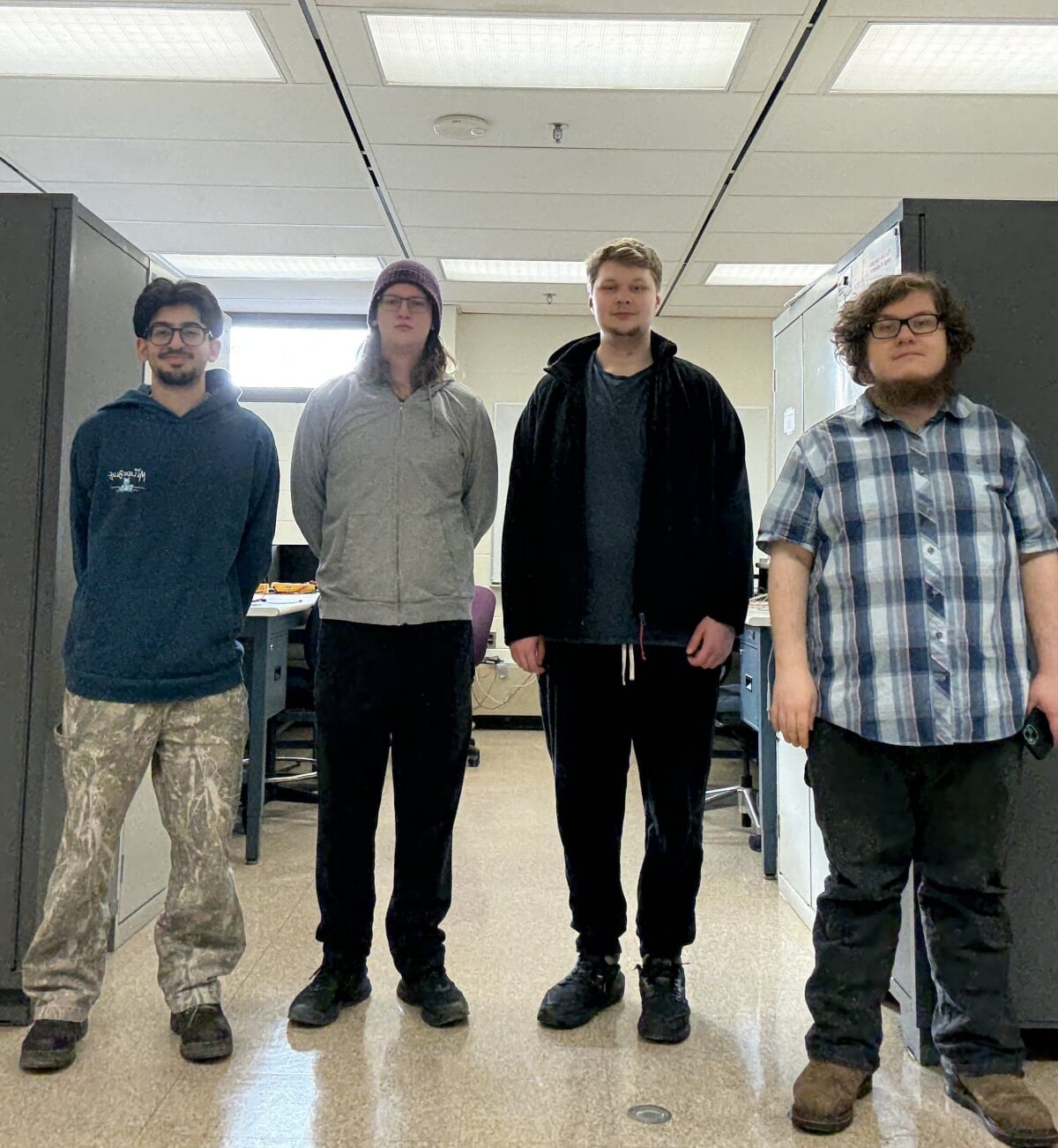
The goal of this project was to design and build an improved 3D benchtop model based off what Boston Scientific previously was using. The main purpose of this model is to allow for easier insertion and removal of the calcium lesion surrogate material while providing a consistent, repeatable environment for testing current and future Boston Scientific devices. The project is in the second half phase. In this phase the team is putting together all of the parts for the prototype and doing Gaga R&R and verification/validation testing.
211. Modeling Tissue Heating and Designing a Light Therapy Device for Use in Shower Environments

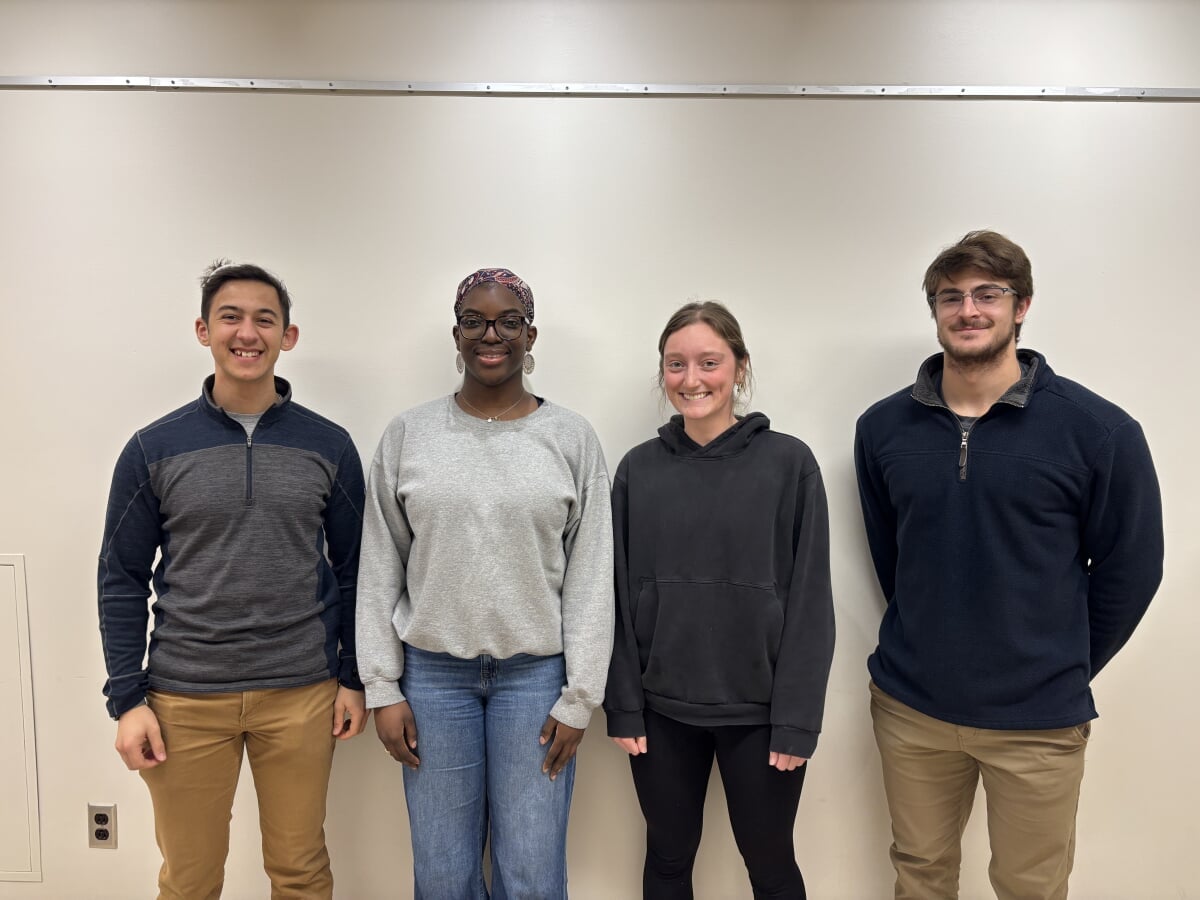
The use of light therapy in wellness is a growing industry. Understanding how to incorporate light therapy into wet environments without compromising efficacy can increase the availability of this technology and improve the consistency of use. This team focused on developing a code based off of a Monte Carlo Multi-Layered code by Dr. Anders Kragh Hansen. The code was modified for shower environments to model light propagation and heat deposition in human skin. This model is aimed to assist with prototyping Low-Level-Laser-Light Therapy devices in shower and sauna environments to promote efficiency and safety in the design.
212. Ignition Perspective Project Tracking Dashboard

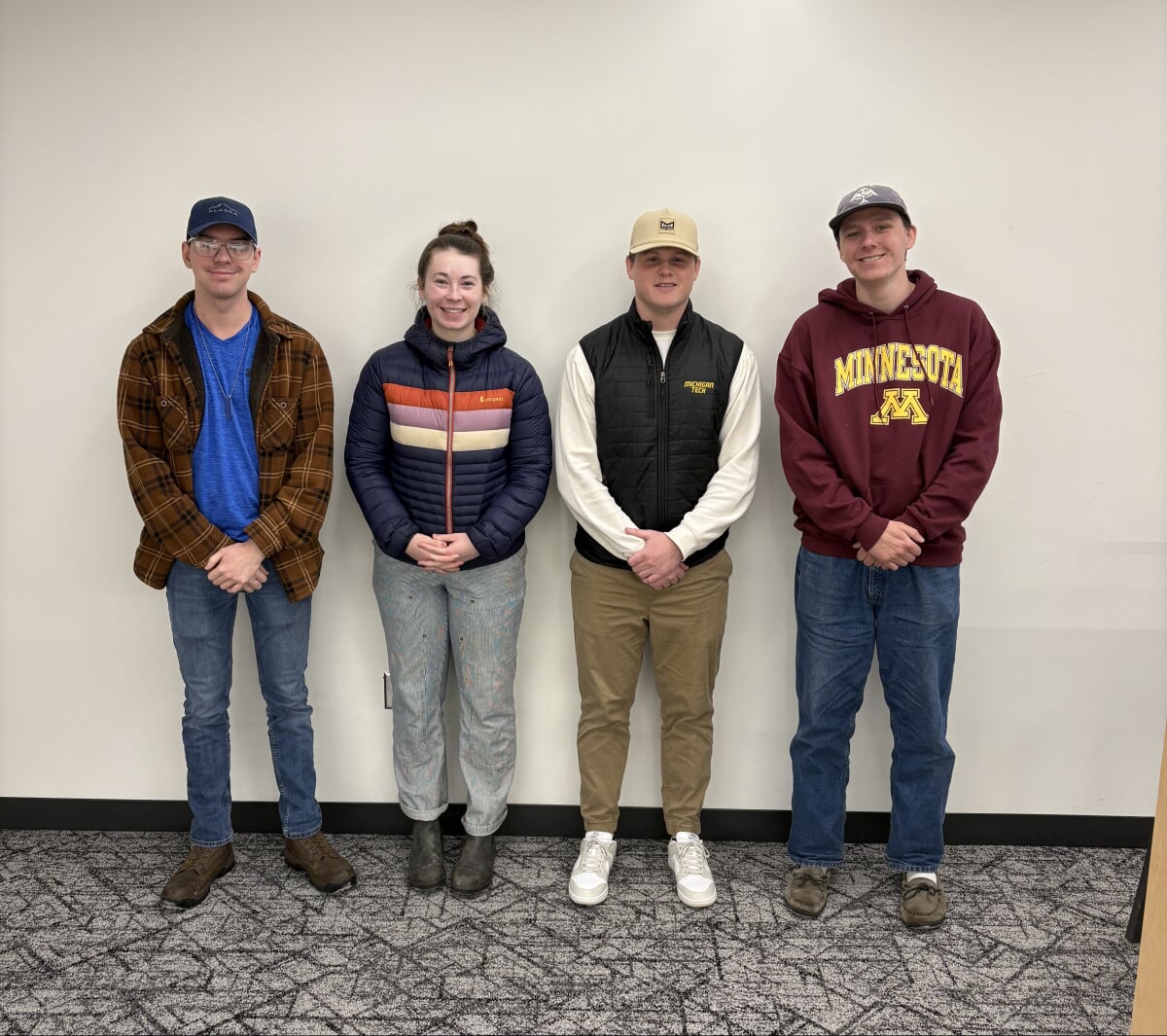
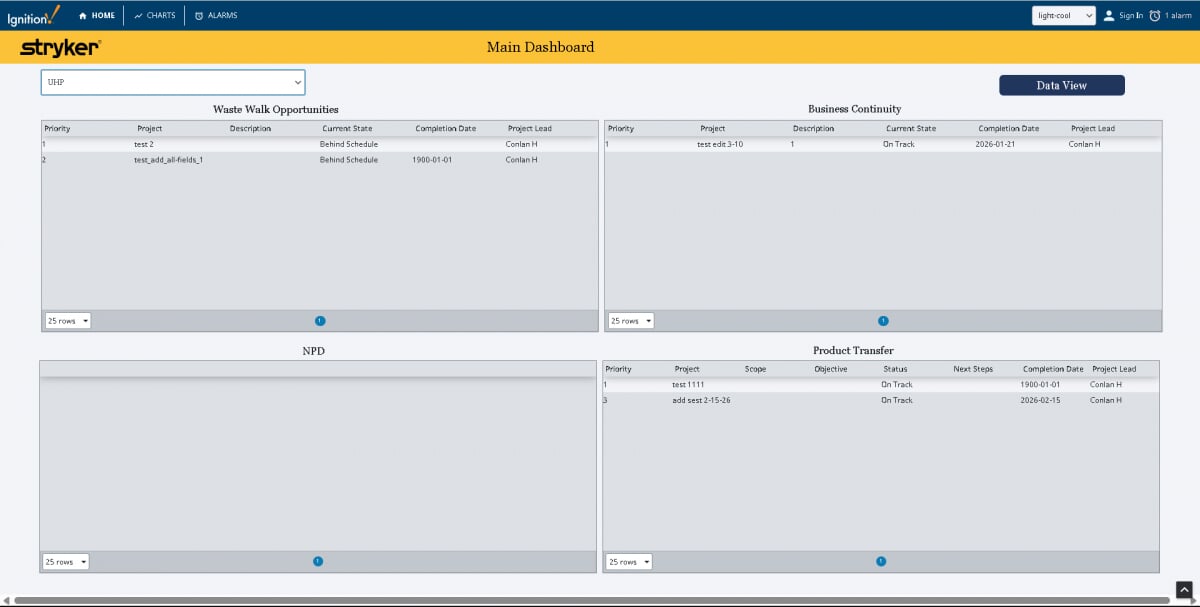
The goal of this project is to design and develop an Ignition Perspective dashboard that centralizes project data in a structured SQL database. The solution will support both desktop and mobile access, providing a scalable platform for managing objectives, milestones, comments, and progress. The main purpose of this project is to develop a more accessible and efficient version of Stryker's existing project management system, currently used in its manufacturing facility. The Main Dashboard allows users to select different project areas, which then populate relevant project data. The project also includes a Data View page that displays all project data and allows engineers to add or edit entries.
213. Smart Medication Dispenser
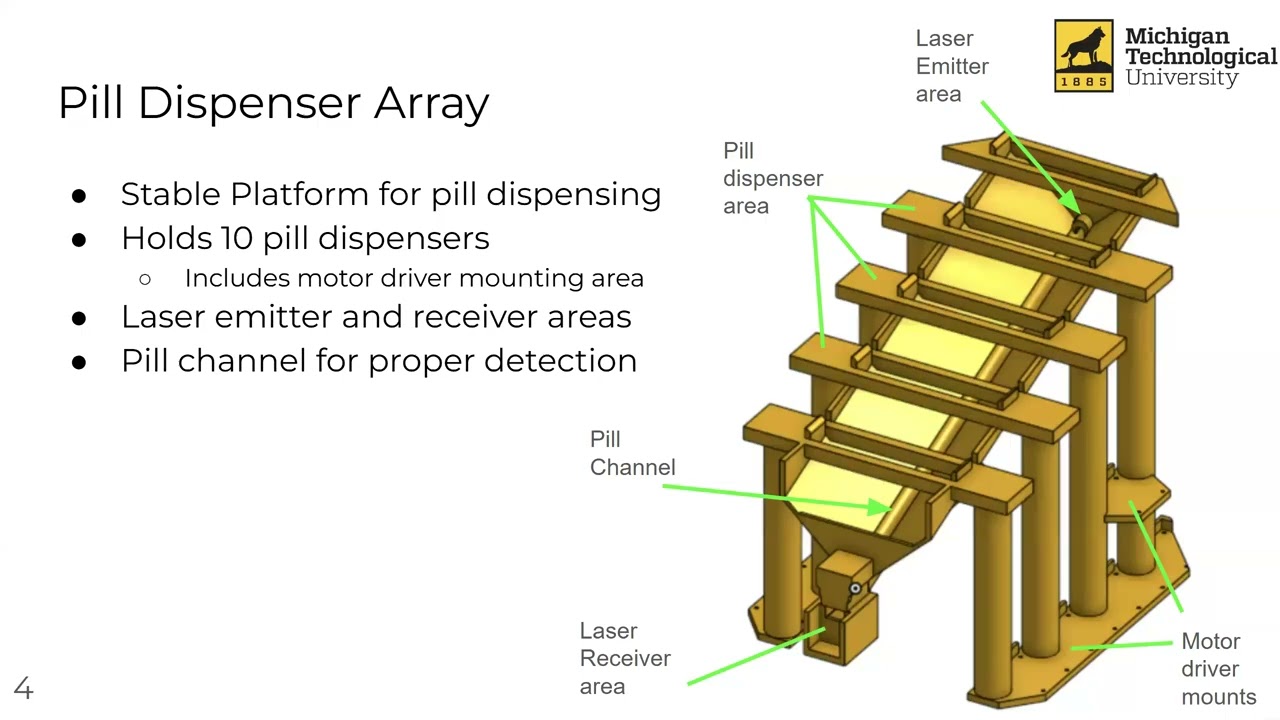
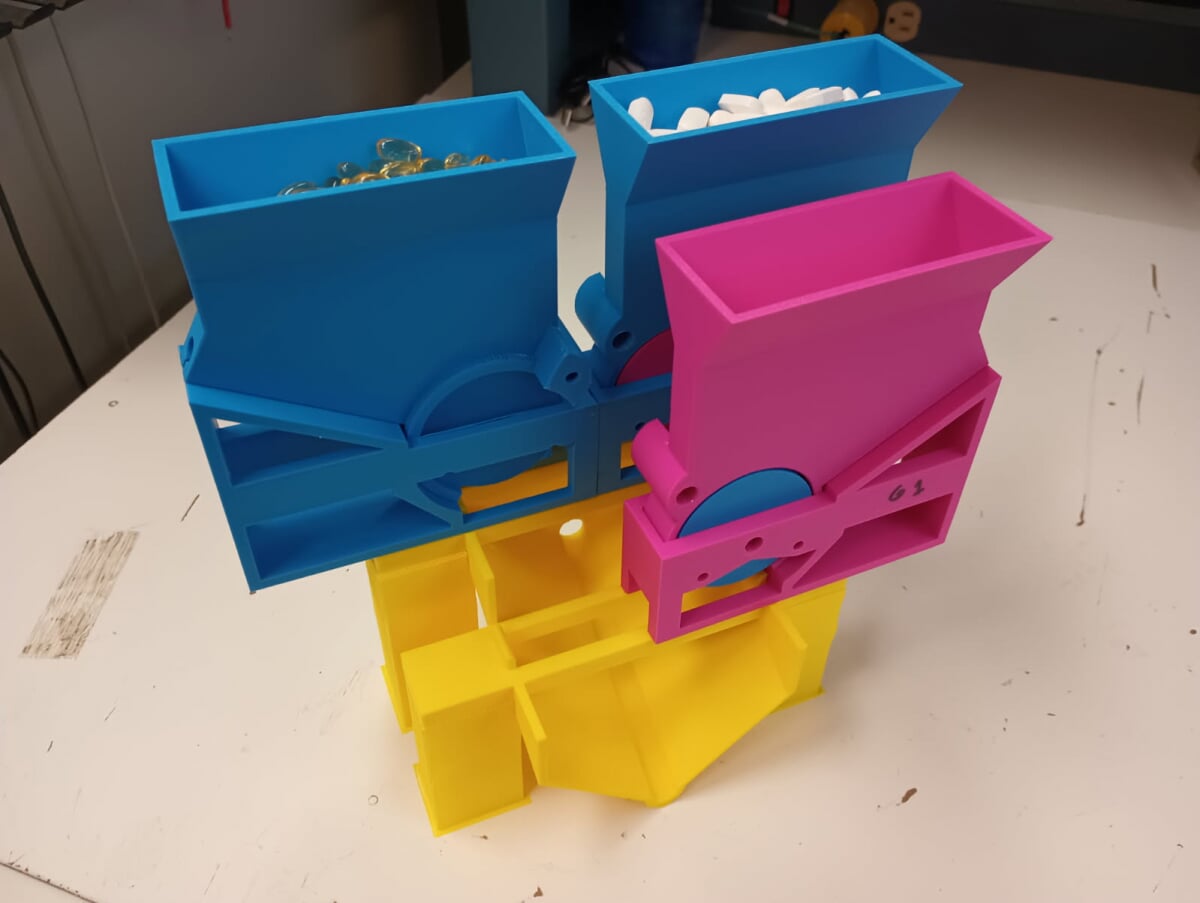
The goal of the smart medication dispenser is to provide a reliable and inexpensive option for families to safely hold and dispense their medication at regular times. The medication dispenser has a touchscreen with capabilities to manage users and medication schedules. This medication dispenser aims to improve upon the current options on the market that require monthly subscriptions and dispense incorrect dosages for medication. This project is currently in the final stage, where individual components are being integrated into the final system.
215. Cleanroom Vision System Inspection Environment
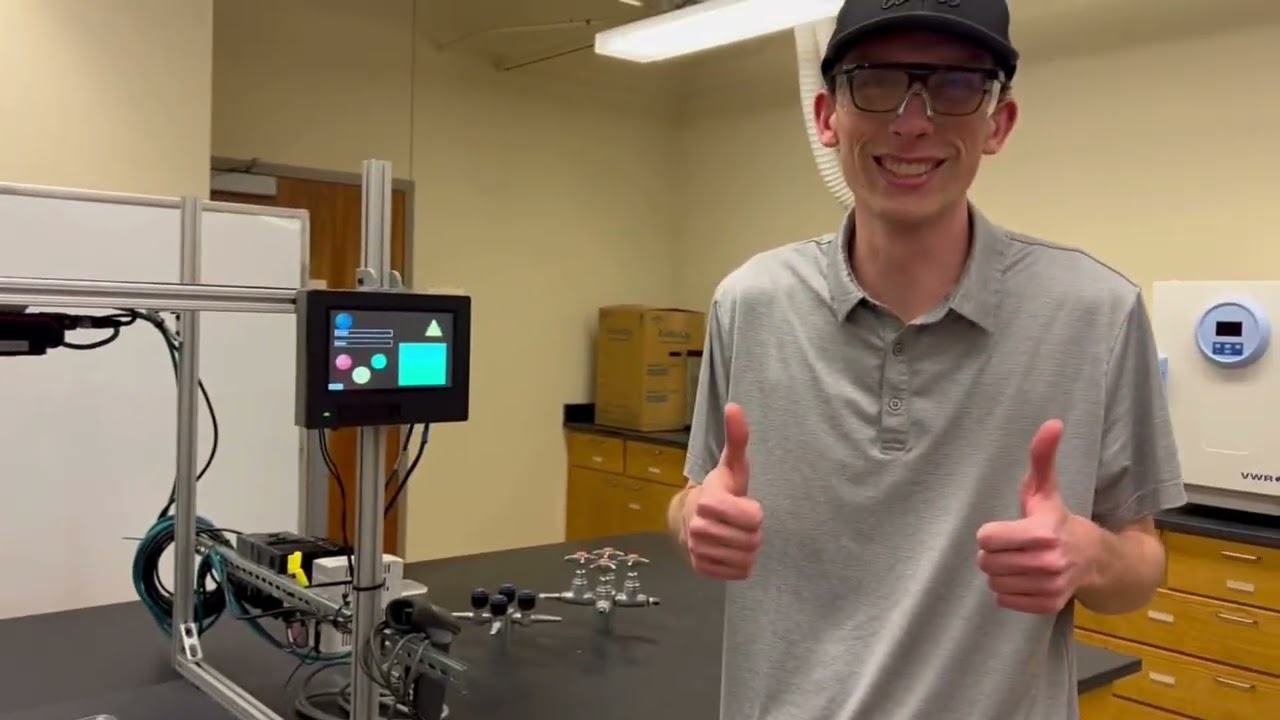
The Cleanroom Vision System Inspection Environment project goal is to create a system that is capable of detecting present and missing components within a medical device tray. The system is intended to be implemented alongside a user operator who would load the medical device tray into the environment and scan the associated barcode to run the detection software. The project is currently in the process of software testing and image optimization, with a logic controller and screen connected for data processing and display.
216. Production Machining and Design
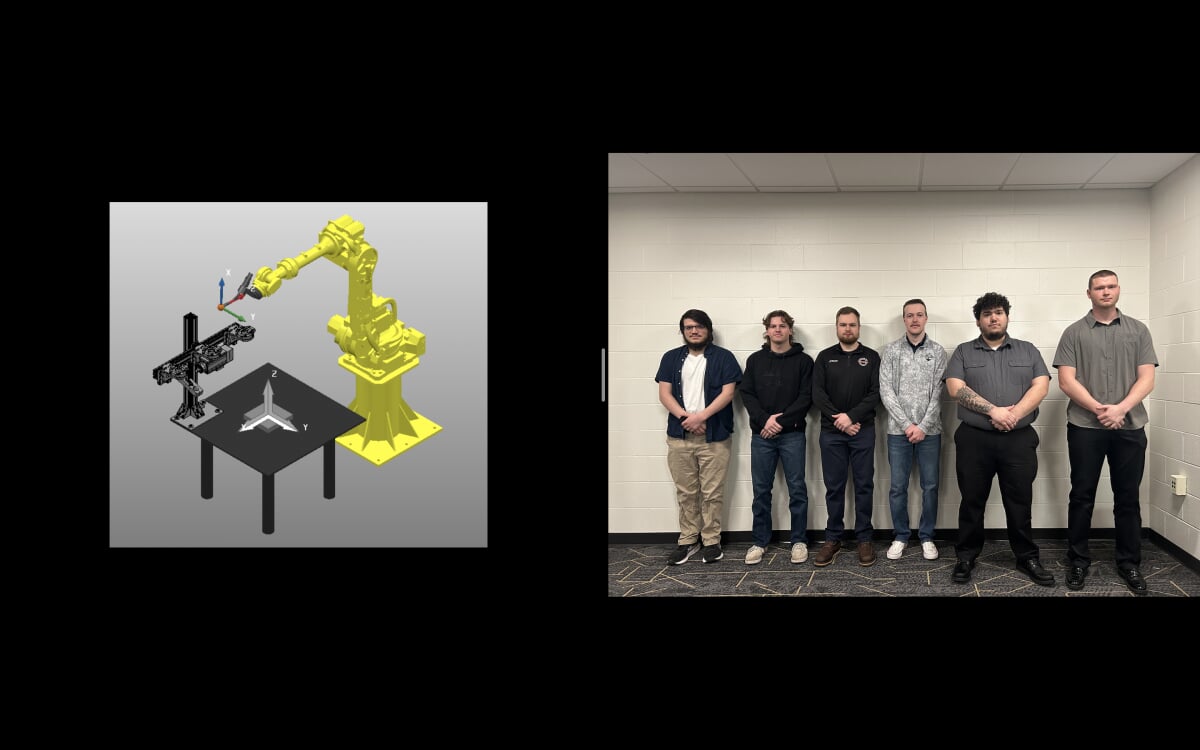
The goal of the WAAM robotic manufacturing project is to develop a high-precision automated welding cell, including a Fanuc industrial robot, a custom-manufactured tool rack, and a digital twin simulation environment. The main purpose of this integration is to enable seamless Offline Programming (OLP) via Autodesk PowerMill, allowing the team to generate and verify complex welding paths digitally before physical execution. This project is currently in the validation phase. In this phase, the team is synchronizing the physical tool rack with the 3D PowerMill model to ensure the robot executes programmed tasks with exact fidelity.
217. Harmonic Measurement Modeling for Transmission Applications

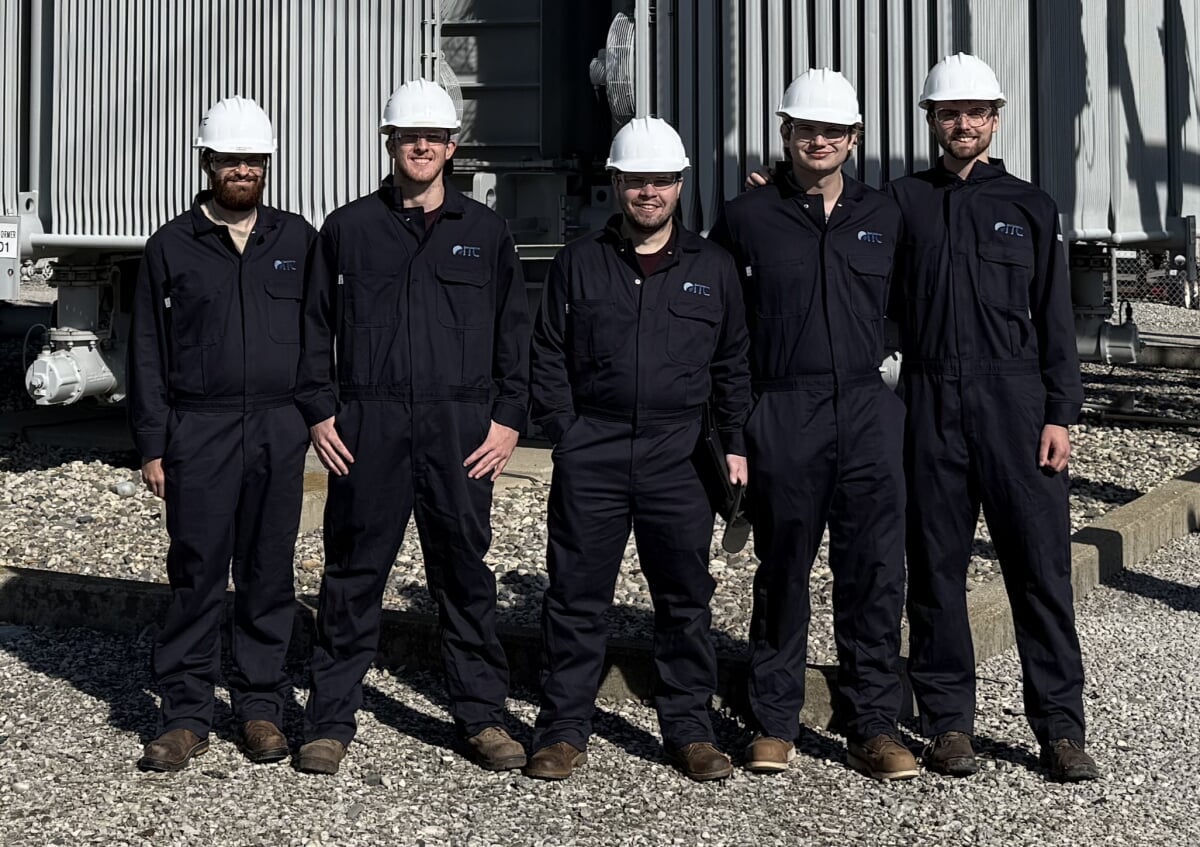
The goal of the Harmonic Measurement Modeling for Transmission Applications project is to evaluate devices used to measure harmonic content on high-voltage transmission systems. Working with ITC Holdings Corp., our team is analyzing the Trench Harmonic Monitoring Device (HMD) and the Ritz PQ Sensor to determine their ability to accurately pass harmonic signals when used with Trench TEMP145 Coupling Capacitor Voltage Transformers (CCVTs). Using tools such as ATP, EMTP, and MATLAB, we are developing simulation models and validating them through laboratory measurements and testing. The results will help ITC determine the most effective retrofit solution for monitoring harmonics on existing transmission infrastructure.
218. Radar Demonstration System

The Radar Demonstration System team was challenged with creating a system that demonstrates real-time radar detection in a college classroom. Our goal was to create a mobile radar system that alerts for stationary or moving hazards to assist sight-limited persons navigate in everyday life. To accomplish this goal, the radar system was designed around a software-defined radio (SDR). The SDR uses transmitting and receiving antennas to simultaneously send and receive electromagnetic signals to detect hazards. Then, an auditory alarm will sound to alert the user.
219. Building a Roof Rack that will be able to hold any kind of board
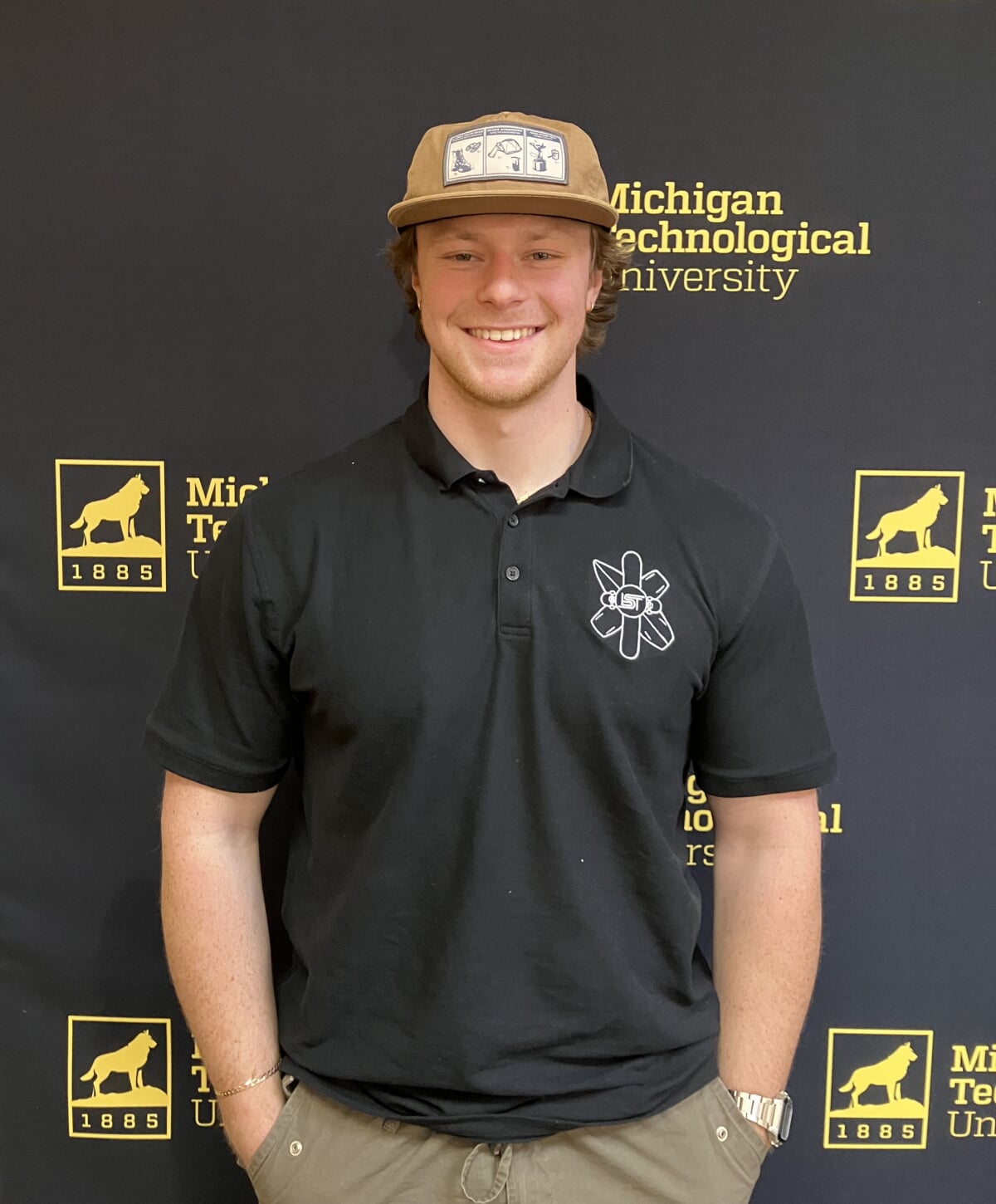
The goal of the universal board roof rack is to design and manufacture a vehicle roof rack that can securely hold any kind of board that the user desires, from a snowboard to surfboard. The purpose of this project is to provide an inexpensive and safe product for consumers who need a versatile piece of equipment to aid their lifestyle. This project is in its second phase. In this phase, the focus is first on finalizing the mounting bracket design to ensure maximum security while improving tolerances. The next focus is to procure the materials needed to manufacture the assembly and then test the product in the real world.
220. Hive Sense
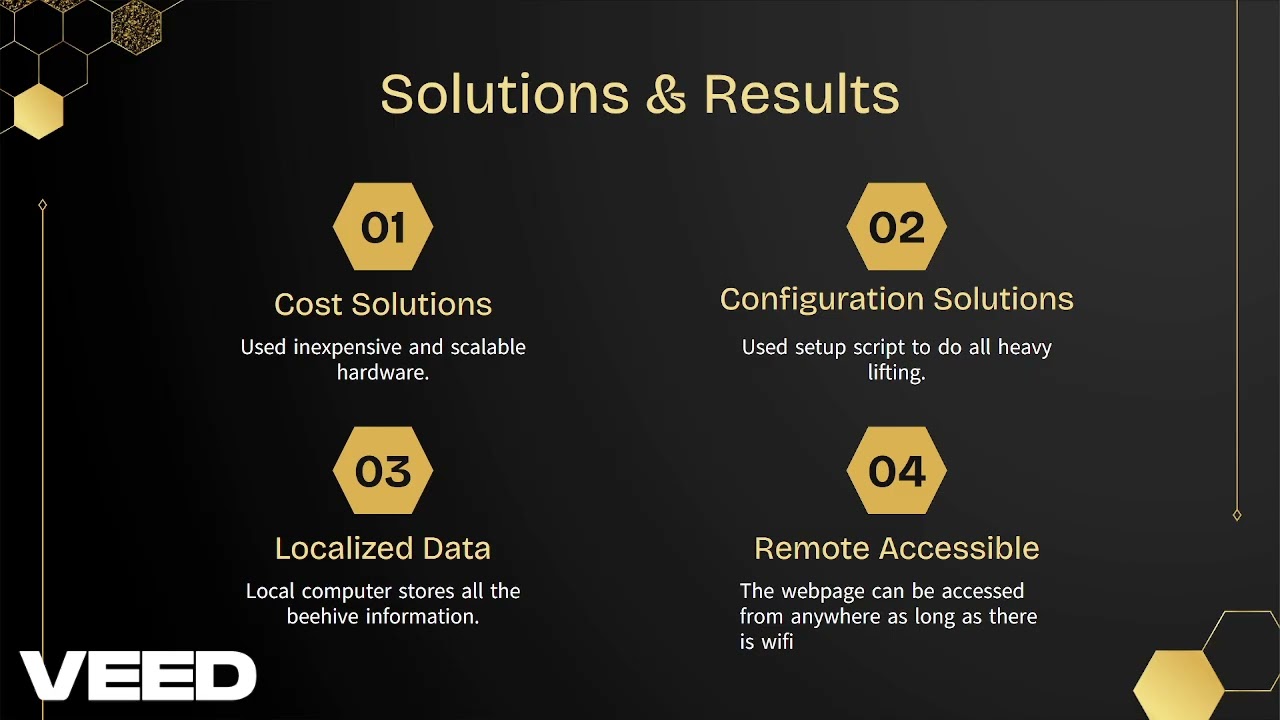
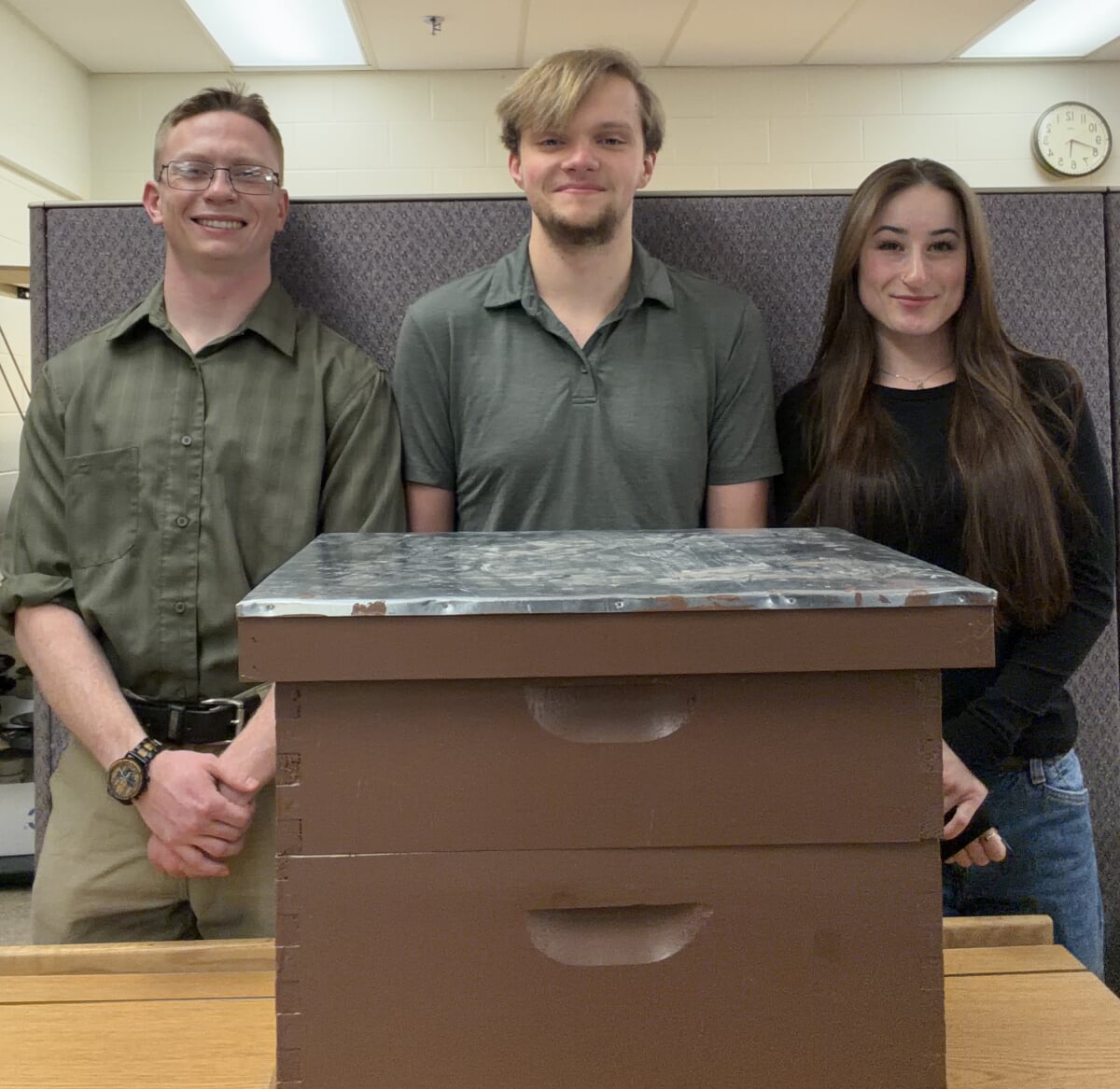
The goal of the Hive Sense Project is to develop a simple, affordable, and scalable monitoring system designed to track key indicators of honey bee colony health, such as temperature and humidity within a beekeeper's bee hive. Due to increasingly unpredictable climate conditions, maintaining stable hive environments has become more challenging for beekeepers. The primary purpose of this system is to provide beekeepers with continuous, real-time insight into hive conditions through a network of integrated microcontrollers and sensors through a remotely accessible dashboard.
221. EERC 328A Server Room Monitoring

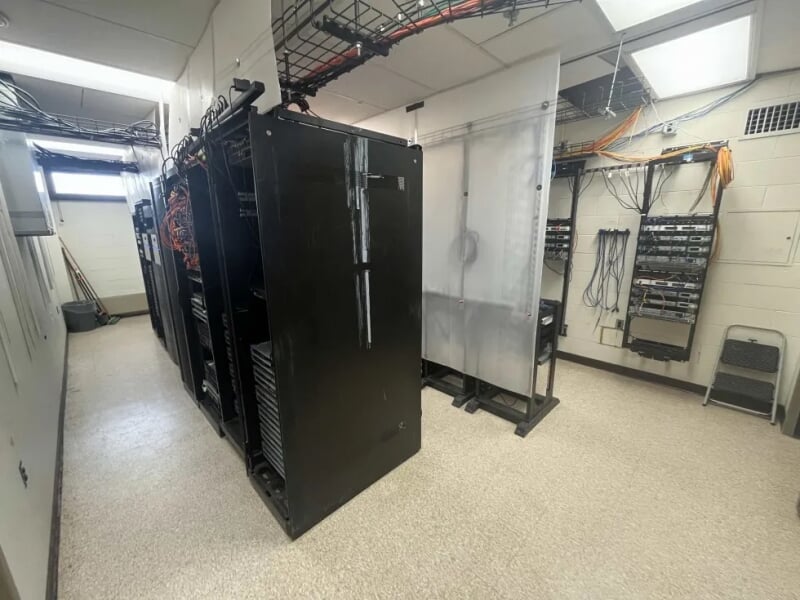
The goal of our server room monitoring project is to monitor the physical aspects of the server room. Highlights of these aspects include temperature, humidity, power output, and water detection. We plan to integrate each monitoring software that we use into HomeAssistant. The main purpose of having all the data in HomeAssistant is to create a simple dashboard that makes it easy for our professor to monitor and analyze the data from a singular application. This project is currently in its third phase. In this phase, we plan to implement a monitor within the server room, where all the data and statistics can be monitored on a screen.
222. Offroad Electric Cart
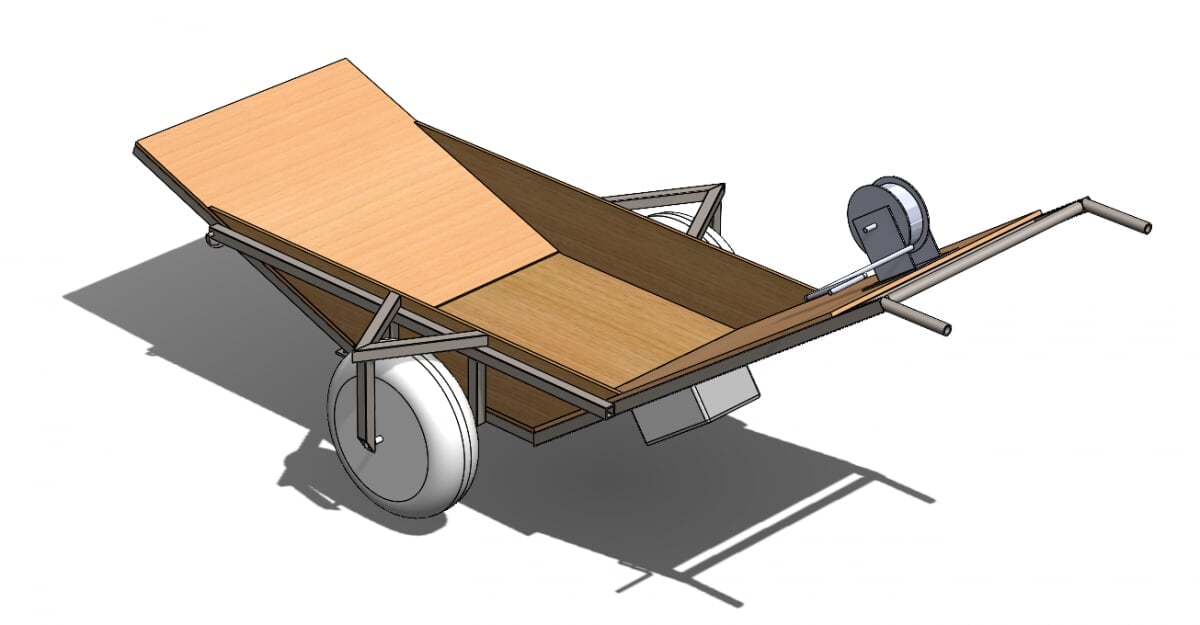
This project focuses on the design and development of an off-road electric cart engineered to safely and efficiently haul game out of the uneven wooded terrain. Traditional methods of field retrieval include dragging the animal on the ground, quartering the animal up into game bags and carrying the load on your back in the form of a backpack. Both these strategies require significant physical effort and pose safety risks. The electric cart addresses these challenges by providing a reliable user-friendly solution for hunters.
223. Mitigation of hot isostatic pressing (HIP) sink in castings
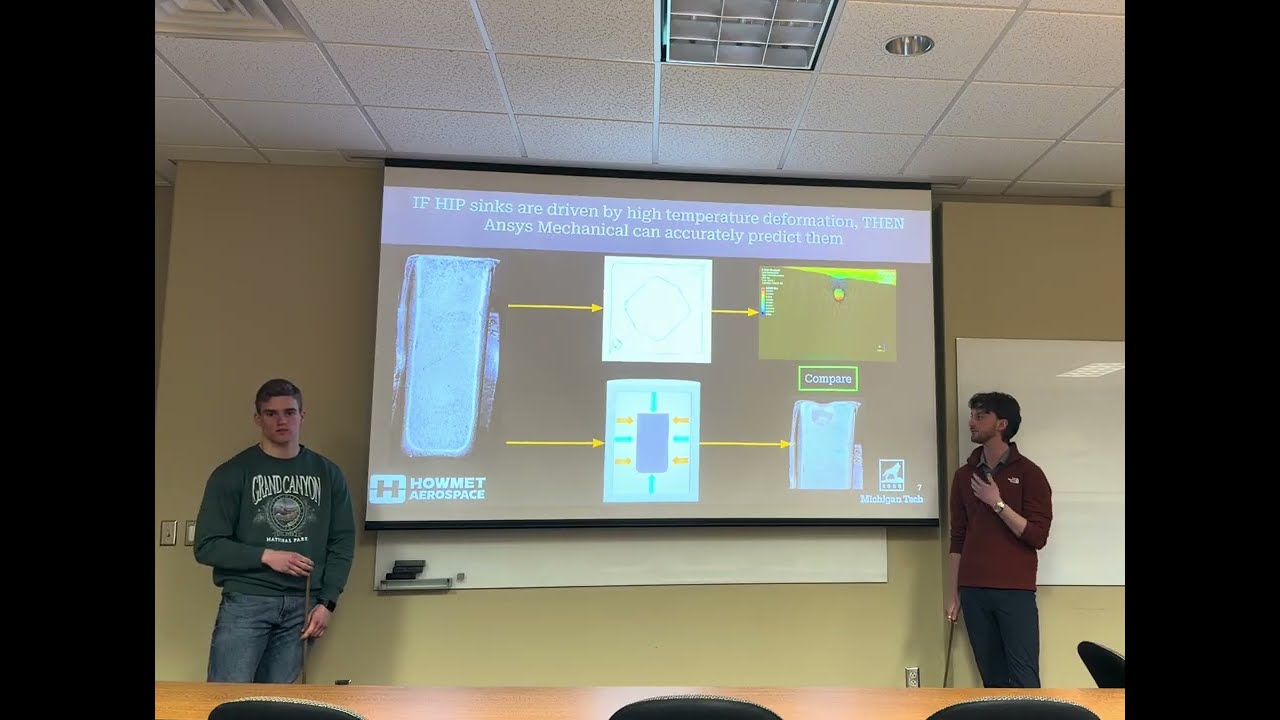
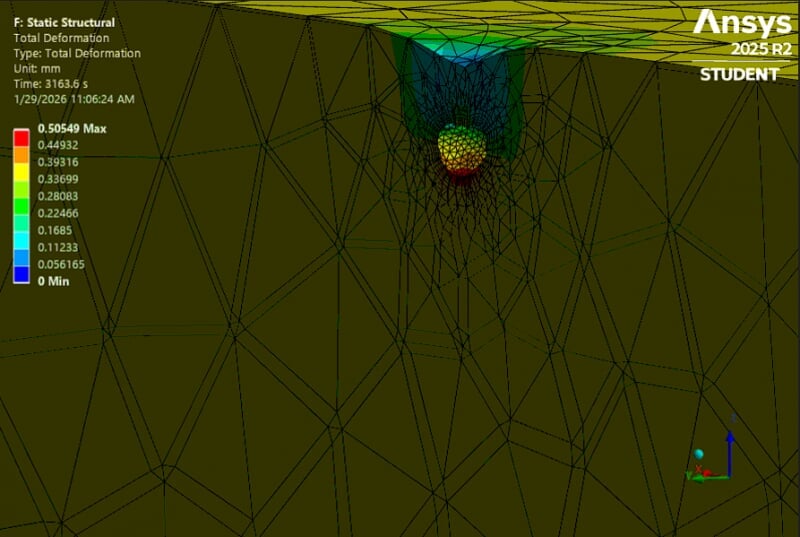
The goal of the HIP sink mitigation project is to develop and validate a finite element analysis (FEA) model that predicts the presence and severity of HIP sinks using casting simulation data. HIP sinks are surface defects in solid castings that form when near-surface porosity closes during the HIP process, pushing surrounding material into the pore and creating a surface depression. The model is validated by comparing simulation predictions with HIP-processed aluminum castings that exhibit the defect. Once validated, this model will allow engineers to predict HIP sink formation when designing new casting geometries, minimizing real-world testing.
224. Compacting Trash Can

The goal of the compacting trash can project is to create a concept for an economically viable trash can which optimizes the trash packing potential of bathroom waste. The purpose of this project is to introduce the concept for a compacting trash can to the under-saturated market. This project is currently in its second prototyping phase. In this phase, the team is modifying the design based on testing from the first prototype.
225. MET Research Mill Enclosure
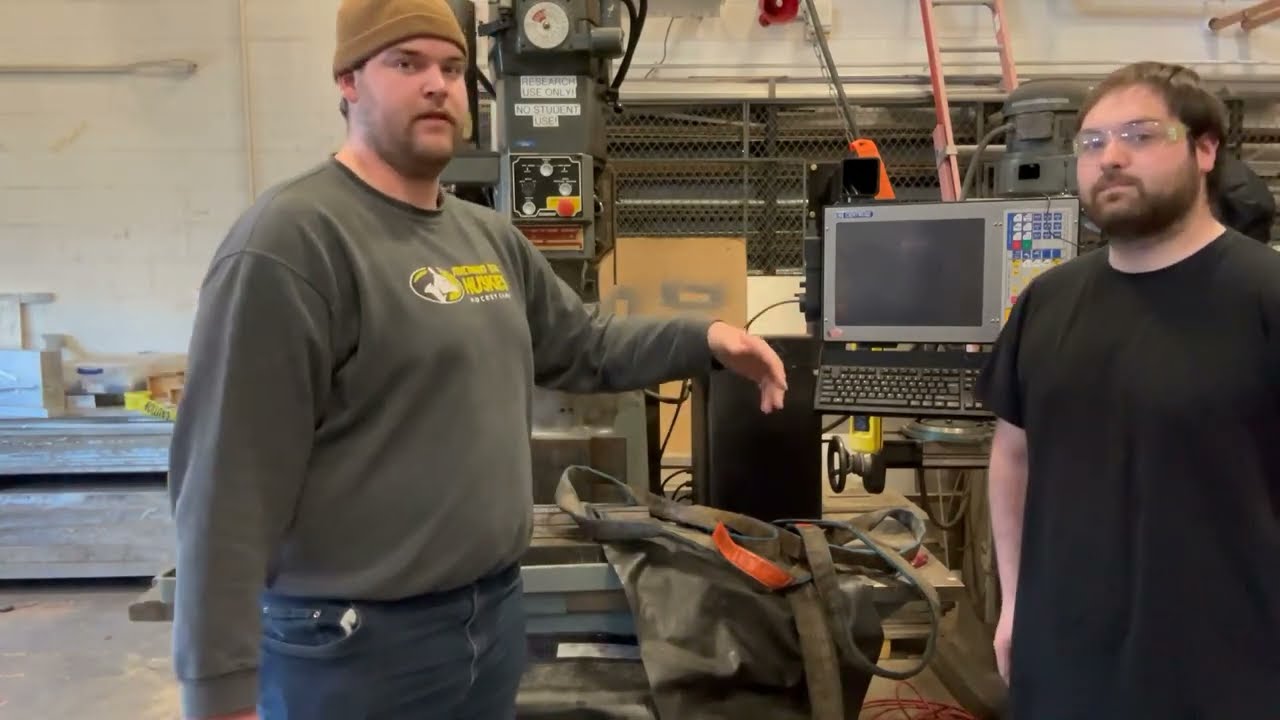
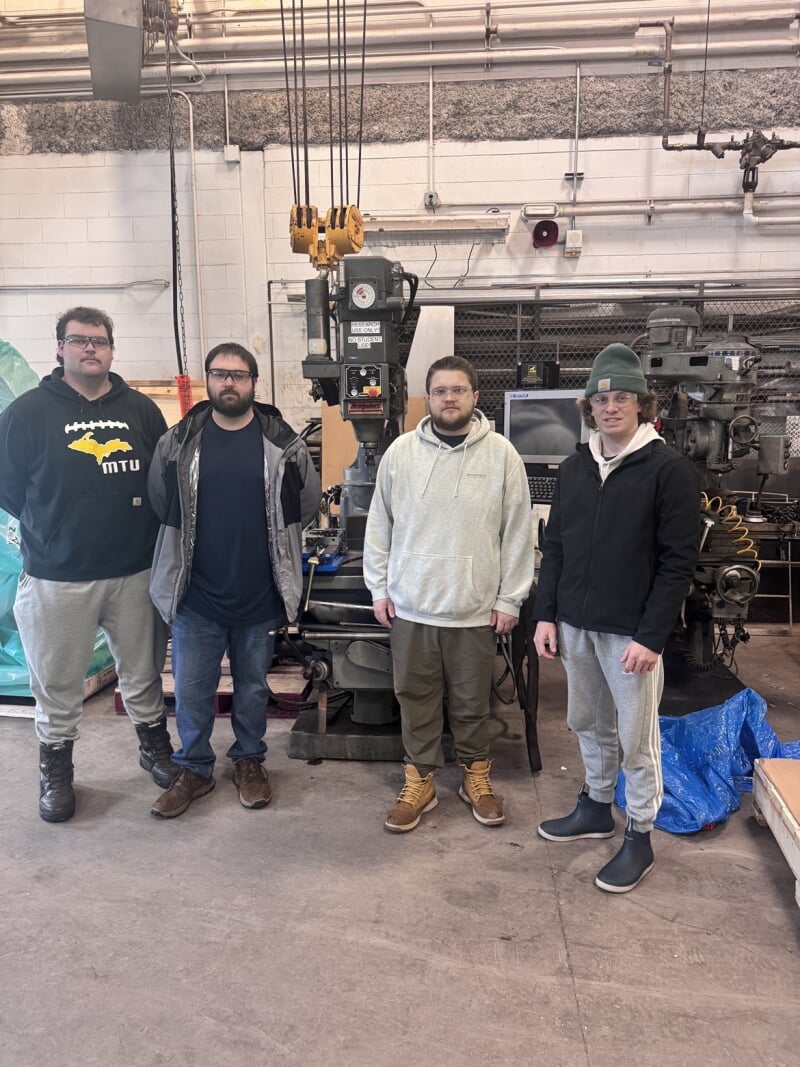
The goal of the MET Research Mill Enclosure project is to develop an enclosure for the 1982 Bridgeport mill in the MET machine shop to allow the machine to run operations including CNC. The enclosure will keep the operator a safe distance away from the machine and protect them and nearby people from flying chips, as well as allowing the installation of a coolant mister and a basin for collecting coolant and chips.
226. Luxury Outdoor Shower System

Our team was tasked to design and build a luxury outdoor shower system for our customer. They currently do not have an outdoor shower option, and provided us with an initial design idea they had for one. The team needed to make their design a reality and keep our customers’ strive for clean, aesthetic, and beautiful pieces in mind. This outdoor shower is targeting an underserved market. It will allow homeowners and luxury hotels to buy outdoor showers that will fulfill all of their needs while being aesthetically pleasing.
227. Conceptual Evaluation of CryoMag Sustainable Operational Usage with NASA

Our mission is to map the impact lunar regolith has on the Artemis program by evaluating how regolith affects the Magnetic Latching Cryo Fluid (CryoMag) Coupler. We shall assess existing and emerging mitigation strategies focusing on multiple regolith simulants. The objective is to produce a lunar testing framework on cryo connectors to identify risks and provide enhancements toward regolith mitigation.
228. Developing Test Bench Stems to Evaluate the Impact of Additives on Components for Jetted Tubs
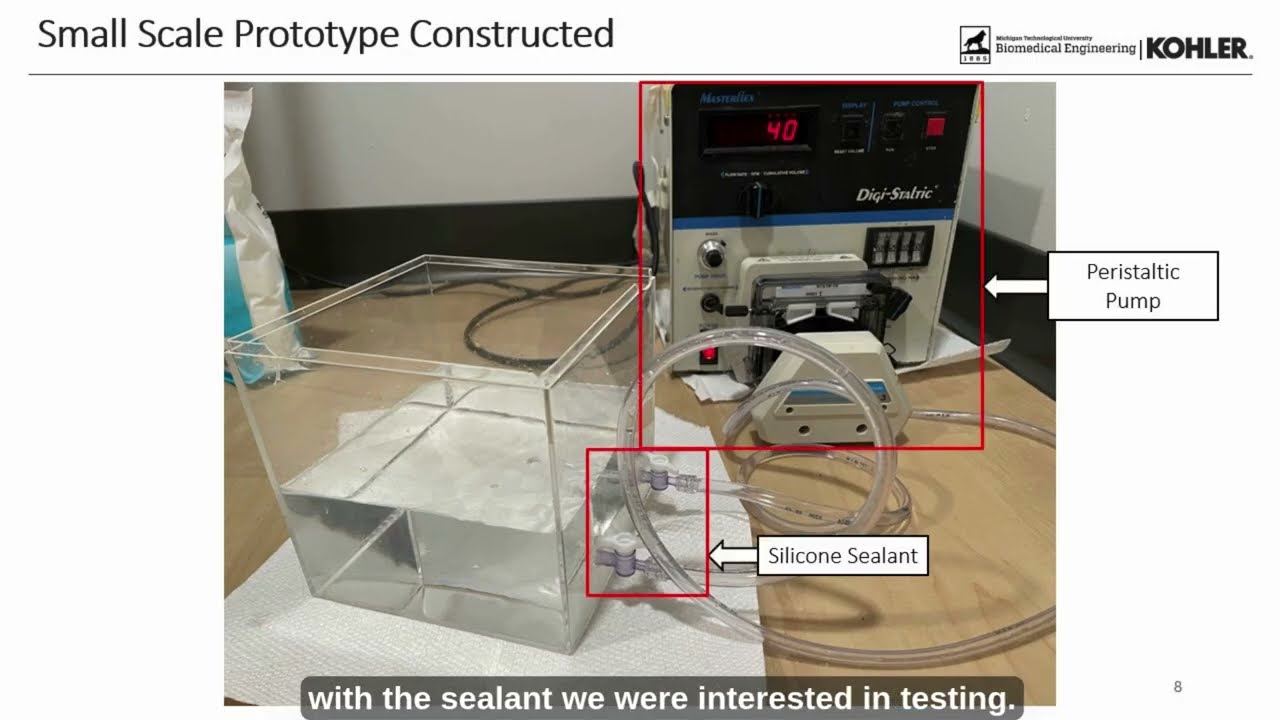
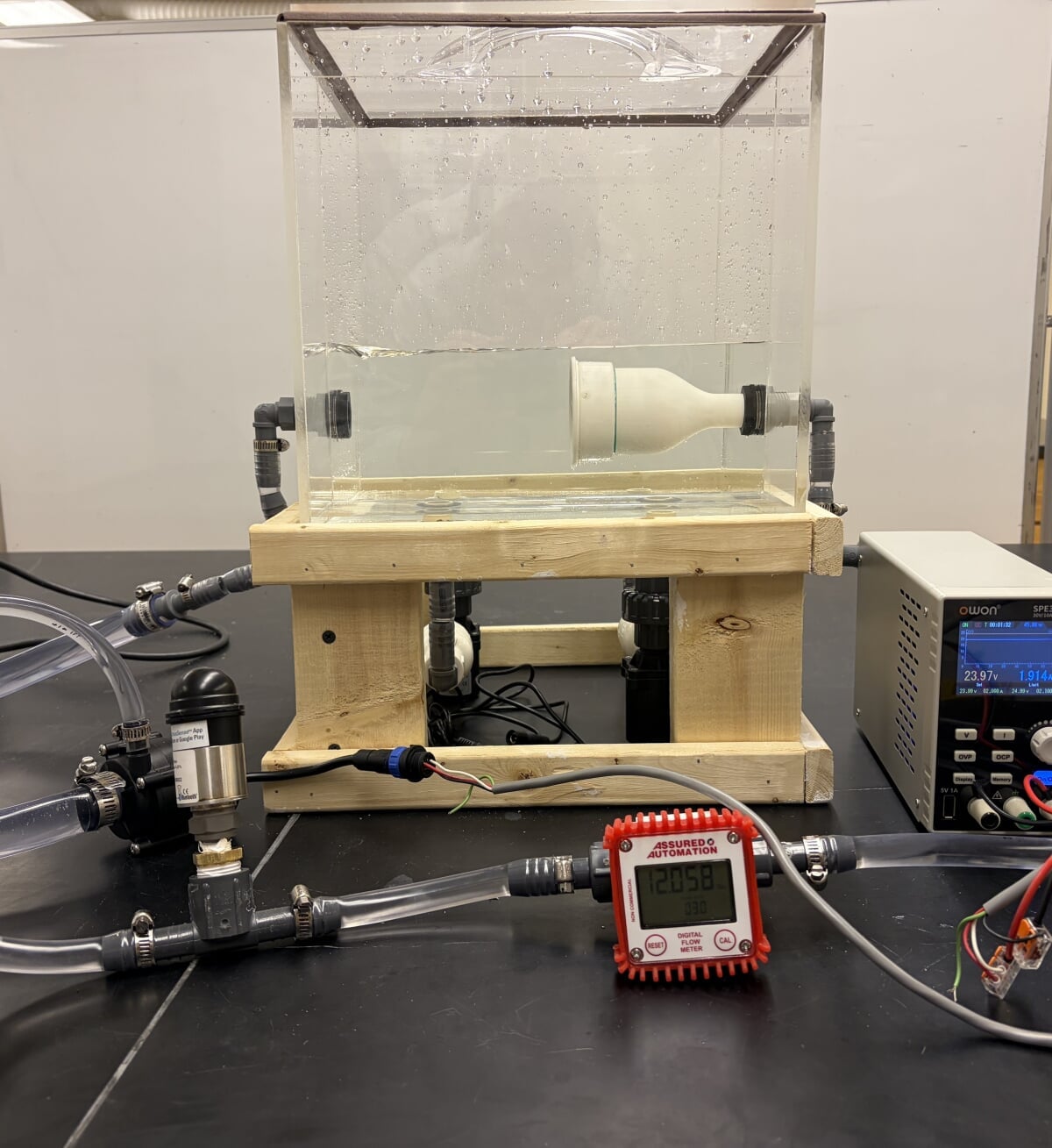
Current wellness products from Kohler Co. do not include warranty coverage for additives such as Epsom salts, generating uncertainty about their impact on system performance. This project developed a test bench to evaluate the effects and failure modes of jetted tub components under conditions simulating three years of use. Pumps, piping, and fixtures were monitored for buildup and blockage using flow rate and pressure measurements, and material changes were assessed through uniaxial tensile, lap shear, and durometer testing. The project is currently in its second testing cycle, with the first using an exaggerated salt concentration and the second using standard concentrations.
229. Capacitive Bioelectric Electromyography (EMG) Monitoring System
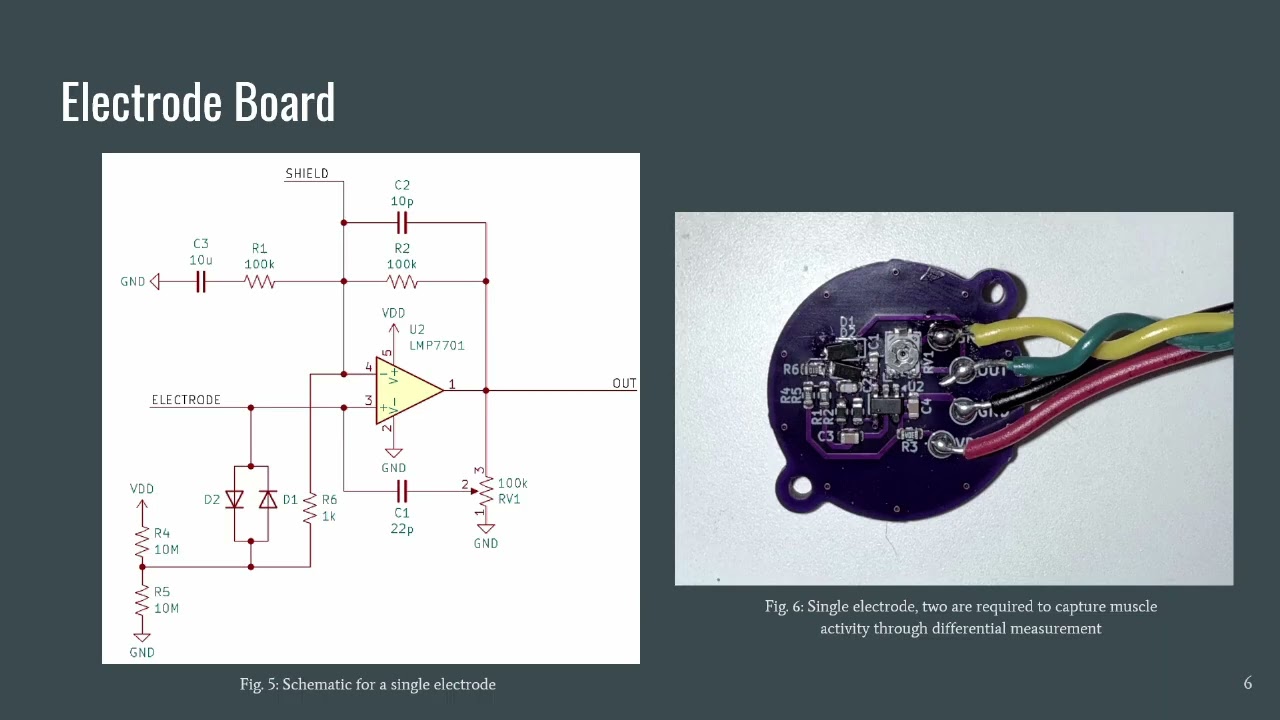
The goal of our project is to develop a wearable capacitive electromyography (EMG) system that measures real-time bicep muscle activity through a layer of cloth rather than direct skin contact. Many current EMG systems use wet electrodes, which require a conductive gel and must be placed on the skin, introducing several limitations such as frequent replacement, limited applicability, and skin irritation. By capturing bioelectrical signals through capacitively-coupled electrodes, these limitations can be overcome, allowing greater freedom of movement than wet-electrode systems. The team has designed and tested the system, optimized signal gain and noise, and is capturing live data transmitted via Bluetooth and displayed graphically in MATLAB. This wearable system can be used to track patient recovery and monitor athletes.
230. Automotive Aluminum Extrusion Modeling for Improved Toughness

The goal of the automotive extrusion modeling project is to develop predictive simulations for aluminum extrusion processes to improve process understanding and performance. The central research question is how accurately the extrusion behavior of specialized 6xxx aluminum alloys can be predicted using physics-based material models across relevant processing temperatures. This project seeks to answer these questions through Inspire Extrude simulations and physical extrusion trials. The completion of this project assists Hydro Metals in partnership with UACJ Automotive Whitehall Industries, an automotive extruder, to reduce their production lead time.
231. Additive Manufacturing of Cervical Spine Interbodies

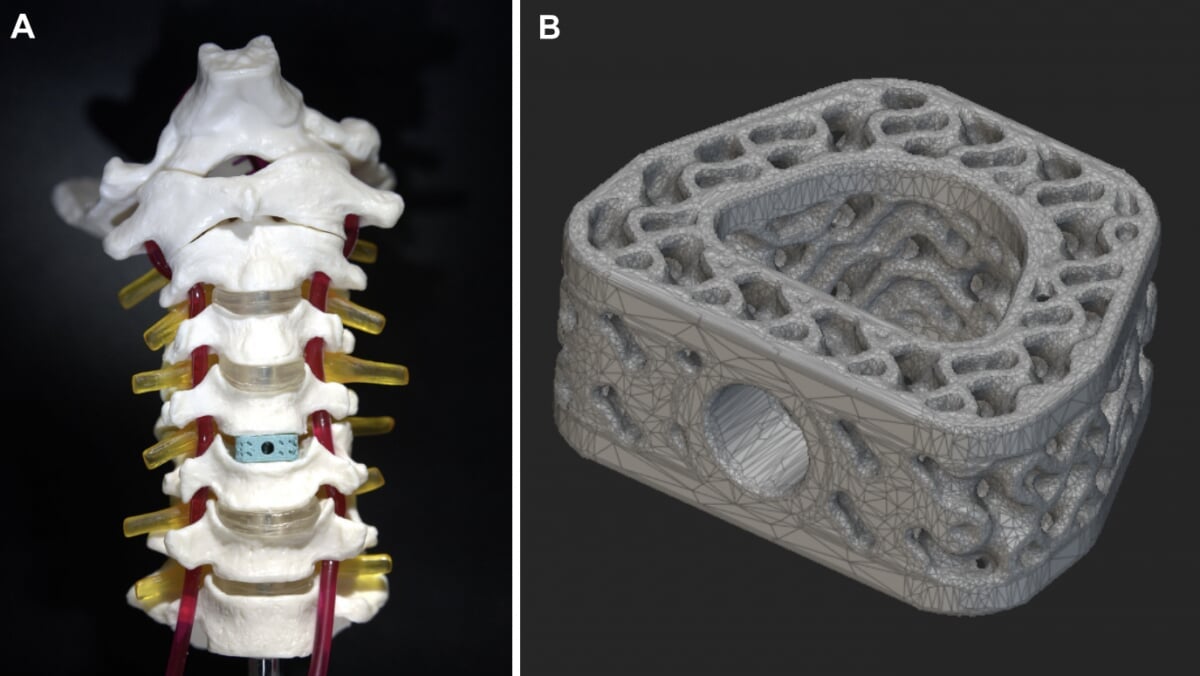
Cervical spine interbody fusion (IBF) cages are traditionally manufactured using subtractive manufacturing, injection molding, or additive manufacturing of metals. While effective, these processes are costly, time-consuming, restrict design flexibility, and products on the market have potentially dangerous complications. Additive manufacturing of biocompatible, bioresorbable, and reinforced composite polymers offers a promising alternative: lowering costs, decreasing lead time, and providing greater freedom for improved osseointegration and patient-specific designs. However, a major challenge lies in ensuring production consistency and meeting clinical demands, essential requirements for cervical spine cages. Therefore, our team identified suitable biocompatible polymers, optimized their printing parameters, and evaluated their mechanical properties and reproducibility with a new proposed cage design, critical steps towards advancing consistent and safe polymeric 3D-printed cervical interbodies.
232. Development of a Thorax Simulator for Testing of Sleep Apnea Treatment Devices

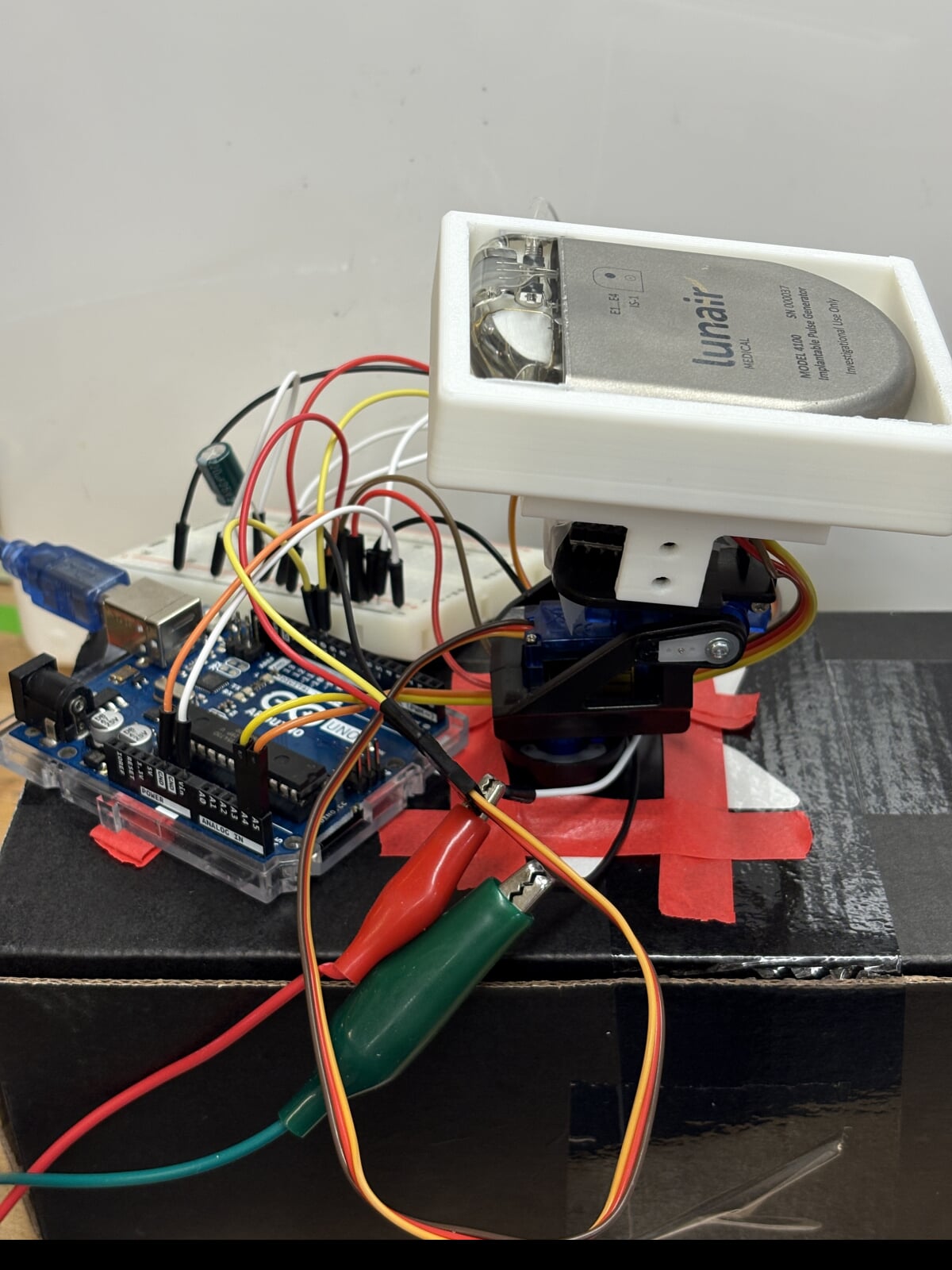
The goal of the thorax simulator project is to bench test implantable pulse generators (IPGs) provided by the sponsor by simulating movement produced from the human chest during respiration in sleep apnea patients. The project uses an Arduino microcontroller to control the servo motors the IPGs will be attached to. IPGs are designed to treat obstructive sleep apnea (OSA) by stimulating the hypoglossal nerve to prevent airway obstruction during sleep. This electromechanical model will be able to simultaneously produce realistic physiological movement and record the data for further analysis.
233. SICK $10K Challenge - BearAware Wildlife Deterrent

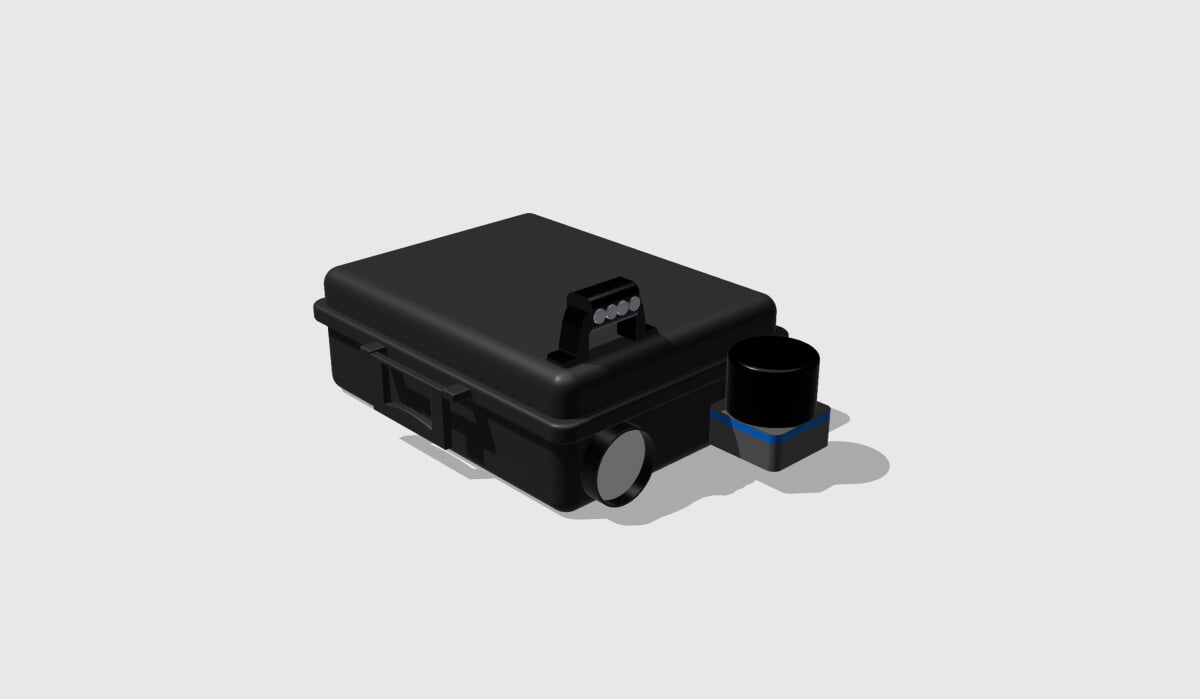
The goal of the BearAware Wildlife Deterrent system is to provide a non-intrusive and humane deterrent system to protect both humans and wildlife using bright lights and ultrasonic acoustic arrays. Using LiDAR as the method of scanning an environment, privacy is maintained and performance is uninhibited in a variety of harsh or less than ideal weather conditions. The AI within the deterrent system will be able to distinguish between different animals as well as humans so that triggering only occurs in a discriminatory fashion. The project is currently in the AI-training stage, with hardware development moving across the finish line.
234. Remote Control/Remote Monitor Cat Toy
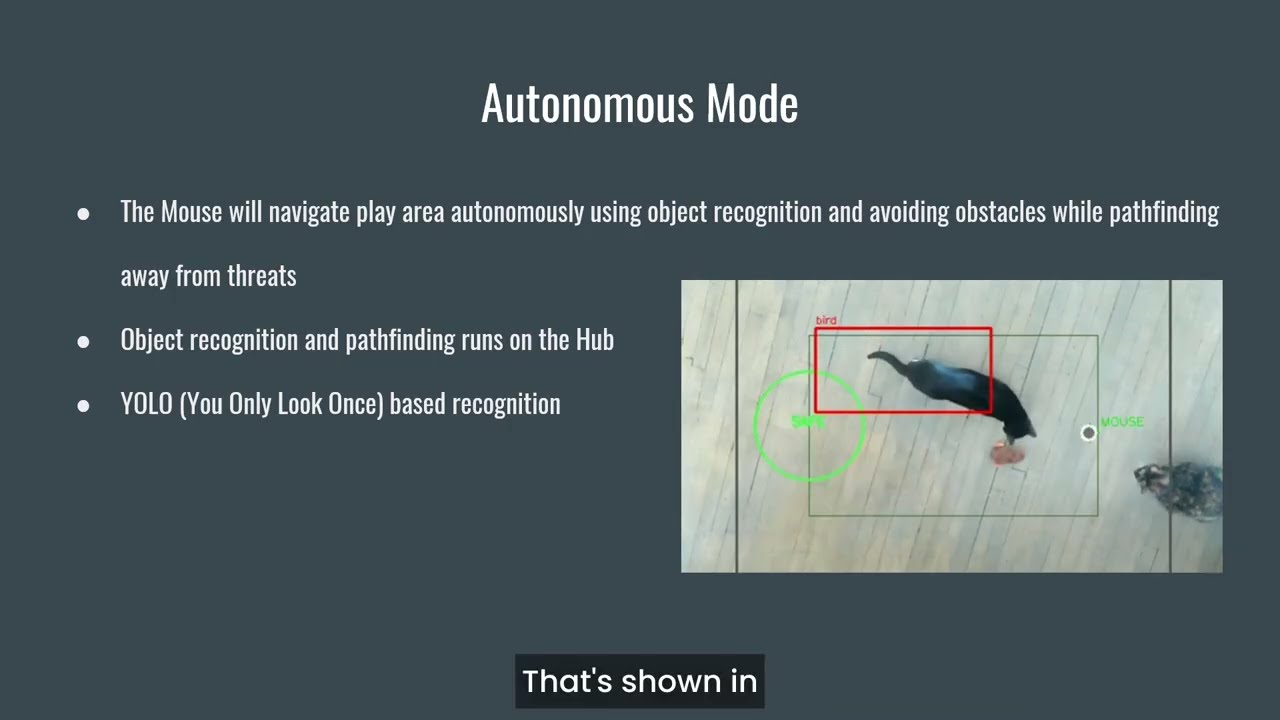
Our team designed and built a remote-controlled and remote-monitor cat toy that allows owners to interact with their pets even when they are away from home. The system combines a robotic platform, an embedded microcontroller, and wireless communication to provide real-time control and monitoring. The toy can be driven remotely through a mobile interface while an onboard camera streams live video, allowing users to observe and engage with their cat. Our work involved mechanical design, embedded firmware development, PCB design, and system integration to create a durable, interactive device that promotes enrichment and exercise for indoor pets.
235. Modeling the Extrudability of HVAC&R Alloys

The goal of modeling the extrudability of HVAC&R alloys is to obtain thermo-mechanical data of various aluminum alloys. The main purpose of obtaining thermo-mechanical data is for use in Inspire Extrude simulation software, which Brazeway is looking to utilize, to aid and reduce the cost of alloy development. The project is currently in the second phase. In this phase new aluminum alloys are being developed to decrease operating costs and increase throughput.
236. Microgravity Medical Eyewash

Our project seeks to develop a medical eyewash for long-range space missions that is capable of operating in microgravity conditions. This eyewash will be utilized in the event of chemical contaminants entering an astronaut’s eye and must minimize volume and weight to reduce space requirements during transit. Currently, we are in the second phase of our project, where we have selected our design and are working to validate its effectiveness. Our chosen design is a single eye cup supplied by a free-floating water bubble that uses capillary forces to induce flow through the system. This will be performed using simulation (Surface Evolver and ANSYS Fluent) alongside physical modeling (microfluidic channel testing using PDMS elastomers).