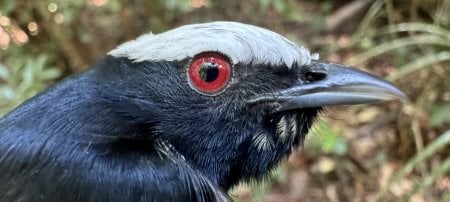

A healthy forest doesn't survive in stasis. It is constantly growing, changing, and expanding in new directions. Just like a forest, CFRES grows through the seasons, spreading branches into new communities, fortifying the roots of our legacy, and turning over leaves in search of ecological solutions.
Michigan Tech Geneticist Partners with Citizen Scientists, Biotech Company, and Public Partners to Save America's Red Wolves
By Windy Veker
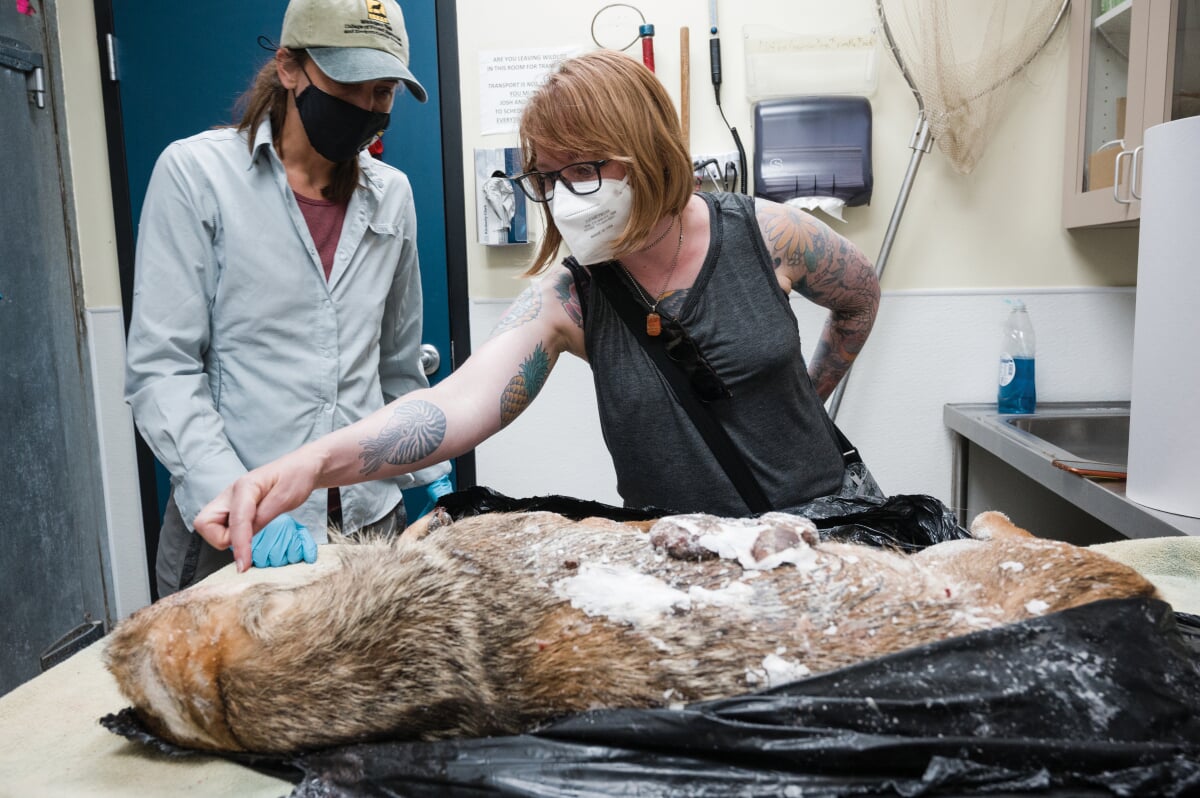
New advancements in biotechnology are opening conservation doors that scientists would have once thought impossible. Kristin Brzeski, associate professor of wildlife science and conservation in the College of Forest Resources and Environmental Science, is exploring innovative avenues to revive wild red wolf populations in the Southern US. Her research with a unique population of "ghost wolves" along the Gulf Coast has attracted partners across the full spectrum of the scientific community.
Brzeski conducts her research in partnership with Bridgett vonHoldt, professor of ecology and evolutionary biology at Princeton University. The duo— informally known as Team Ghost Wolf— gathers data using non-invasive research methods to get a more complete picture of the animals' behavior in the wild.
Follow their collaborative efforts to improve genetic diversity in the wolf species.
Michigan Tech Unveils Nature Megaphone on Tech Trails
By Windy Veker
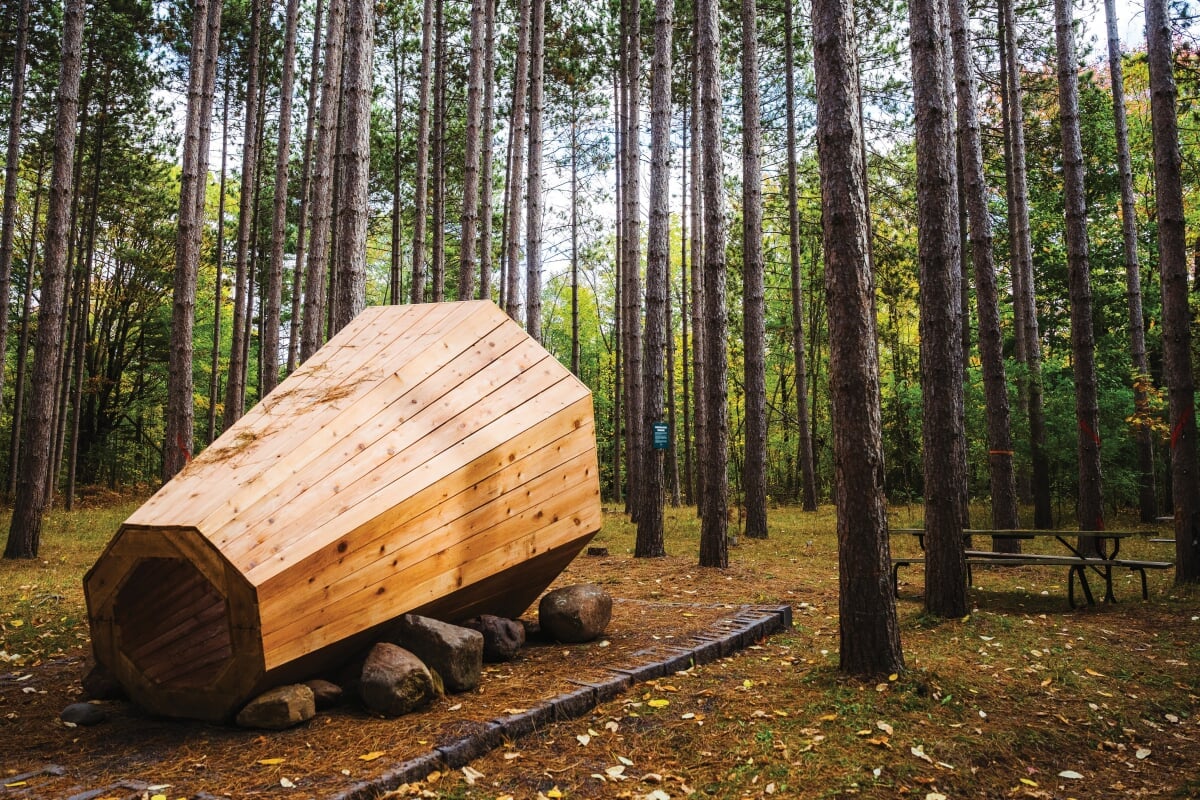
Imagine being immersed in a cornucopia of quiet forest sound—small animals rustling in the underbrush, birds chirping softly, wind gently shifting the leaves. This is what visitors to Michigan Technological University's Tech Trails can experience inside the recently installed nature megaphone.
The 10-foot-long conical wooden structure, located at the intersection of the Tecumseh and Sure Would trails near the Tech Trails main trailhead on Sharon Avenue, offers a place of quiet contemplation that enhances the sounds of the natural world.
Take a walk through this interdisciplinary exercise in art, ecology and community.
'Pristine' is Not Protection: 27-year Study Links Hotter, Drier Conditions to Decline in Rainforest Bird Populations
By Cyndi Perkins
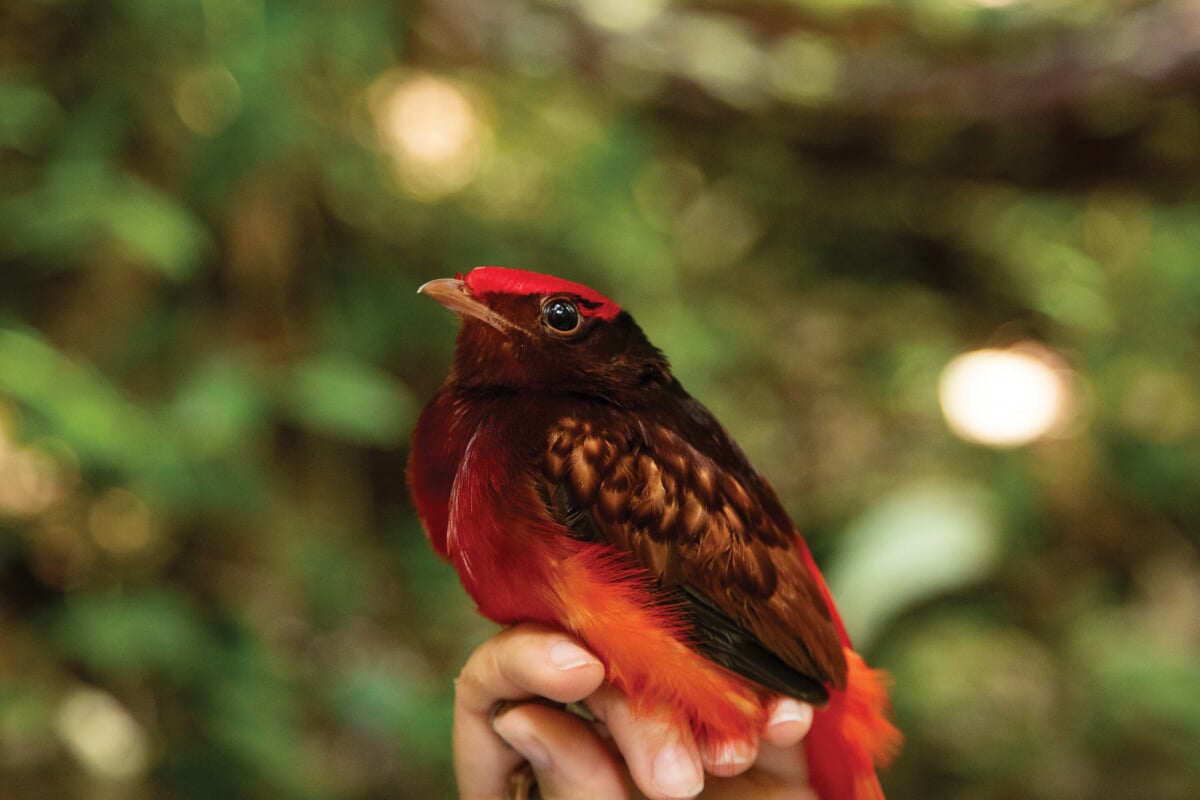
A team led by CFRES researcher Jared Wolfe has uncovered why long-lived rainforest birds are declining in an untouched environment historically considered a stable refuge.
The team's study, "Climate change aggravates bird mortality in pristine tropical forests," published in Science Advances, revealed that rising temperatures and decreasing rainfall played a key role in drastically reduced survival rates in dozens of bird species—in some individual species by as much as 50 percent.
Learn more about the rainforest bird population research.
Industry History Meets Husky Innovation
By Windy Veker
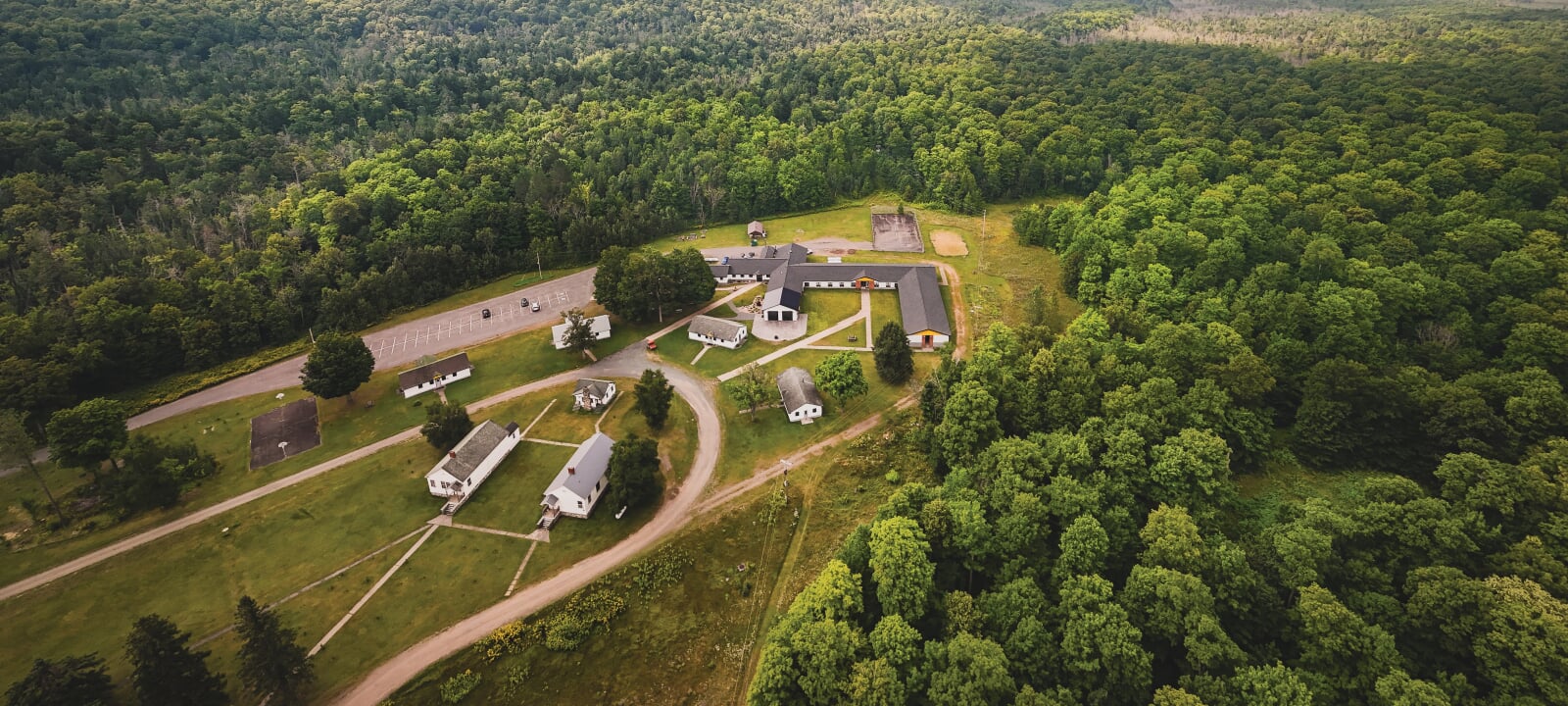
The historic sawmill at Michigan Tech's Ford Center and Forest got a facelift this summer. The circa 1936 Ford Center Sawmill received all-new exterior siding made with wood science originally developed by Tech Professor Emeritus Peter Laks.
Read more about the Ford Center sawmill facelift.
MTU's First Insect Collection Offers Regional History Lesson
By Cyndi Perkins
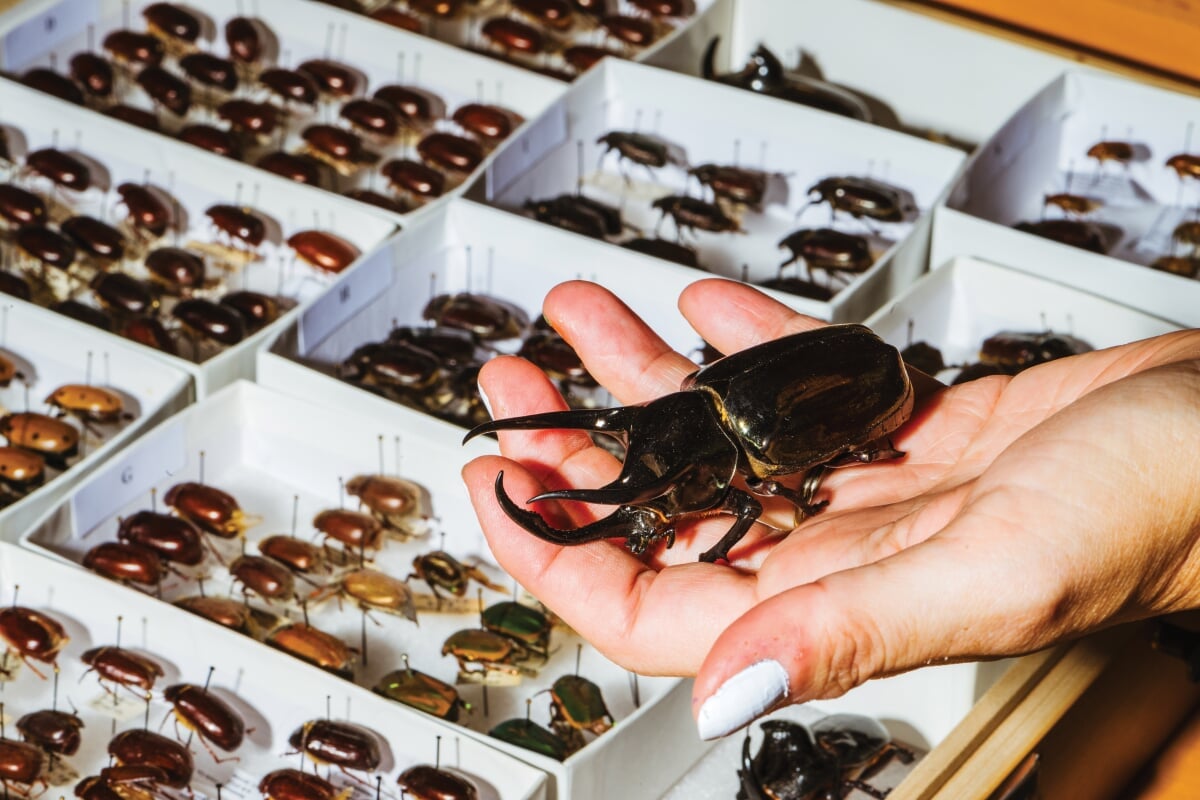
At 10,000 specimens and counting, Michigan Tech's digitized insect collection is relatively small. But it offers a unique historical perspective of the region you won't find anywhere else, said Tara Bal, an associate professor of forest health in the College of Forest Resources and Environmental Science.
Though the collection includes North American and international specimens, it primarily focuses on Michigan's Houghton and Baraga Counties. That's valuable, said Bal, because less populated areas of the state are often not well represented in many larger university or museum collections. With the oldest specimen dating back to 1936 and new specimens being added annually, Tech's collection offers the ability to measure and record change in the region's biodiversity.
Find out more on this creepy, crawly collection.
Michigan Tech Hosts Four Days of SEED Programming in Detroit, Empowering Local Youth Through Environmental Education
By David Flaspohler and Wayne Gersie
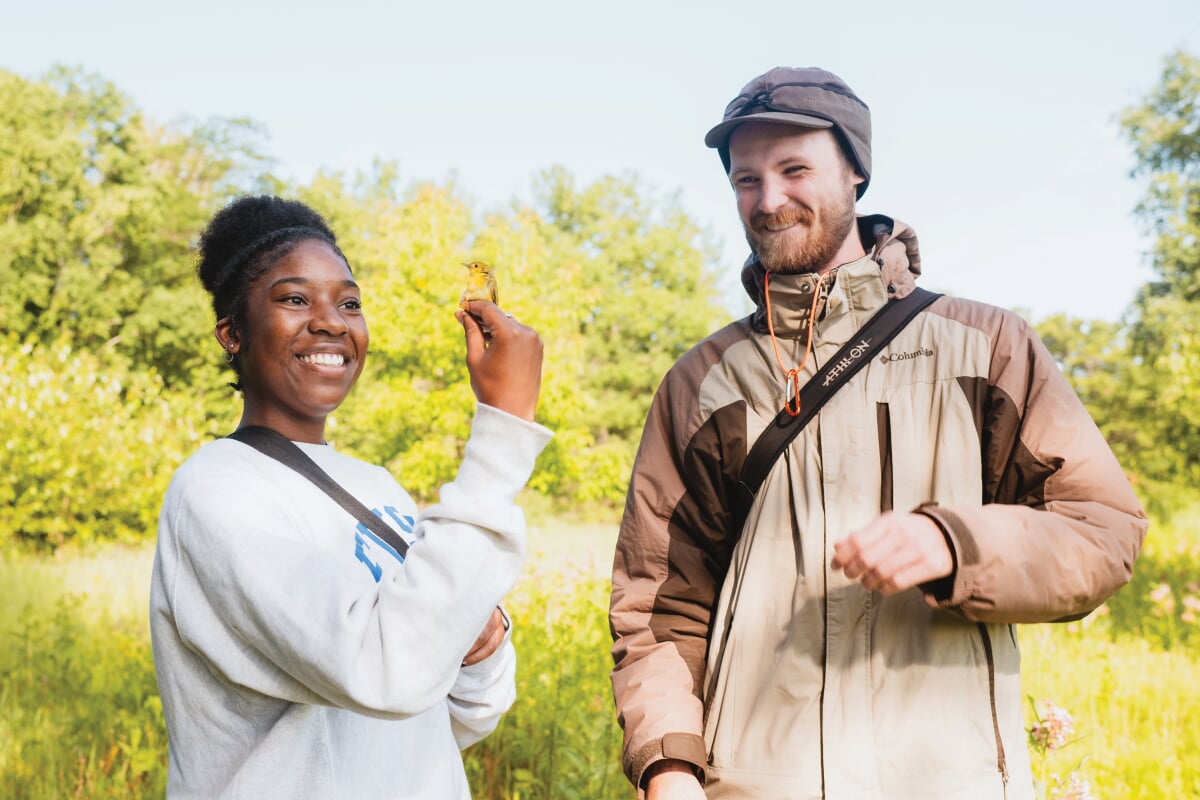
The Student Experience in Education and Discovery (SEED) program, an immersive learning experience led by Michigan Technological University last summer, began with a gathering in the Upper Peninsula and extended to four days of outreach in Detroit.
The program's opening day included a co-teaching effort between visiting faculty and undergraduate students from Tuskegee University in collaboration with the College of Forest Resources and Environmental Science and Tech's Office of Community Engagement. The group banded birds at the Nara Nature Park Chalet and Interpretive Center, cruised the Keweenaw Waterway on Michigan Tech's RV Agassiz, and toured Tech's Ford Center and Forest.
Read more about the Tuskegee University students' learning experience.
Support the Isle Royale Wolf-Moose Project Through the New Endowment Fund
By Sarah Hoy
In 2024, the Wolf-Moose Foundation established an endowment fund to support the Isle Royale wolf-moose project, the world's longest-running predator-prey study. With a goal of raising $2.2 million, the endowment aims to ensure long-term funding for essential research activities such as aerial surveys, field equipment maintenance, and sample analysis.
The Isle Royale wolf-moose project, launched in 1958, has led to groundbreaking discoveries in ecology and is featured in over 11 textbooks. Despite its global influence and contributions to conservation, funding challenges have made sustaining its operations increasingly difficult. You can help secure the future of this vital research by making a donation or volunteering to support fundraising and educational efforts.
By December 2024, $190,000 had been raised for the endowment, and additional pledges were expected in early 2025. However, this represents only about 10 percent of the needed funding.
You can donate to the Wolf-Moose Foundation Endowment Fund online or via check written out to the Michigan Tech Fund.
If donating online, select Wolf-Moose Foundation Endowment Fund from among the listed funds. If donating by check, please make sure to specify that the donation is for the Wolf-Moose Foundation Endowment Fund (5802A).
Checks can be mailed to:
Michigan Tech Fund
Michigan Technological University
1400 Townsend Drive
Houghton, MI 49931-1295
Looking for a unique gift? Consider donating in a loved one's name to honor their appreciation for this extraordinary project.
To volunteer or learn more about the work being carried out by the Wolf-Moose Foundation, visit the foundation's website.
Michigan Technological University is an R1 public research university founded in 1885 in Houghton, and is home to nearly 7,500 students from more than 60 countries around the world. Consistently ranked among the best universities in the country for return on investment, Michigan's flagship technological university offers more than 185 undergraduate and graduate degree programs in science, technology, engineering, mathematics, computing, forestry, business, health professions, robotics, psychology, social sciences, humanities, and the arts. The rural campus is situated just miles from Lake Superior in Michigan's Upper Peninsula, offering year-round opportunities for outdoor adventure.