
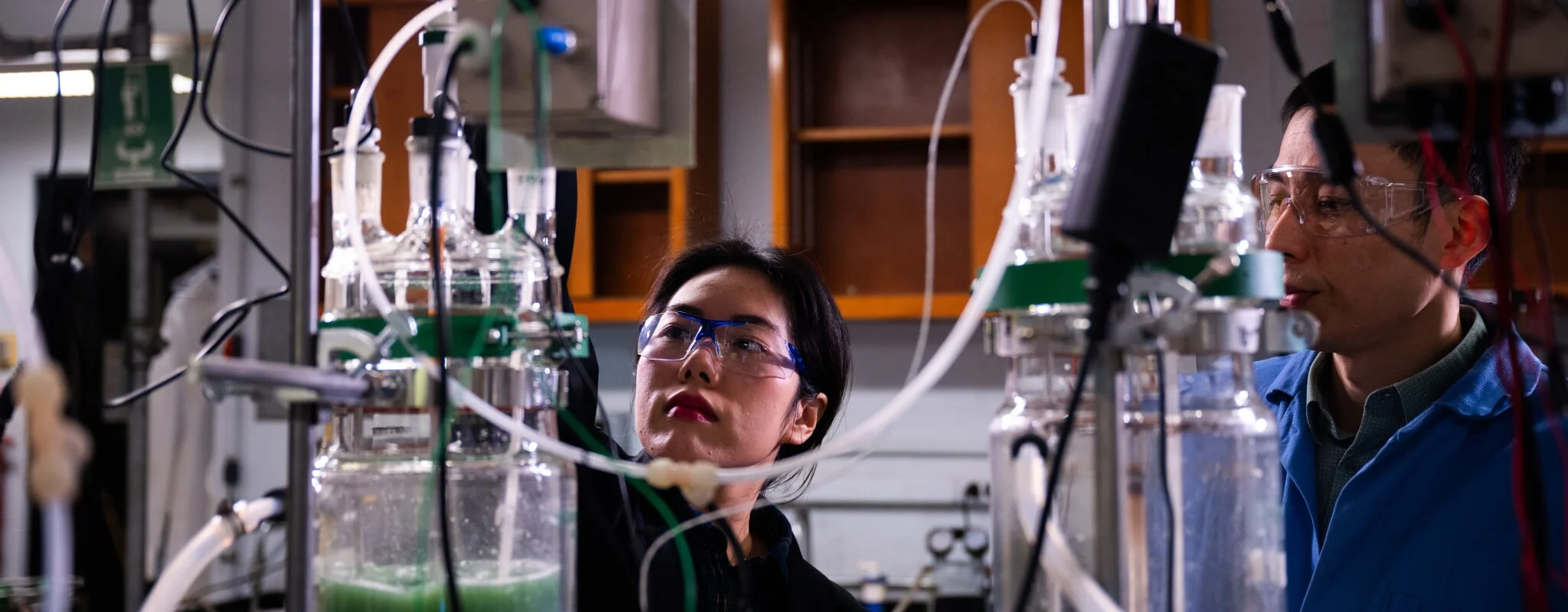
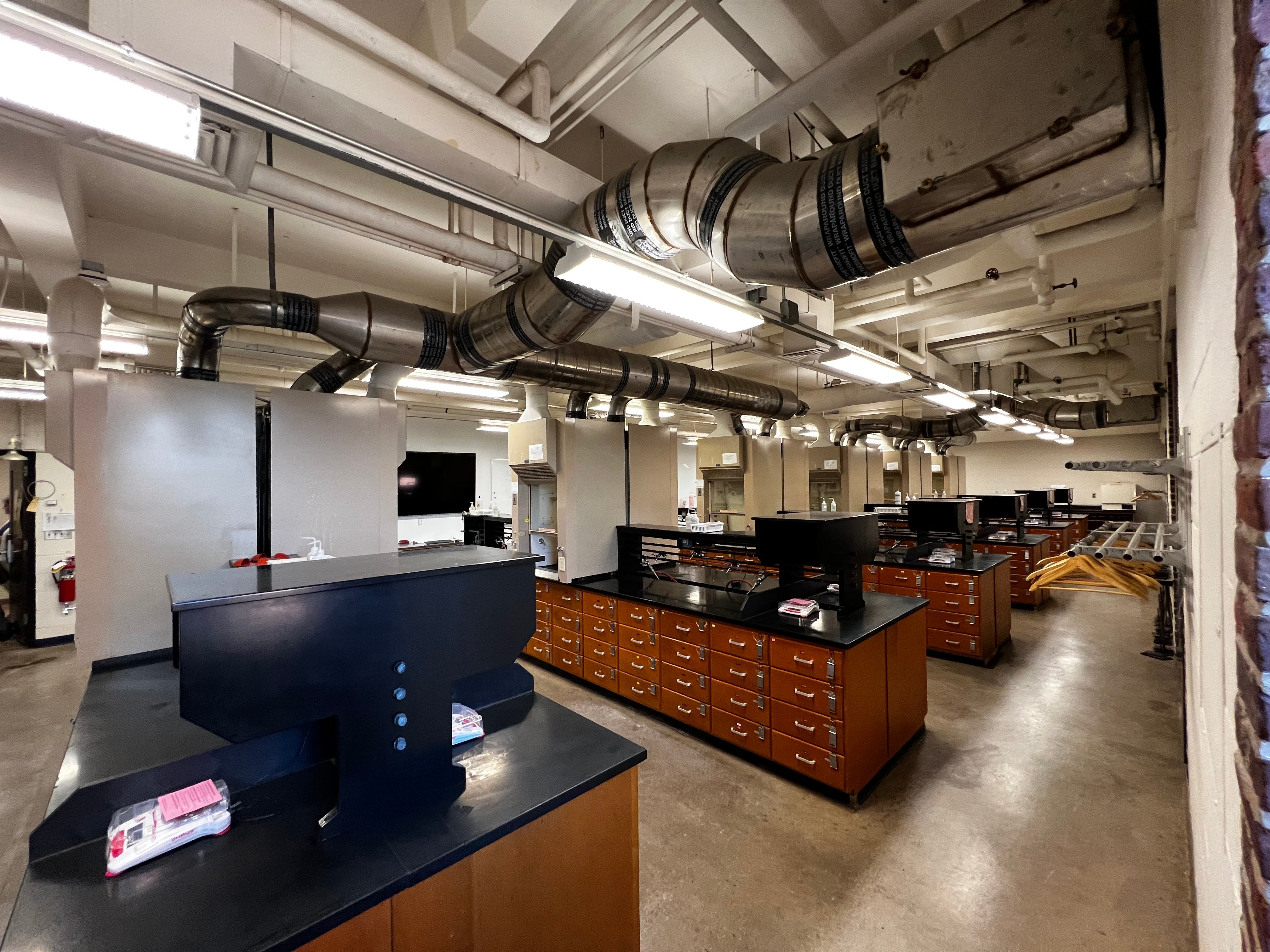
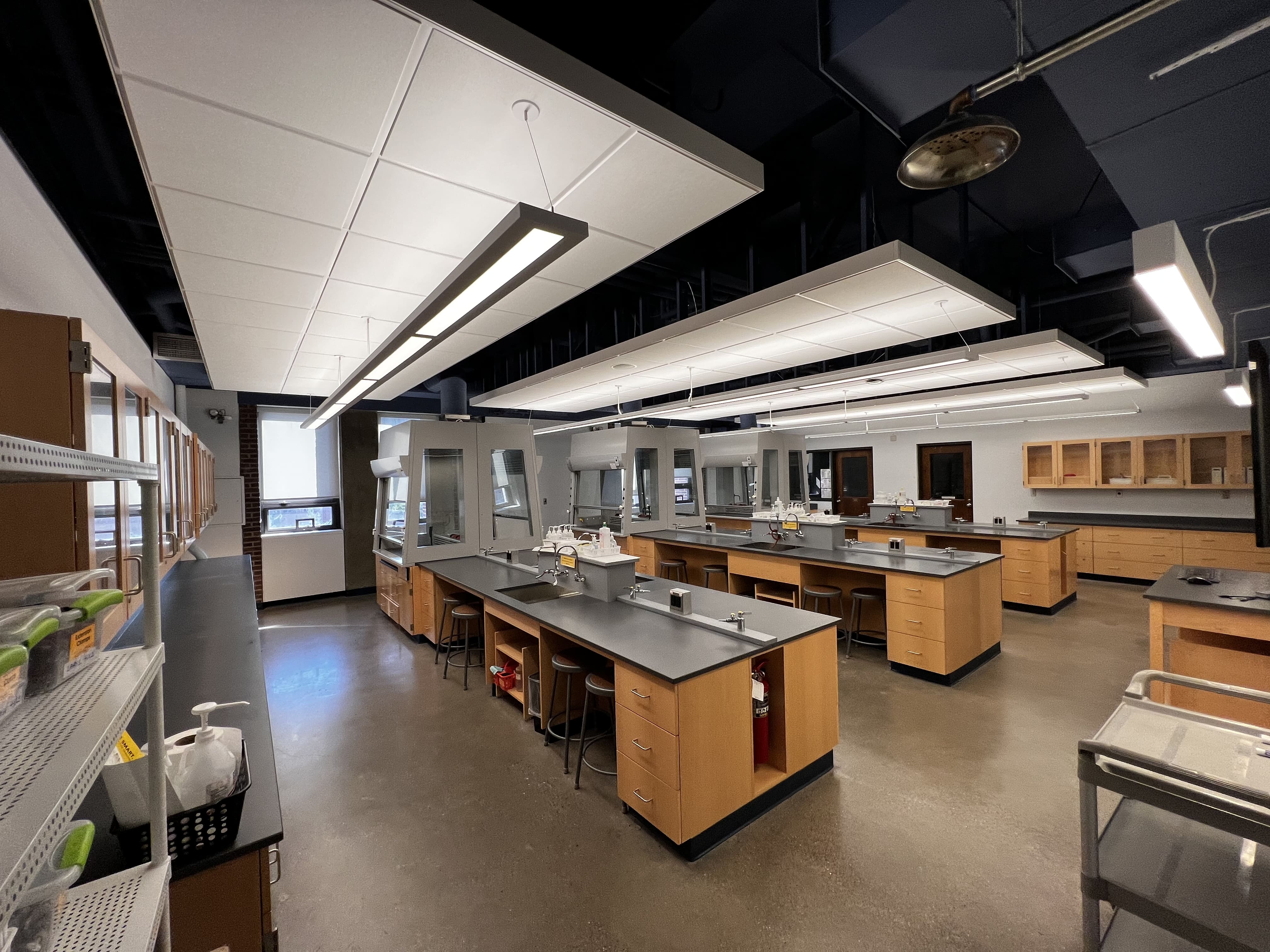
In 2023, Michigan Technological University recognized the need to transform the Chemical Sciences and Engineering Building (Chem Sci), committing to a $3 million dollar renovation. The Herbert H. and Grace A. Dow Foundation, recognizing an opportunity to support students and critical research programs at Michgiah Tech, pledged $5 million in additional funding, with an added $2 million in prospective matching funds to encourage further investment.
We invite you to partner with us in giving to the Chem Sci Renovation Fund to double your impact while leaving a lasting, brick and mortar legacy, impacting generations of students to come. Gifts made prior to December 1, 2026 will count towards the match. Your support will significantly accelerate critical improvements to laboratories, collaborative learning spaces, and critical HVAC infrastructure.
Together, we give more. Together, we build what lasts.
About the Chemical Sciences and Engineering Building
The Chemical Sciences and Engineering Building (Chem Sci) is one of the most heavily used academic facilities at Michigan Technological University, serving more than 1,500 student users each day and supporting approximately 105,000 student visits annually. Opened in 1968, the building plays a role in the education of nearly every Michigan Tech student, providing essential laboratory and instructional space for students from across all disciplines, not only those majoring in chemistry or chemical engineering.
Chem Sci houses the Departments of Chemistry and Chemical Engineering and supports interdisciplinary research and teaching that connects engineering, science, health, sustainability, and materials research. The laboratories and classrooms are used by undergraduate and graduate students, faculty, and research teams engaged in hands-on learning, discovery, and collaboration, making the building a critical element of Michigan Tech’s academic and research infrastructure.
“Having seen how the recently-opened H-STEM Complex serves as a nucleus for student learning, networking, and innovation, it is exciting to envision how modernized spaces within the Chem Sci Building will expand this nucleus for more students, giving them top-notch facilities for hands-on learning and enterprise activities.”
Research in Focus
Chem Sci is home to research with the potential to change the world. From disease prevention to plastics to battery components, Michigan Tech faculty and students are solving problems and making new discoveries. We invite you to review a few of our many research groups below.
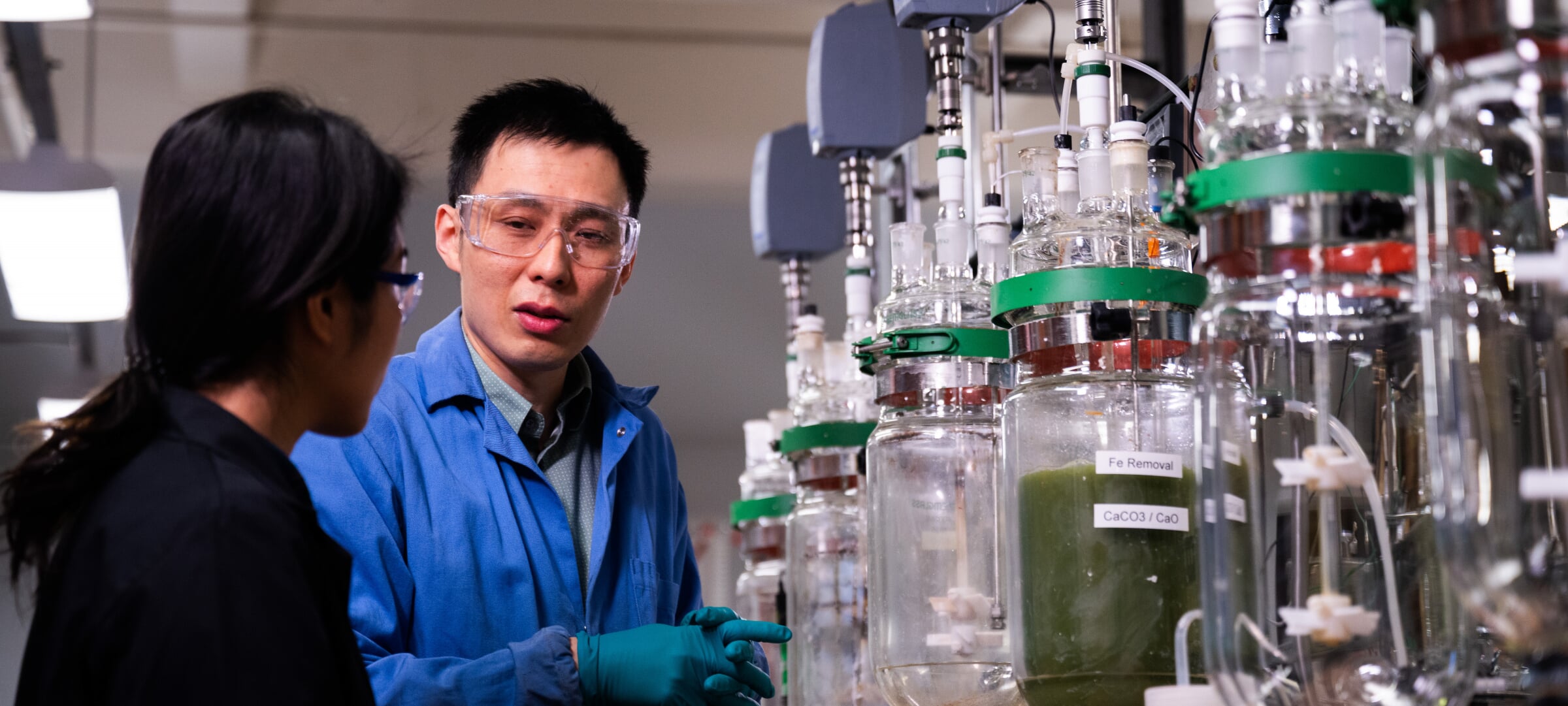
The Pan Research Group, led by Associate Professor Lei Pan, is focused on developing sustainable technologies for extracting and recycling critical minerals, including those found in electric vehicle batteries. Their research improves our understanding of how materials separate at the microscopic level and applies that knowledge to real‑world problems such as lithium‑ion battery recycling and resource recovery. By pioneering new physical and chemical methods to separate and reclaim valuable materials, the group aims to make recycling processes more efficient, cost‑effective, and environmentally responsible.
This research matters because the demand for batteries and critical minerals like lithium, nickel, and cobalt is rapidly growing, and current recycling systems are limited. By advancing technologies that can recover these materials from spent batteries and mine waste, the group helps reduce dependence on new mining, supports a more sustainable supply chain, and contributes to cleaner energy and transportation solutions. Their work has attracted federal research support and industry partnerships that move discoveries from the lab toward practical, scalable use.
Faculty Lead: Lei Pan
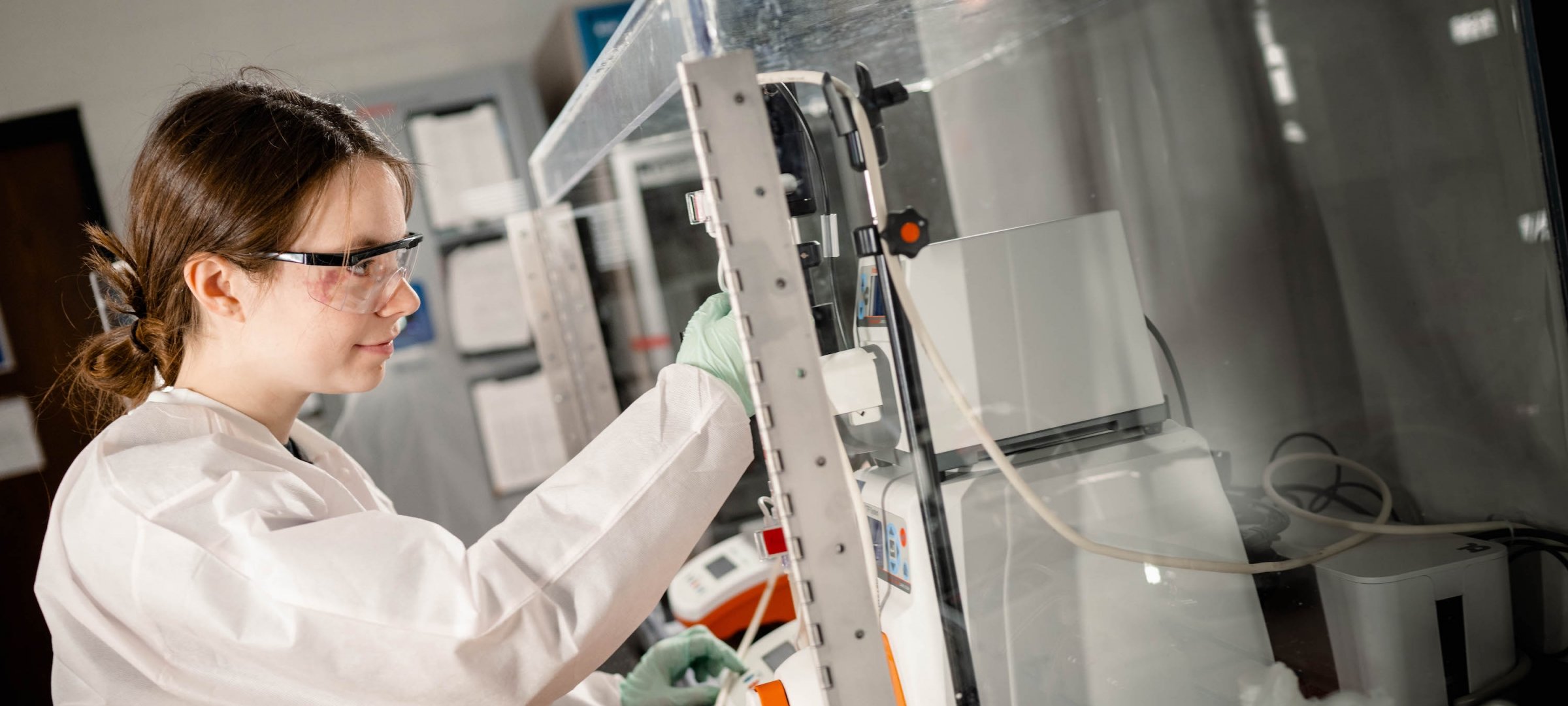
The Fang Research Group, led by Shiyue Fang, Professor and Department Chair for Chemistry, is working to make the building blocks of modern biology, such as DNA and peptides, easier, faster, and less expensive to create. These molecules are essential tools behind many everyday technologies, including medical diagnostics, vaccines, genetic testing, and emerging therapies. Today, producing them is slow, costly, and resource-intensive. This research aims to change that.
By developing new ways to build and purify these molecules more efficiently, the group is helping lower barriers to advances in medicine, biotechnology, and scientific research. Their work could enable faster development of new treatments, more affordable biomedical tools, and broader access to technologies that improve health and quality of life. In simple terms, this research helps turn scientific ideas into practical solutions that reach people sooner and at lower cost.
Faculty Lead: Shiyue Fang
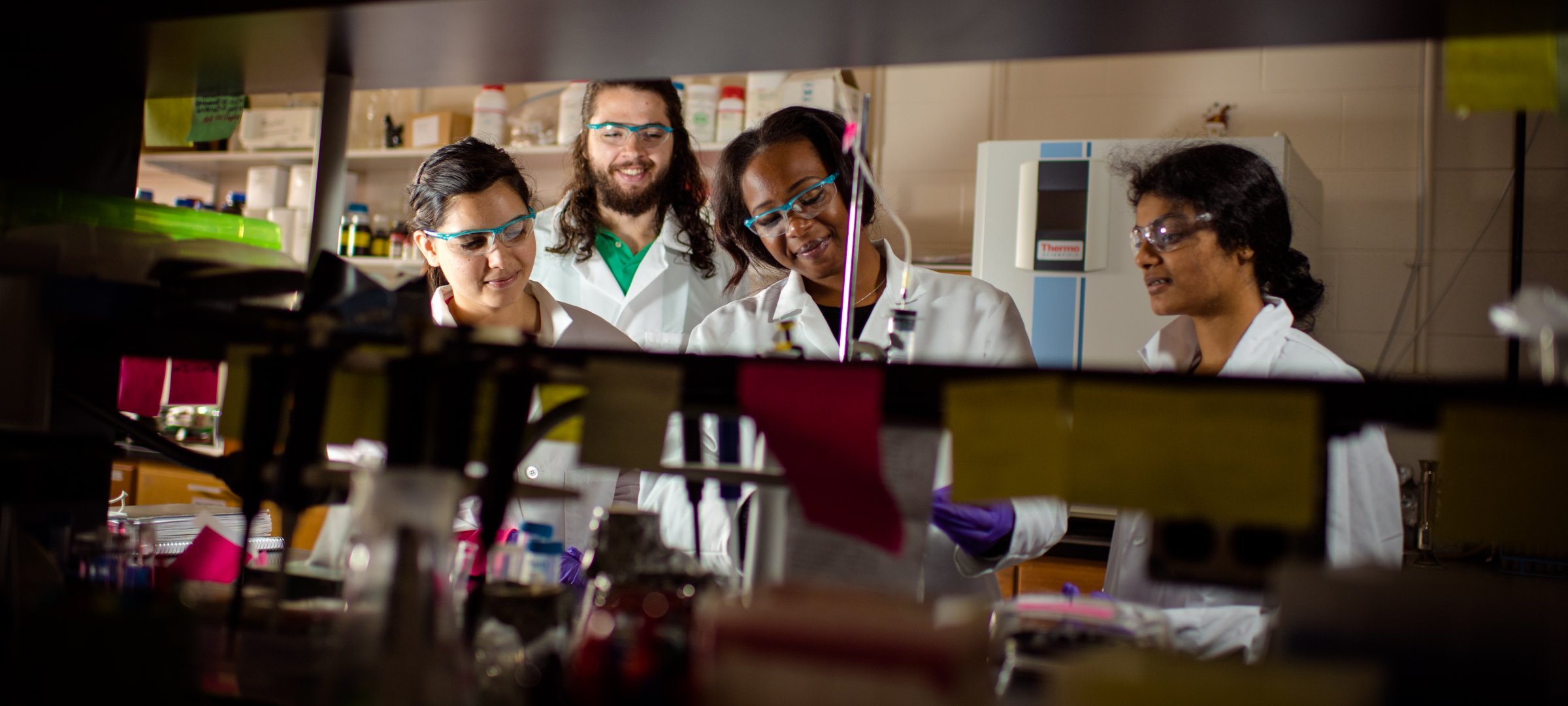
The Christov Computational Chemistry Group, led by Dr. Christo Christov, Professor of Chemistry, uses advanced computer modeling to understand how enzymes, the molecular machines of life, perform chemical reactions. Their work focuses on iron-dependent enzymes that control important processes such as gene regulation, DNA repair, and chemical synthesis. By studying these enzymes in detail, the group uncovers the precise steps that make life’s chemistry possible.
This research has direct, real-world impact. It informs the development of new therapeutic drugs, improves understanding of how the body responds to disease and damage, and supports biotechnological innovations. The Christov Group’s work helps turn complex molecular science into practical solutions that improve human health, medicine, and biotechnology.
Faculty Lead: Christo Z. Christov