
Study, work, and collaborate in the University's state-of-the-art H-STEM Engineering and Health Technologies Complex. Engineer lifesaving solutions, develop technologies that directly impact people’s lives, and work at the forefront of advancing healthcare in one of the fastest-growing fields of engineering.


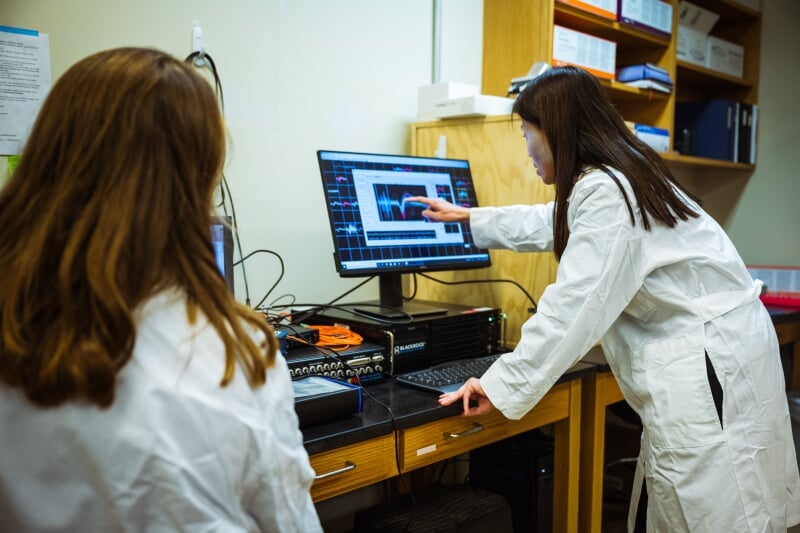
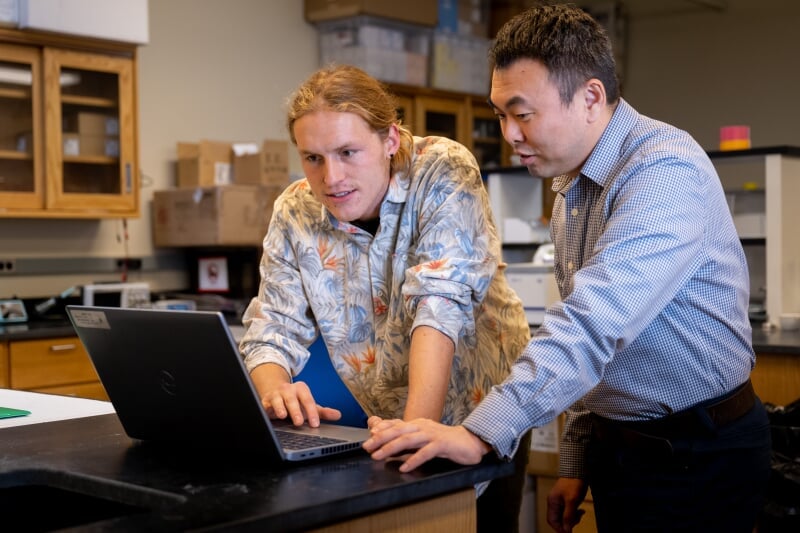
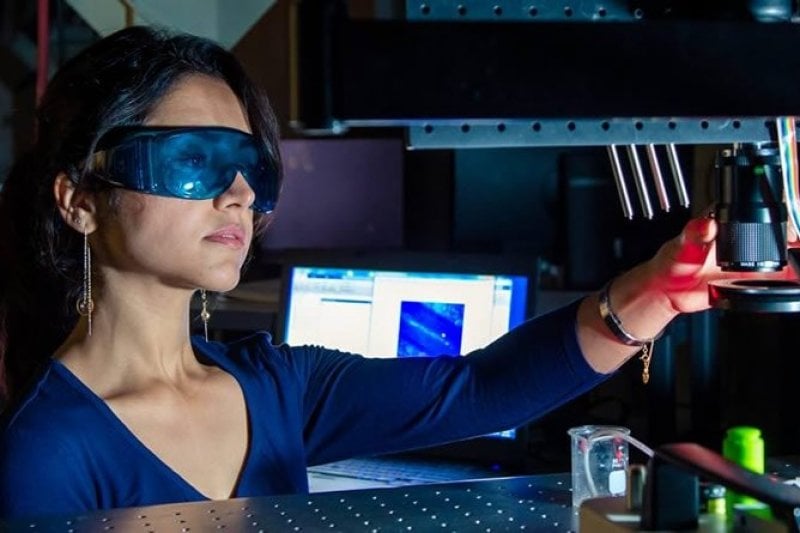

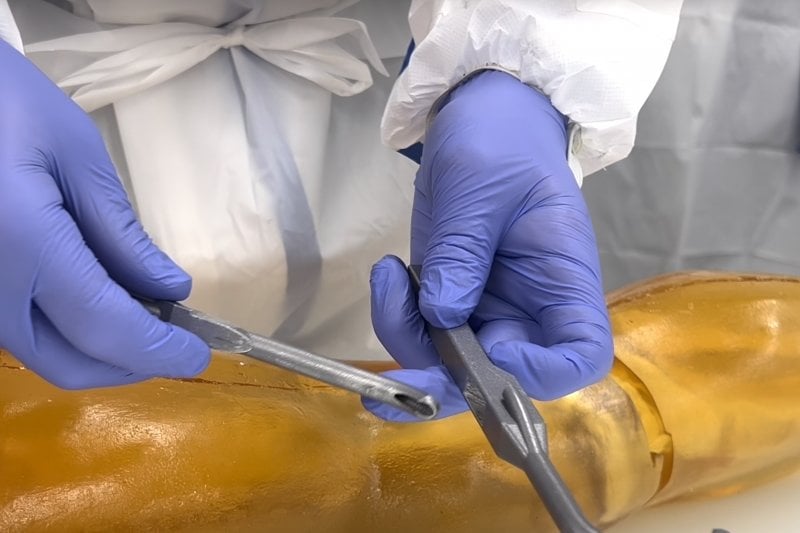
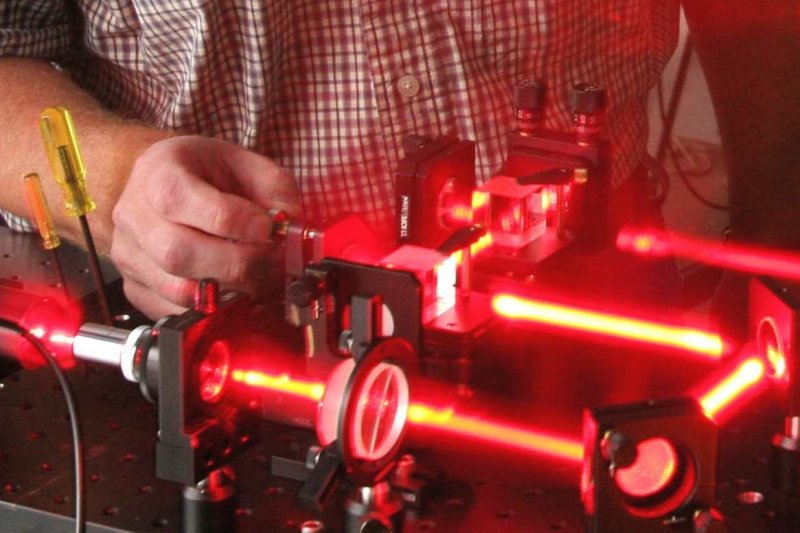
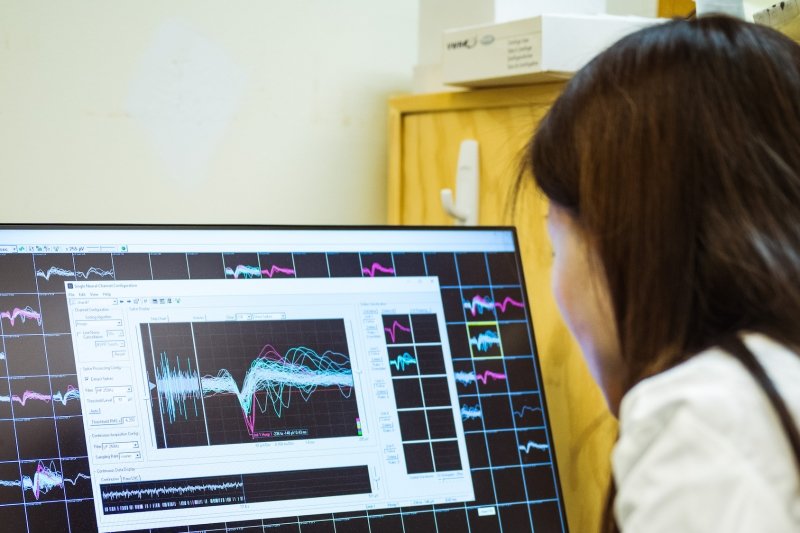
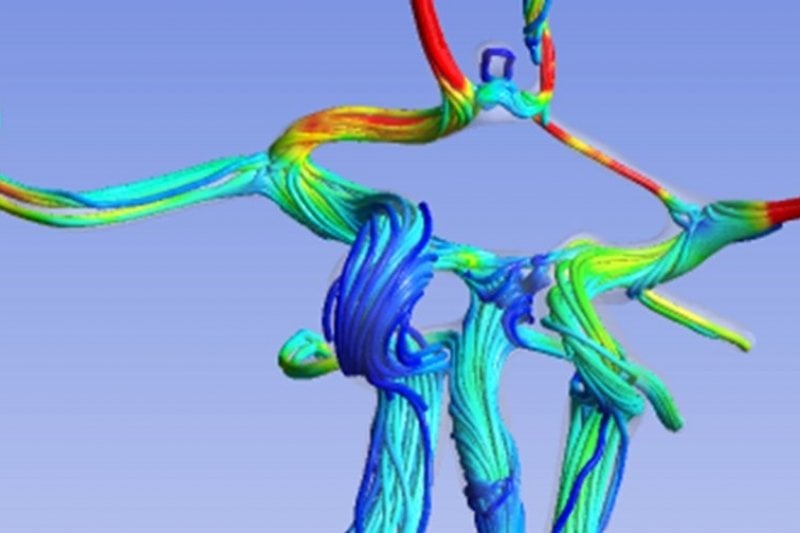

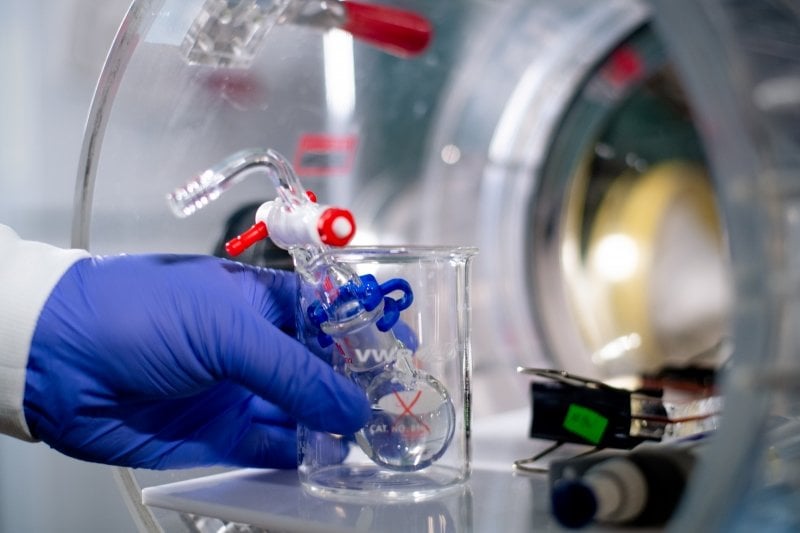

Real Engineering. Meaningful Work.
Michigan Tech’s College of Engineering is committed to inspiring students, advancing knowledge, and innovating technological solutions to create a sustainable, just, and prosperous world. With an entering engineering class of about 1,000 students, 15+ degrees to choose from, and 160+ engineering faculty alone, our students take part in a world-class education with the trusted reputation of Michigan Tech.
Collaborate and innovate as part of Michigan Tech’s discovery-based learning environment.
Explore the endless possibilities of your engineering education in Engineering Fundamentals. Work closely with world-renowned faculty as a research assistant or develop real solutions with industry partners on an Enterprise team or Senior Design capstone project.
Join the pack and find the support you need. Map your academic career with the help
of an academic advisor. Transition to University life with the support of the Waino Wahtera Center for Student Success or receive academic support in any of the Learning Centers across campus.
Study abroad, with engineering opportunities ranging from a few weeks to a full year. Focus on
problems facing disadvantaged communities in countries around the world. Michigan
Tech’s Global and Community Engagement program offers a range of options.
A degree in engineering from Michigan Tech can take you anywhere. After graduating,
95 percent of our alumni find successful employment within six months. Tech engineers
work at NASA, Whirlpool, General Motors, Dow, Lockheed Martin, and other noteworthy
organizations around the globe. With multiple annual Career Fairs and one-on-one advising
from Career Services, you can find an internship, co-op, or full-time job where your engineering expertise
can make a difference.
Tomorrow Needs Every Engineer
Michigan Tech engineers are at the forefront of change. Using creative ideas and technologies to solve problems in healthcare, energy, transportation, space exploration, climate change, and beyond, Tech engineers are prepared to help people and their communities adapt toward an equitable future. Become an engineer who is ready for what tomorrow needs.